
Whether you’re exploring coral reefs or sourcing professional diving gear for your brand, understanding what fins are best for scuba diving makes all the difference. The right pair affects how smoothly you move, how much energy you save, and how confidently you explore underwater. This guide breaks down what defines quality scuba fins and how to choose the best for every diving need.
What Defines a Good Pair of Scuba Fins

A good pair of scuba fins delivers steady power and control with every kick. Unlike regular سباحة أو زعانف الغطس, scuba fins are engineered to handle depth, gear weight, and long dives without losing efficiency. Understanding what defines a high-performing pair helps you choose fins that truly support your underwater goals.
جودة المواد
Material choice affects durability, buoyancy, and how the fin responds under load. Dense rubber and high-grade polymers resist abrasion from wrecks and rocks and keep their shape under repeated stress. Lighter thermoplastic blends make sense for warm water or travel but may soften with heavy use. Composite constructions aim to combine long life with consistent flex. When you inspect a fin, press and bend the blade to check how it stores and releases energy.
Blade Design and Efficiency
Blade shape and stiffness determine thrust and control for scuba tasks. A well-tuned blade converts a controlled kick into forward motion while keeping kicks short and efficient. Stiffer blades help you hold position in currents and when carrying stage bottles or cameras. Softer blades reduce calf fatigue on long training days and in calm reefs. Look for blades that channel water cleanly and return energy smoothly to keep air consumption steady.
Fit and Adjustability
Fit matters more for scuba than for casual snorkeling. Your fin should stay secure under load and while changing trim. Open-heel models with adjustable straps pair with dive boots for cold water and rugged entry points. Full-foot fins suit warm water and reduce kit bulk when boots are not needed. Ergonomic foot pockets that support the arch and heel cut down on pressure points and let you kick longer without pain.
Balancing Cost and Performance
Price should match the intended scuba use rather than signal quality alone. Basic injection-molded fins serve rental fleets and entry training well. Mid-range composite fins give reliable thrust for frequent recreational dives. Premium fiberglass or carbon reinforced fins target professional and technical divers who rely on consistent response under load. Choose the category that fits your dive profile to get a fin that delivers value every time you enter the water.
Best Scuba Diving Fins for Beginners
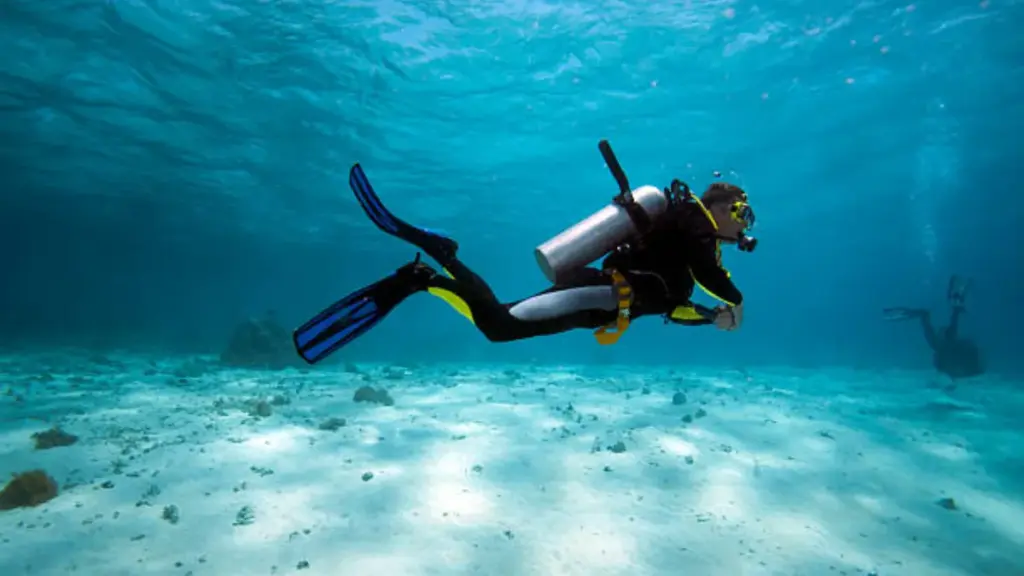
Now that you know what makes a quality pair of scuba fins from a product perspective, it’s time to explore how these features translate to real-world diving. Let‘s start with the most beginner-friendly options.
Full-Foot Scuba Diving Fins
Full-foot fins are ideal for beginners training in warm waters or swimming pools. They slip on easily and fit snugly over your feet without the need for booties. This design keeps your setup simple and light, helping you move naturally through the water.
Why they’re great for beginners:
- Lightweight structure makes kicking effortless and reduces leg strain.
- Smooth, closed-heel fit improves control and stability for early skill practice.
- Ideal for tropical conditions or confined-water training sessions.
Because full-foot fins are compact and comfortable, they allow you to focus on mastering proper finning technique instead of worrying about equipment adjustments. Many dive schools use them for their open-water certification courses for this exact reason.
Soft Blade Scuba Diving Fins
Soft blade fins are known for their flexible design and forgiving performance. The softer material bends smoothly with each kick, offering a gentle yet steady thrust that minimizes fatigue.
الفوائد الرئيسية:
- Flexible blades reduce resistance, allowing you to sustain longer practice sessions.
- Excellent for building rhythm and consistency during early dives.
- Suitable for divers with smaller builds or limited leg strength.
In real diving scenarios, this type of fin feels smooth and predictable. Then, a major confidence boost when you’re still refining your buoyancy control. Many entry-level models also feature vented channels that improve water flow, making propulsion more efficient without demanding extra effort.
Channel Scuba Diving Fins
Channel fins are a smart choice for beginners who want more power without sacrificing comfort. Their signature groove design channels water along the fin surface, boosting propulsion while keeping the kick motion natural and fluid.
Why divers like them:
- Channel design increases thrust efficiency with less leg effort.
- Reduces turbulence and drag, helping you maintain smoother movement.
- Gives a stable feel even when changing direction or adjusting depth.
Divers often describe the feeling as “gliding instead of pushing”. It’s a result of the hydrodynamic flow that supports your kick rather than fighting against it.
Top Scuba Diving Fins for Professional Divers
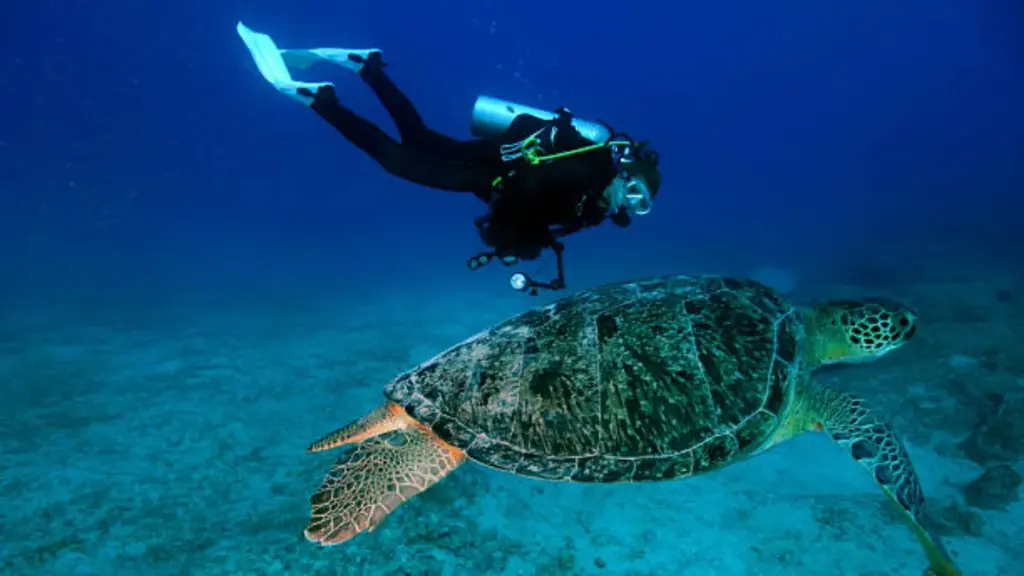
If you’re an experienced or professional diver, it’s essential to match your skill with the right fins. Let’s take a closer look at the top scuba fins designed to enhance control, efficiency, and performance in demanding dives.
Open-Heel Scuba Diving Fins
Open-heel fins are the go-to choice for experienced divers who dive in cold or variable conditions. Designed to pair with neoprene or drysuit boots, they offer superior foot protection against rough seabeds, coral, and metal wreck surfaces.
Professional advantages:
- Adjustable straps ensure a secure fit, even during long or deep dives.
- Ideal for technical, cold-water, or wreck diving where gear precision matters.
- Heavy-duty materials add durability and stability, especially under load.
The solid structure gives a reassuring sense of control when you’re maneuvering with extra gear like stage cylinders or camera rigs. Their added weight also helps offset drysuit buoyancy, keeping you trim and stable at depth.
Stiff Paddle Scuba Diving Fins
Hard-blade fins are built for divers who value strong propulsion and efficient maneuvering. The stiffer blades require more leg power, but they deliver unmatched response and thrust—perfect for handling strong currents or executing advanced techniques such as the frog kick and back kick.
Why experts prefer them:
- High stiffness translates energy directly into propulsion.
- Excellent for technical training and deep or drift dives.
- Reinforced edges and robust materials resist bending under pressure.
In practice, stiff paddle fins let you “feel” the water with every movement, offering precise micro-adjustments that seasoned divers rely on in complex environments.
Technical Channel Scuba Diving Fins
Technical channel fins combine power with fluidity, making them one of the most versatile options for advanced diving. Their hydrodynamic grooves guide water flow along the blade, increasing thrust while maintaining control.
Key strengths:
- Efficient energy transfer reduces unnecessary leg fatigue.
- Stable performance for tight spaces such as caves or wreck interiors.
- Suitable for both open-circuit and rebreather divers who require precise movement.
These fins are favored by instructors and technical divers alike because they maintain reliable propulsion without sudden drag or loss of balance, even when carrying heavy equipment or working at depth.
Split Scuba Diving Fins
Split fins are engineered for divers who prioritize endurance and smooth, sustained movement. Their twin-blade design channels water efficiently through the center split, creating a natural flow that minimizes resistance.
Performance highlights:
- Reduced leg strain, making them ideal for multiple-dive days.
- Efficient flutter kicks conserve energy over long distances.
- Best for divers with strong buoyancy control and refined technique.
Although split fins don’t deliver the same power as stiff paddles, they excel in maintaining steady speed with minimal fatigue. That’s a major advantage during long, relaxed dives or when covering wide reef systems.
Best Scuba Fins for Travel and Warm-Water Diving
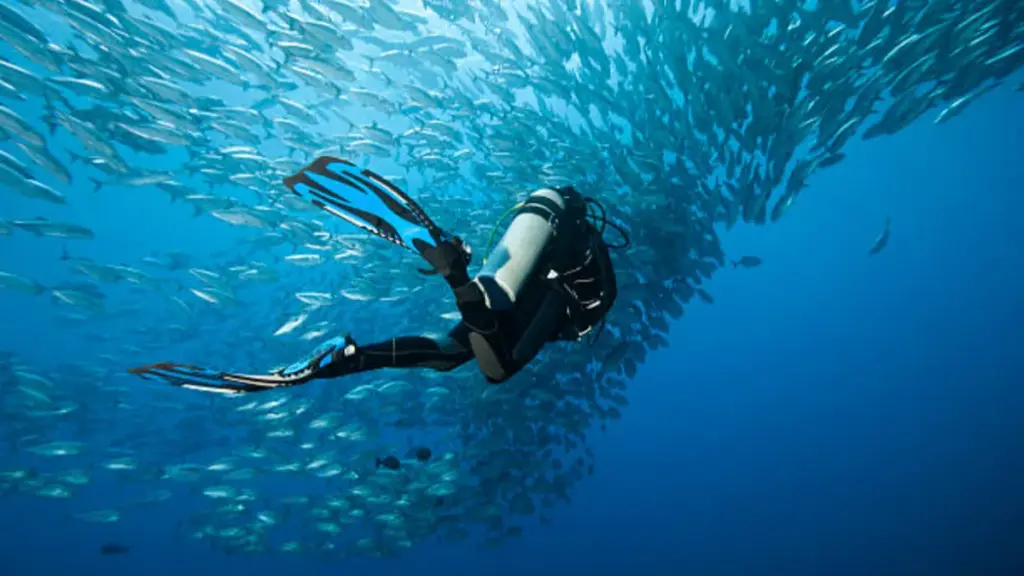
If you often dive in tropical waters or travel frequently with your gear, lightweight and compact fins become essential. Let’s explore the top scuba fins that combine portability, comfort, and reliable propulsion for warm-water and travel-friendly diving.
Travel Scuba Fins
Travel fins are purpose-built for portability. They feature shorter blades and are often made from thermoplastic elastomers (TPE) or polypropylene, reducing both size and weight.
Why they work well:
- Compact length makes them easy to fit into standard luggage or carry-on dive bags.
- Ideal for tropical dive sites, liveaboards, or quick resort trips.
- Provide balanced propulsion for calm to moderate currents.
Although they produce slightly less thrust than long fins, their shorter blades still deliver efficient propulsion for relaxed dives in warm, clear waters, where strong currents are uncommon.
Full-Foot Scuba Fins
زعانف كاملة القدم are a favorite among warm-water divers because they eliminate the need for heavy dive boots. They fit snugly over bare feet or thin socks, providing a smooth connection between fin and diver for maximum control.
Professional benefits:
- Lightweight and compact, perfect for shore dives or tropical reefs.
- Soft rubber foot pockets reduce pressure and improve comfort on long dives.
- Streamlined design minimizes drag, enhancing efficiency underwater.
These fins are particularly practical for beach entries or boat dives in destinations like Thailand, the Maldives, or the Caribbean, where water temperatures stay above 25°C, making thick boots or insulation unnecessary. In such conditions, flexibility and comfort become your main priorities.
Flexible Split Scuba Fins
Split fins are a smart choice for divers who plan multiple dives per day. Their split-blade structure channels water efficiently, reducing resistance with each kick and easing leg strain.
Key performance traits:
- Lower effort per kick, ideal for relaxed diving sessions.
- Compact versions offer great propulsion for travel or training use.
- Help maintain consistent speed and buoyancy control with less fatigue.
They help maintain consistent kicking rhythm and reduce fatigue, ensuring fluid movement even during extended dive trips.
Compact Paddle Scuba Fins
Compact paddle fins combine the thrust of traditional paddle fins with the convenience of a shorter design. Refined blade angles and reinforced edges help maintain strong water flow.
Core strengths:
- Reliable propulsion for reef, drift, or shallow wreck dives.
- Balanced stiffness supports both flutter and frog kicks.
- Easy to pack and transport while maintaining durability.
This type is ideal if you want versatile fins that perform well across different warm-water conditions while keeping your travel gear light and compact.
الأفكار النهائية
Throughout this guide, we’ve explored what defines a good pair of scuba fins and how different divers can find fins that truly match their skill and environment. A well-designed pair doesn’t just move you forward; it supports your rhythm, control, and confidence in the water.
في سباحة الطليعة, we take pride in crafting fins that balance power, comfort, and durability. With years of one-stop manufacturing experience and a deep understanding of diving gear performance, we provide high-quality, customizable solutions trusted by brands and professionals worldwide.
اتصل بنا اليوم to learn more or discuss your next product line.
الأسئلة الشائعة
1. What is the difference between snorkel fins and scuba fins?
Snorkel fins are usually shorter, lightweight, and designed for surface swimming. Scuba fins are longer and stiffer, providing more thrust and control for underwater dives and carrying gear. This makes them essential for efficiency and safety during scuba sessions.
2. What are the main types of diving fins?
The main types include full-foot, open-heel, paddle, vented, and hybrid fins. Each offers different thrust, flexibility, and efficiency. Choose based on dive conditions, water temperature, and your preferred kick style for optimal performance.
3. How do I choose the right scuba fins for my diving style?
Consider your dive environment, water temperature, and preferred kick style. Warm-water divers often prefer full-foot fins, while technical divers benefit from open-heel or stiff-blade designs for strong currents. Comfort and fit are also critical to avoid fatigue during long dives.
4. What materials are best for scuba fins?
Rubber provides strong thrust and durability, ideal for cold or deep-water dives. Thermoplastic and polypropylene are lighter, perfect for tropical or travel diving. Composite and hybrid materials balance flexibility and strength for consistent performance in varied conditions.
5. How do scuba fin blade types impact energy use underwater?
Different blade designs affect how much effort you expend per kick. Split or vented fins reduce resistance, conserving energy for longer dives, while stiff paddle fins deliver stronger thrust but require more leg power. Matching blade type to your dive conditions helps you stay efficient and comfortable.


 Arabic
  English
  French
  German
  Hindi
Hindi  Italian
  Japanese
  Korean
  Portuguese
  Russian
  Spanish