
Scrolling through endless pages of diving fins online, it’s easy to feel overwhelmed. Each pair promises smoother kicks, stronger thrust, and effortless movement underwater, but choosing the wrong one can lead to cramping, fatigue, and ruined dives.
As a dive enthusiast, I know that the right fin for cold-water wreck diving is useless for a casual snorkeling trip. In this guide, we will break down the primary diving fin types and give you a simple framework to match your fins to your environment, strength, and diving goals.
Ready to stop guessing and start kicking efficiently? Let’s dive in.
The Ultimate Comparison of Diving Fins Types
Before the detailed breakdown, use this quick-reference table to match your needs to the best fin type.
| Fin Type | Ideal Scenario | Kick Style | Thrust Power | Warm/Cold Water | Footwear Required |
| Full Foot | Warm water, Snorkeling, Travel | Flutter | Moderate | Warm | Barefoot/Thin Sock |
| Open Heel | Cold water, Currents, Technical | Frog / Powerful Flutter | High | Cold/All | Dive Boots |
| Aletas divididas | Long recreational dives, Energy conservation | Scissor/Split | Smooth/Moderate | Warm/Moderate | Barefoot, Thin Sock, or Boots |
| Aletas de remo | All-purpose, Strong currents, Training | Powerful Flutter | Very High | All | Varies (Barefoot or Boots) |
| Vented Fins | Underwater photography, Precise control | Modified Flutter | High (Focused) | All | Varies (Barefoot or Boots) |
| Hybrid Fins | Extended recreational or technical dives | Balanced | High (Efficient) | All | Varies (Barefoot or Boots) |
Detailed Breakdown of Diving Fin Types
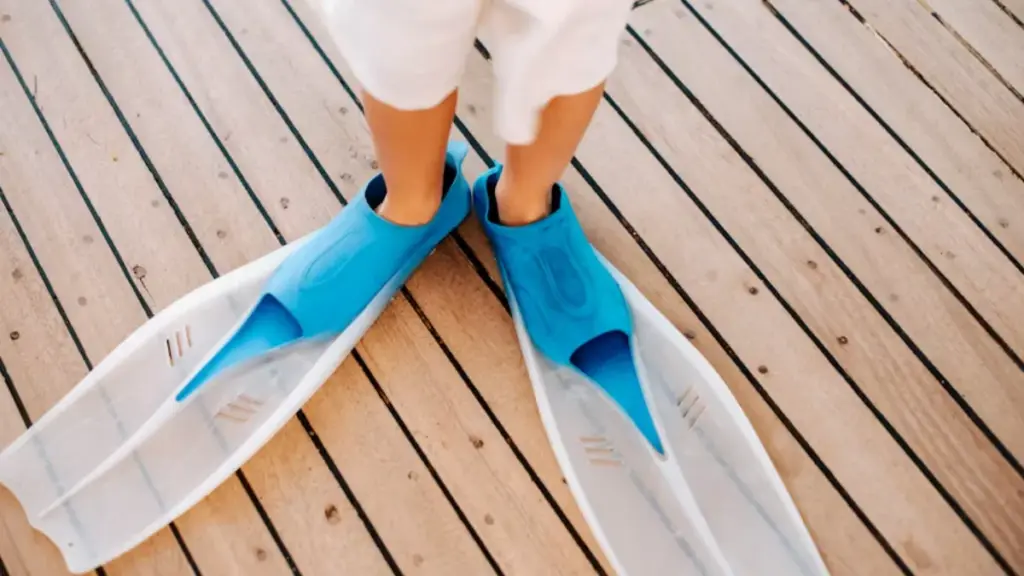
Aletas de pie completo
Full foot fins are worn like a slipper, fitting snugly over your bare foot, and are prized for their lightness and comfort in warm water environments. They feature a closed foot pocket and are not designed to be worn with boots. You will find they reduce leg fatigue on longer swims and are ideal for tropical diving, where maximum power is not essential.
Ventajas: Lightweight, comfortable for extended dives, easy to transport/store.
Contras: Less effective in cold water, limited foot protection on rocky surfaces.
Suitable scenarios: Warm water diving, snorkeling trips, shallow reef exploration.
Vanguard Recommendation: For seamless travel and maximum comfort, explore our full foot pocket fins. Our designs prioritize compact size and comfort, perfect for your next tropical adventure.
Aletas de talón abierto
Open heel fins have an adjustable strap that allows you to snug your foot into the foot pocket securely over protective diving boots. Divers in cold water or areas with strong currents choose these because the adjustable strap and robust design accommodate the stiffer, longer blades needed for efficient propulsion when carrying heavy equipment. This setup is the industry standard for technical and professional diving.
Ventajas: Compatible with neoprene boots, offers maximum power and support, and adjustable fit.
Contras: Bulkier and heavier than full foot fins, requires separate boots.
Suitable scenarios: Cold water diving, wreck/cave diving, technical and professional diving.
Vanguard Recommendation: Our adjustable snorkel fins provide the strap system and flexibility needed to wear with thin boots, enhancing foot protection and power for dynamic snorkeling or warmer water diving.
Aletas de remo
Paddle fins feature a solid, flat blade that acts like a solid shovel, delivering the most direct and strongest thrust with each kick. They are the most common and versatile fin designs. While they demand more leg strength, they provide excellent feedback and control, making them a favorite for training, general recreation, and navigating currents.
Ventajas: Delivers powerful, direct thrust; durable and easy to maintain; suitable for various conditions.
Contras: Requires more leg strength, can cause faster fatigue on long dives.
Suitable scenarios: All-purpose diving, current-heavy environments, training, and professional dives.
Aletas divididas
Split fins are characterized by a central cut or split that runs down the middle of the blade, which channels water and creates lift, reducing drag. This patented design minimizes effort and reduces leg fatigue, allowing divers to move further with a gentler kick. They are ideal for long, effortless dives but may not provide the raw power needed for rescue or strong current maneuvers.
Ventajas: Reduces leg fatigue and cramping, highly efficient in flat or calm water, smooth propulsion.
Contras: Less effective/precise in strong currents, requires a specific kick style (flutter).
Suitable scenarios: Long recreational dives, calm open water, energy-conscious diving.
Vanguard Recommendation: If energy conservation is your priority during snorkeling, our specialized split fins offer maximum water channeling for smooth, fatigue-free kicks.
Vented Fins
Vented fins incorporate strategic openings or slots near the foot pocket or along the blade, which are designed to reduce drag on the recovery stroke and efficiently channel water on the power stroke. This feature is intended to improve stability and conserve a diver’s energy over long periods. Divers needing precise control, such as underwater photographers or marine surveyors, favor vented fins as they help maintain a steady position with minimal effort.
Ventajas: Reduces drag, improves stability, excellent for long, controlled dives.
Contras: Can be slightly heavier; efficiency depends heavily on the specific vent design.
Suitable scenarios: Underwater photography, scientific surveying, energy-efficient recreational dives.
Hybrid Fins
Hybrid fins blend features from both paddle and split fin designs, aiming to deliver a balance of raw power and energy-saving efficiency. They often use advanced materials and specialized geometry to maximize thrust while minimizing effort. This versatility makes them a popular “do-it-all” choice for divers who encounter mixed environments, ranging from moderate currents to long, flat-water swims.
Suitable scenarios: Extended recreational or technical dives, mixed current conditions, general versatility.
Ventajas: Versatile, provides a high power-to-effort ratio, comfortable for extended use.
Contras: Generally more expensive, performance may not specialize in one area (e.g., they may not offer the absolute raw power of a paddle fin).
How to Match Fins to Your Needs
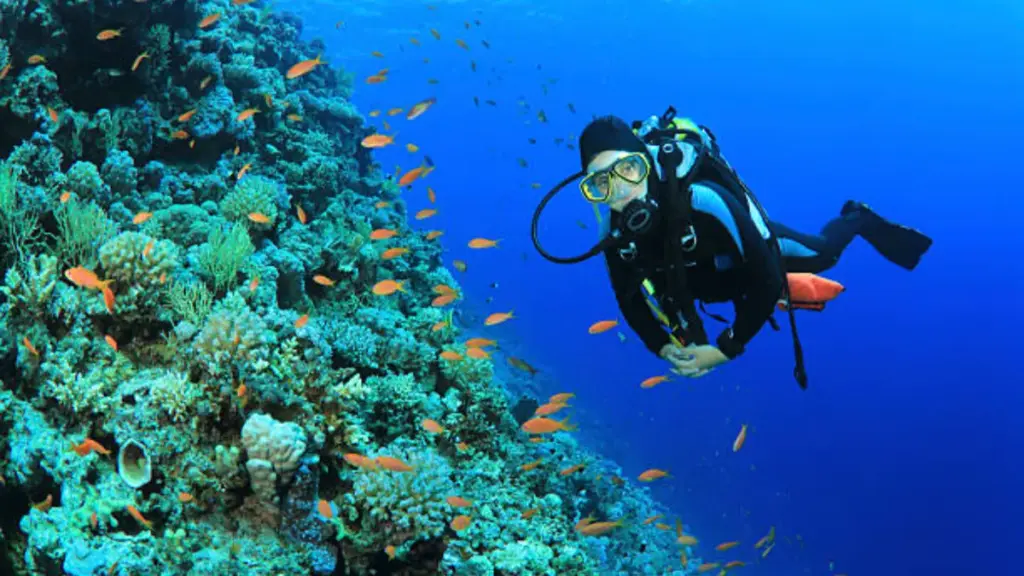
There is no one-size-fits-all option. Understanding these three key factors will help you choose fins that truly enhance your performance.
1. Consider the Diving Environment
- Warm, Calm Water (Tropical Snorkeling/Shallow): Focus on lightweight and compact designs, such as Vanguard’s lightweight or compact snorkel fins.
- Deep or Vertical Travel (Freediving): Long freediving fins are non-negotiable for the required efficiency. Consider our carbon fiber freediving fins for peak performance.
2. Match Your Kicking Style and Strength
- Strong, Experienced Kicker: You can handle stiffer blades, like those found in our high-power freediving plastic fins.
- Conservationist/Easy Kicker: You will benefit most from flexibility and reduced effort, choosing models like our split fins.
3. Blade Length and Stiffness
Blade length and stiffness directly impact the efficiency and power of your kick, or how much forward movement you get for the amount of leg effort you put in.
- Longer blades and stiffer materials maximize the amount of water pushed, generating high power, but they demand stronger muscles and can lead to faster fatigue.
- Shorter blades and flexible materials are easier on the legs, minimizing strain, but they generate less raw thrust.
| Característica | Impact (Thrust vs. Effort) | Mejor para |
| Longer Blades | High Thrust, Higher Effort (More water displacement → more power per kick). | Deep freediving, strong currents. |
| Shorter/Compact Blades | Lower Thrust, Lower Effort (Less power but quicker movements → more control). | Snorkeling, travel, and beginners. |
| Stiff Blades (e.g., Carbon Fiber) | Maximum Thrust, Maximum Effort (High resistance, high power, but requires maximum strength). | Experienced freedivers, professionals. |
| Flexible Blades (e.g., Plastic) | Lower Thrust, Lower Strain (Less resistance, lower strain, but reduced thrust). | Beginners, casual diving, training. |
Dive Safer, Dive Smarter
The right fins are your engine underwater; they improve efficiency, reduce fatigue, and give you precise control. By understanding the differences between fin types and honestly assessing your environment and physical strength, you can make an informed decision that will elevate every dive.
En Natación de vanguardia, we engineer all our fin categories and offer professional-grade fins that combine performance and reliability, ensuring every underwater adventure is safe, controlled, and comfortable.
Ready to secure the perfect equipment for your specific underwater goals?
👉Contáctanos hoy and find the perfect fins that will support your most unforgettable underwater adventures.

 Spanish
  English
  Arabic
  French
  German
  Hindi
Hindi  Italian
  Japanese
  Korean
  Portuguese
  Russian