
Freediving mask vs scuba mask? It all boils down to visibility and depth. Freediving masks prioritize clear sight and comfort for deeper dives, while scuba masks offer more versatility for exploring at various depths.
The critical difference between freediving masks and scuba masks is the internal air volume, which directly relates to the different air needs of each sport. Freediving masks are designed with minimal volume to conserve precious lung air. In contrast, scuba masks feature a larger volume during extended dives with an external air supply.
В этом блоге подробно рассматриваются их основные различия, чтобы помочь вам выбрать идеального компаньона для подводного плавания, обеспечивающего максимальную видимость, комфорт и незабываемые впечатления от погружения.
What is the Difference Between a Freediving Mask and a Scuba Mask?
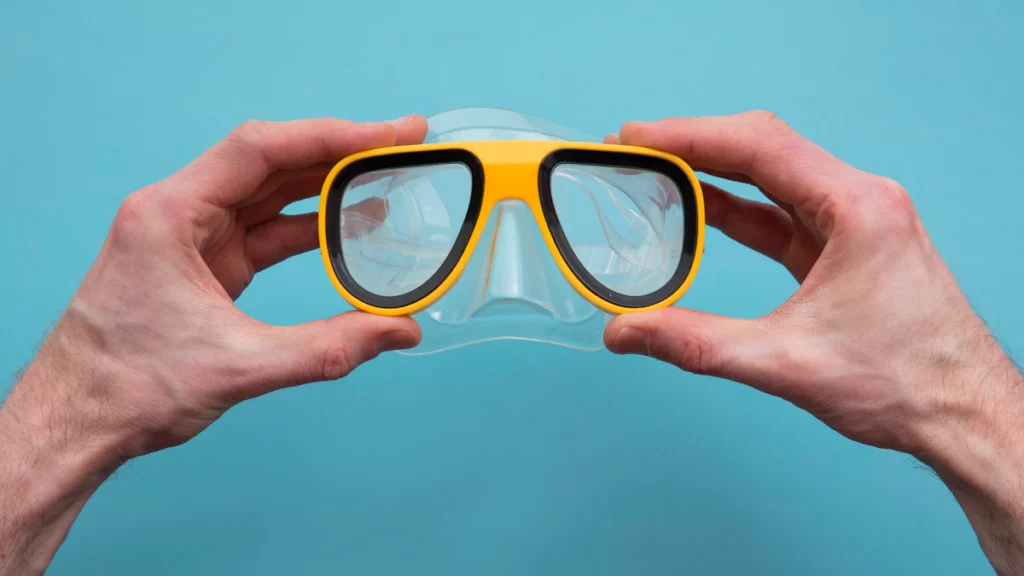
Understanding the ultimate distinction between a маска для фридайвинга vs scuba mask hinges on one critical factor: the internal air volume. Freedivers must conserve every cubic centimeter of air, while scuba divers have an external supply. This fundamental difference dictates the entire design philosophy of the gear.
Here’s a snapshot of the primary differences between the two mask types:
| Особенность | Маска для фридайвинга | Scuba Mask |
| Internal Volume (Core) | Low-volume. Lens sits close to the face, minimizing air space. | High-volume. Lens sits farther from the face, maximizing air space. |
| Primary Goal | Conserve air and reduce drag for deep breath-holding performance. | Maximize the field of view and comfort for extended bottom time. |
| Prescription Lens Comp | Difficult or limited, often single-lens design. | Very common; easy to fit custom prescription lenses (dual-lens). |
| Visibility Focus | Fantastic forward view; narrower peripheral sight. | Broad, panoramic view; often includes side windows. |
| Equalization Air Demand | Highly efficient; demands the absolute least amount of air from the lungs. | Ample airspace; demands a higher quantity of air from the tank. |
| Comfort/Fit Design | Soft skirt designed to compress naturally against the face at depth. | Spacious design for comfortable, prolonged wear over long dives. |
Различия в дизайне
Размер и объем
This is the single most critical distinction. Freediving masks are explicitly engineered with a low profile to hug the face. This minimal internal space is essential because, as you descend, the pressure squeezes the air space. By reducing that volume, you decrease the amount of precious air required for equalization. Conserving air is paramount for breath-hold diving efficiency.
В отличие, scuba masks inherently possess a larger internal volume. This increased airspace isn’t a flaw; it’s a design choice that provides a wide, comfortable view and ample room for easy, repeated equalization throughout an hour-long dive, leveraging the compressed air supply.
Видимость
While both masks give you a view, they achieve it differently. Freediving masks often feature wide, single or dual lenses that provide a fantastic forward view, ideal for tracking a dive line or a fish for spearfishing. The lens is close to the eye, maximizing the feeling of closeness to the environment, though you may find your peripheral vision is slightly narrower.
Scuba masks are designed to offer the broadest range of view possible, often including side windows or tear-drop shapes. This larger design prioritizes an expansive, wide-angle view to prevent the sensation of tunnel vision, allowing you to observe your environment and your dive buddy more effectively during prolonged exploration.
Комфорт и посадка
For freediving masks, comfort is linked to performance. They feature extremely soft silicone skirts designed to compress naturally against the face at depth. The aim is a snug fit that feels like a second skin during rapid descents and ascents.
Scuba masks are generally larger and may feel heavier, but their spacious design prioritizes comfortable, prolonged wear. The larger surface area of the skirt seals against the face comfortably over extended periods, accommodating diverse face shapes for long dives without feeling constricted.
Functional Differences
Equalization and Efficiency
Freediving masks excel in equalization efficiency. Their low internal volume means you use minimal energy and minimal air to prevent mask squeeze during your descent. This minimized energy expenditure allows you to maintain focus on your breath-hold and technique.
Scuba masks provide ample airspace for equalization over extended periods, which is perfect for divers exploring varied depths over a long time. The trade-off is that they demand a higher quantity of air from your lungs (or tank) to perform that equalization.
Oxygen Consumption (Air Demand)
For the freediver, this is life or death. Freediving masks are crafted to optimize oxygen consumption rates by demanding the absolute least amount of air for equalization. This directly enhances overall diving efficiency and safety on a single breath.
Scuba masks, due to their larger internal volume, demand a higher, non-critical amount of air for equalization. This is fine when you have a regulator supplying air, but it’s why using a scuba mask for deep breath-hold diving is unsustainable.
Универсальность
Freediving masks are highly specialized; they are tailored primarily for breath-hold activities like freediving and spearfishing. While they work fine for snorkeling, their limited versatility outside of deep breath-hold scenarios is their only functional drawback.
Scuba masks are the jack-of-all-trades. They are suitable for scuba diving, подводное плавание с маской и трубкой, and beginner-level recreational freediving, offering the user great flexibility in their underwater pursuits.
Why Do Freedivers Need Low-Volume Masks for Deep Dives?
A low-volume freediving mask is the gold standard for anyone serious about depth, and here is the rigorous logic behind its design:
As a diver descends, the pressure of the water on the mask increases, shrinking the volume of air inside (this is known as mask squeeze). To avoid this painful squeeze, you must exhale air from your lungs into the mask to equalize the pressure.
The ‘Why’ for Low Volume: Since freedivers rely solely on the single breath they take on the surface, every bit of air conserved is crucial. By designing a mask that brings the lens as close to the eyes as possible, the mask’s internal volume is dramatically reduced. This means you need to exhale far less precious air from your lungs to equalize the pressure during your descent, saving that air for extending your bottom time and ensuring a safe return to the surface.
This thin, compact, and often frameless design also helps reduce drag, making the diver more hydrodynamic and efficient as they glide through the water.
Freediving Mask Design: Pros and Cons
| Особенность | Плюсы | Минусы |
| Volume | Requires minimal air for equalization, conserving oxygen for deeper dives. | Less space for water. If a leak occurs, the water goes directly into your eyes and is harder to clear. |
| Profile | Sleek, tight fit minimizes drag and hydrodynamics, aiding performance. | Narrower field of view, which can sometimes feel like “tunnel vision” compared to scuba masks. |
| Соответствовать | Often features a very soft skirt designed to compress and seal perfectly against the face at depth. | Due to the specialized low-profile design, they are less common and can be harder to find a perfect fit for unusual face shapes. |
Scuba Mask Design: Why Do They Need Higher Volume and Wider Lenses?
The primary purpose of a scuba mask is to provide an uninterrupted, high-definition view of the surroundings for 30 to 60 minutes or more.
Here is how a scuba mask works and why its design differs:
- Focus on Field of View: Unlike freedivers, scuba divers have a constant supply of air from their tank. Therefore, conserving a little air for equalization is not a major concern. Scuba masks prioritize visibility, using wider, often side-windowed, or single-pane lenses to offer a massive field of view that prevents a feeling of claustrophobia.
- Comfort and Clearing: The slightly higher internal volume allows the diver to easily clear the mask if it floods (a fundamental scuba skill). If a small amount of water leaks in, the space holds the water away from the eyes, making the dive less irritating.
- Hydrodynamics are Secondary: While modern scuba masks are becoming lower volume, the primary goal remains visibility and comfort over speed and low drag, as the diver is moving slowly and horizontally.
Scuba Mask: Pros and Cons
| Особенность | Плюсы | Минусы |
| Volume | Larger volume provides a wide, open view and prevents tunnel vision. | Requires more air to equalize pressure during descent, making it inefficient for breath-hold diving. |
| Lenses | Wider lenses and frame designs allow for prescription lenses or multi-view windows. | Larger profile creates more drag in the water, which is inefficient for dynamic movements like freediving or spearfishing. |
| Комфорт | The spacious design allows for comfortable, prolonged wear during long, multi-hour dives. | If used for deep freediving (beyond 25 meters), the large air space demands too much air from the lungs to equalize, potentially limiting depth. |
Can You Use a Freediving Mask for Scuba Diving?
Yes, you can use a freediving mask for scuba diving, and many experienced divers do so because they prefer the low profile and comfortable fit. However, there are two key drawbacks you must be aware of:
- Reduced Visibility: The smaller, narrower lenses of a freediving mask mean your peripheral (side) vision is significantly reduced. This is a potential safety issue, as you need maximum situational awareness to monitor your buddy, check your console, and observe your surroundings without constantly moving your head.
- Buddy Safety (Mirrored Lenses): A common trend is mirrored lenses on freediving masks, which look cool but are a serious safety concern for scuba diving. Your dive buddy or divemaster needs to be able to see your eyes clearly to quickly read your emotional state—checking for signs of panic, stress, or narcosis. Mirrored or heavily tinted lenses hide your eyes completely, which compromises safety underwater. For scuba, always choose clear lenses.
Can You Use a Scuba Mask for Freediving?
For beginners, absolutely! If you are just starting out with recreational breath-hold diving in shallow water (under 8–10 meters), you can use your scuba mask without any problems.
However, you should consider upgrading to a dedicated low-volume mask once you reach depths around 20 to 25 meters (65 to 85 feet). At these greater depths, you will notice that the increased air volume of the scuba mask demands too much of your limited lung air to equalize. Switching to a true low-volume freediving mask at this point is essential to save air, dive deeper comfortably, and extend your time underwater.
How to Select the Right Mask for Your Underwater Adventure
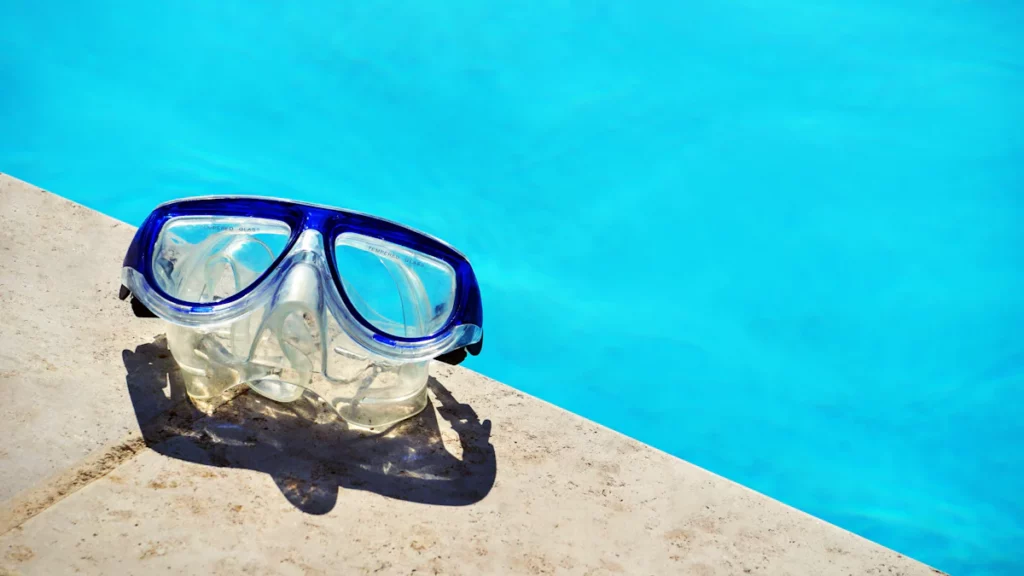
Now that we’ve broken down the technical differences between the freediving mask vs scuba mask, the big question is: which one is right for you? Your choice should align perfectly with your primary diving style.
Step 1: Matching the Mask to Your Mission
| Your Mission | Your Ideal Mask | Expert Recommendation |
| Deep Freediving / Spearfishing | Low-Volume Freediving Mask | Opt for the sleekest fit that requires minimal equalization air. Brands like Vanguard offer excellent low-volume options worth trying out. |
| Scuba Diving / Extended Exploration | High-Volume Scuba Mask | Prioritize the widest field of view and comfort. Personal preference and your unique face shape play huge roles here. You need a mask that stays comfortable for the entire dive. |
Remember, your face is unique! Never buy a mask without trying it first, even if it’s the most recommended model on the market.
Step 2: The Critical Test Ensuring the Perfect Seal
The single most important practical tip we can give you is to test the fit. A perfect seal is non-negotiable for comfort and safety. A well-fitted mask creates a secure seal without feeling too tight or loose, and it definitely shouldn’t leak.
The “Sniff Test“: Before finalizing your decision, place the mask over your eyes and nose without putting the strap around your head. Gently inhale through your nose. If the mask creates a vacuum and stays firmly suctioned to your face without any air leaking in, it’s likely a fantastic fit for you.
Step 3: Practical Maintenance for Peak Performance
As experts, we know that proper maintenance is the secret to getting years of use out of your gear. Here are two quick, essential tips to prolong your mask’s lifespan and ensure optimal performance:
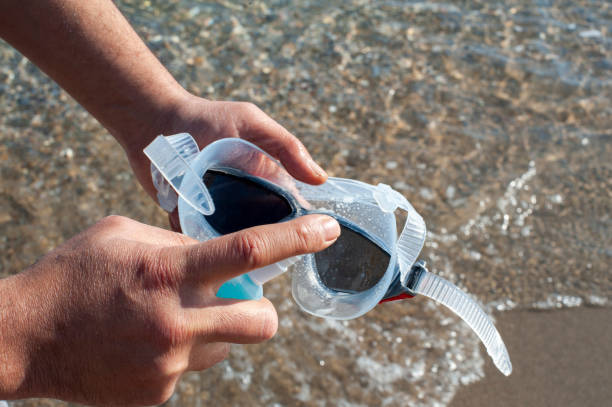
- Rinsing: After every single dive, rinse your mask thoroughly with fresh water to remove saltwater residue, sand, and chlorine. Salt is corrosive, and removing it is crucial to prevent the silicone skirt from deteriorating.
- Storage: Avoid exposing the mask to direct sunlight for extended periods, as UV rays degrade the silicone over time, causing it to harden and crack. Always store your mask in a cool, dry place, ideally in its protective box or a padded gear bag, far away from sharp objects that could scratch the lens or frame.
By following these simple steps, you ensure your underwater companion remains clear, comfortable, and reliable for all your future adventures.
Заключительные мысли
The final decision about reediving mask vs scuba mask hinges on volume and performance. If you are going deep and holding your breath, you need a sleek, low-volume design to conserve air. If you’re planning long, leisurely scuba explorations, you should choose a high-volume mask for wider peripheral vision and superior comfort. Always remember the sniff test—a perfect seal is the key to an exceptional underwater experience.
В Vangard, we specialize in reliable, expertly crafted плавание and diving equipment. We ensure every mask we produce, from our specialized low-volume freediving masks to our panoramic scuba line, meets the rigorous performance and safety standards you expect underwater. We are committed to giving you the clearest view of the ocean.
Ready to find your perfect Vangard mask and enhance your underwater experience?
Свяжитесь с нами сегодня to see our full range of professional gear and begin your next perfect underwater adventure!
Часто задаваемые вопросы
Why do freedivers use low-volume masks?
Because a low-volume mask takes less air to equalize as you descend. That means you save more of your breath for the dive itself and feel less pressure on your face as you go deeper.
Can you use a freediving mask for scuba diving?
Yes, you can, but it’s not ideal. A freediving mask works underwater, but scuba divers often prefer slightly larger masks for more comfort, easier clearing, and a wider field of view during long dives.
Are swimming goggles a good alternative to a dive mask?
Not really. Goggles don’t cover your nose, so you can’t equalize the pressure as you go deeper. They’re fine for the pool, but you’ll feel painful pressure even a few feet below the surface.
Are freediving masks good for scuba diving?
They work in a pinch, but they’re not the best choice. A freediving mask gives you great streamlining, but for scuba you’ll appreciate the extra space, comfort, and visibility of a regular scuba mask—especially on longer dives.
What’s the difference between a snorkel mask vs scuba mask?
А маска для снорклинга is made for relaxed surface cruising, giving you wide views and easy breathing through a snorkel. A scuba mask is built sturdier so you can handle deeper pressure, get a tighter seal, and equalize safely. So it really depends on how far underwater you plan to go.

 Russian
  English
  Arabic
  French
  German
  Hindi
Hindi  Italian
  Japanese
  Korean
  Portuguese
  Spanish