
Diving into the world of masks? Understanding the difference between a high volume vs low volume dive mask is key to unlocking a smoother, more comfortable dive. Whether you’re exploring shallow reefs or diving deep into the ocean, the right mask can make all the difference. Let’s break down what sets these two designs apart and how each can elevate your underwater experience.
High-Volume vs Low-Volume Dive Masks: Key Differences

Before we dive into definitions, let’s take a quick look at the key differences between high-volume and low-volume dive masks. This comparison will give you a clearer idea of what each type of mask offers and help you decide which one fits your needs best.
Quick Comparison Table
| Особенность | High-Volume Dive Mask | Low-Volume Dive Mask |
| Volume | Larger airspace inside the mask | Smaller airspace, more compact |
| Weight | Heavier, bulkier design | Lighter, more streamlined |
| Комфорт | Can be less comfortable for long dives | Generally more comfortable for extended use |
| Поле зрения | Wider lens area, better visibility | Smaller lens area, slightly reduced visibility |
| Suitability for Depth | Less efficient at depth, harder to equalize | Ideal for deep dives, фридайвинг, and easy equalization |
| Ease of Equalization | Requires more air, harder to equalize | Easier to equalize, less air required |
| Лучшее для | Scuba divers, recreational diving | Freedivers, deep divers, performance-focused divers |
Volume and Airspace
- High-Volume Dive Mask: High-volume masks have a larger airspace inside the mask, which creates more room between your face and the lens. This extra space may make the mask feel bulkier and can be more comfortable for some divers, but it also means more air is required to equalize the pressure as you descend.
- Low-Volume Dive Mask: Low-volume masks have a smaller airspace, reducing the distance between the face and lens. This design makes them more efficient for deeper dives as they require less air to equalize, making them easier to clear and better for conserving air during your dive.
Weight and Streamlining
- High-Volume Dive Mask: These masks tend to be heavier because of their larger size. The added weight can increase drag in the water, making the mask feel bulkier, which can be uncomfortable, especially during longer dives or high-performance activities.
- Low-Volume Dive Mask: Low-volume masks are lighter and more streamlined, which reduces drag while diving. Their compact design helps make them more comfortable for longer or faster dives, as they are less noticeable and less likely to cause fatigue over time.
Поле зрения
- High-Volume Dive Mask: The larger size of high-volume masks typically offers a wider field of vision. With bigger lenses, you get a broader view of your surroundings, which can be particularly beneficial when exploring or observing marine life.
- Low-Volume Dive Mask: While low-volume masks have smaller lenses, the reduced mask size often helps improve hydrodynamics. Although the field of vision might be slightly narrower compared to high-volume masks, many modern low-volume masks are designed to maximize visibility within their more compact design.
Suitability for Depth and Equalization
- High-Volume Dive Mask: High-volume masks can be more difficult to equalize, especially as you descend deeper. The larger airspace requires more air to equalize, and this added effort can lead to discomfort at greater depths. Mask squeeze, where the mask tightens against your face due to pressure, is also more likely with high-volume masks.
- Low-Volume Dive Mask: Low-volume masks are specifically designed for easier equalization. With less air inside the mask, it requires less effort to equalize as you descend. This makes them more comfortable at deeper depths and helps prevent mask squeeze, which is crucial for freedivers and deep divers.
Ease of Clearing and Maintenance
- High-Volume Dive Mask: High-volume masks require more air to clear if water enters the mask, which can make the process more cumbersome, especially during deeper dives or in challenging conditions. The additional volume makes clearing a bit more effortful.
- Low-Volume Dive Mask: Low-volume masks are much easier to clear. With less air inside, you’ll use less effort to expel water, which makes the process quicker and more efficient. This is particularly important for divers who need to clear their mask frequently, such as in freediving or long-duration dives.
What Is a High-Volume Dive Mask?
Now that you have an overview of the differences, let’s dive deeper into what defines a high-volume dive mask. A high-volume mask is designed with a larger internal air space, meaning it holds more air between the lens and the diver’s face. This extra air volume can give the mask a looser, more comfortable fit for some divers, especially those who are just starting out or who prefer less pressure on their face during the dive.
Key Features of High-Volume Dive Masks:
- More internal space: The larger air volume means more air is trapped between the lens and your face, making it more comfortable for some divers.
- Wider lenses for better visibility: Many high-volume masks come with larger lenses, offering a wider field of view.
- Comfortable fit: For those new to diving, the larger internal space often feels more comfortable and less claustrophobic.
- Универсальность: High-volume masks are typically better suited for shallow dives, recreational подводное плавание с маской и трубкой, or casual diving in warm, clear waters.
What Is a Low-Volume Dive Mask?
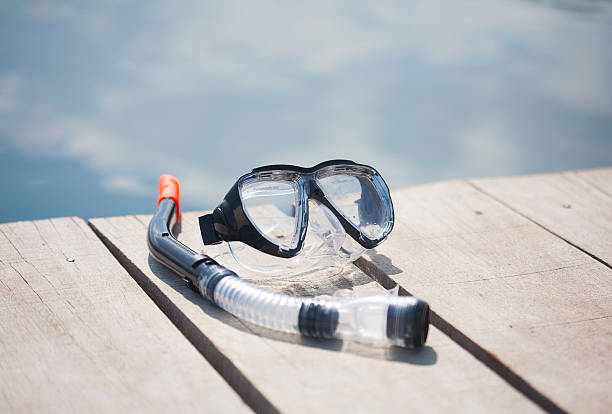
Low-volume dive masks are the opposite of high-volume masks. These masks are designed to hold less air inside, which makes them more streamlined and efficient, particularly for deep dives and technical diving. Low-volume masks are also better for divers who want to minimize their air consumption when clearing water from the mask.
Key Features of Low-Volume Dive Masks:
- Reduced air inside the mask: With less air space, the mask is easier to clear when water enters, which is a huge advantage during deeper dives.
- Closer fit: The design sits closer to your face, reducing the amount of air to equalize at greater depths.
- Ideal for deep dives: Low-volume masks are preferred by divers who go deeper, where every breath and every bit of air counts.
- Compact and lightweight: These masks are smaller and lighter, making them easier to pack and more hydrodynamic when swimming or diving.
The Pros and Cons of High-Volume Dive Masks
Плюсы:
- Comfortable for beginners: If you’re new to diving, the larger air space and relaxed fit can feel more comfortable.
- Wider lenses for better visibility: A big plus for those who want to enjoy the view without feeling cramped.
- Ideal for shallow dives: These masks are perfect for those diving in shallow waters or doing casual snorkeling.
- Versatile use: Whether you’re exploring coral reefs or doing recreational diving, high-volume masks are up for the task.
Минусы:
- Not great for deep dives: The larger volume of air makes it harder to clear the mask quickly, which can be a disadvantage at deeper depths.
- Bulkier design: They can be heavier and bulkier compared to low-volume masks, which some divers find uncomfortable.
- Increased drag: The larger mask creates more drag in the water, which might affect performance for serious divers.
The Pros and Cons of Low-Volume Dive Masks
Плюсы:
- Easier to clear water: With less air inside, you can clear the mask more easily, which is essential for deep dives.
- Better for technical diving: Low-volume masks are designed to handle deep dives and technical diving with ease, making them the mask of choice for experienced divers.
- Compact and lightweight: Less weight means you can dive longer without feeling bogged down by your gear.
- Reduced drag: The close fit and smaller design make these masks more hydrodynamic, which means less drag as you move through the water.
Минусы:
- Smaller field of view: You might not get the expansive view that high-volume masks offer, which can be a dealbreaker for those who prioritize visibility.
- Comfort trade-off: Some divers find the snug fit uncomfortable, especially during long dives. It can take a little getting used to.
- More pressure on your face: The close fit can sometimes lead to more pressure on the face, which might feel uncomfortable for those new to diving.
How to Choose the Right Dive Mask: High-Volume vs Low-Volume

When it comes to choosing between a high-volume and low-volume dive mask, here are some practical tips to help you decide which one is best for your diving needs:
1. What’s your diving depth?
If you’re mostly doing shallow dives or snorkeling, a high-volume mask with a wider field of view may be your best bet. But if you’re heading into deeper waters, a low-volume mask will serve you better due to its efficiency and ability to handle pressure changes.
2. How important is comfort?
If comfort is your priority, especially for beginners, a high-volume mask with more air space and a looser fit can feel more relaxing. However, if you’re an experienced diver looking for performance, a low-volume mask is a better choice, even if it feels tighter on the face.
3. Are you focusing on visibility or performance?
If you want a broad, clear view of your surroundings, high-volume masks with larger lenses will give you a more expansive field of vision. But for deep diving, where performance and efficiency are key, a low-volume mask is the better option despite its smaller lenses.
4. Weight and packing concerns:
If you’re traveling or need a mask that’s compact and easy to pack, low-volume masks are usually lighter and more streamlined, making them more convenient for divers on the go.
Заключительные мысли
When deciding between a high volume vs low volume dive mask, it all comes down to your diving needs and preferences. If you’re after maximum visibility and comfort in shallow waters, a high-volume mask might be your best bet. However, for deeper dives, easier equalization, and better efficiency, a low-volume mask is hard to beat.
В Авангард Плавание, we understand the importance of having the right gear for your dive. Whether you’re a recreational diver or a seasoned pro, our range of high-quality dive masks is designed to suit every adventure.
Ready to dive in? Explore our collection today and find the perfect mask to elevate your underwater experience!
Часто задаваемые вопросы
Can I use a low volume mask for scuba diving?
Yes, you can definitely use a low volume mask for scuba diving! In fact, many divers prefer low-volume masks for scuba because they offer easier equalization and a more comfortable fit at depth. They’re compact, lightweight, and reduce drag, making your dive experience smoother.
Why low volume mask for freediving?
A low volume mask is ideal for freediving because it requires less air to equalize, which is essential when you’re diving deep and need to conserve your breath. Its streamlined design also reduces drag, allowing for better movement in the water and improved comfort during longer dives.
How to choose a reliable low volume freediving mask manufacturer?
Make sure they offer high-quality materials, a range of fit options, and solid customer reviews. A reliable manufacturer, like Vanguard Swimming, should prioritize safety, durability, and comfort to ensure a great freediving experience.
How do I maintain my low volume dive mask?
To maintain your low volume dive mask, rinse it with fresh water after each use and store it in a cool, dry place. Regularly check the straps and the seal to ensure they’re in good condition, and avoid exposing the mask to harsh chemicals that could degrade the materials over time.


 Russian
  English
  Arabic
  French
  German
  Hindi
Hindi  Italian
  Japanese
  Korean
  Portuguese
  Spanish