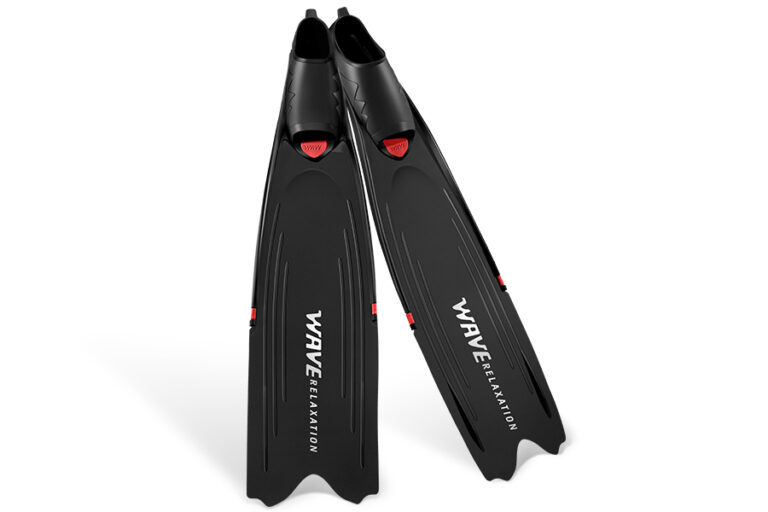
Carbon fiber freediving fins sit at the premium end of the spearfishing and freediving market, and the buyers who source them well tend to share one habit: they evaluate the manufacturer before they evaluate the product. Two blades that look identical on a supplier’s catalog page can behave very differently at depth, and the gap almost always traces back to the factory that laid the carbon, pressed the mold, and ran the final flexibility checks.
This guide is written for importers, pro dive brands, and wholesale program managers preparing to source carbon freediving fins from a Chinese manufacturer. It walks through the questions that separate a dependable fins partner from a risky one — blade material strategy, the OEM customization workflow, factory audit points, MOQ and lead time planning, and the certifications that protect your program when containers reach customs.
Key Takeaways
- Blade material is the biggest cost and performance driver: thermoplastic, fiberglass, and carbon fiber serve different price tiers and diver segments within the same product line.
- A capable freediving fins manufacturer should return DFM (Design for Manufacturing) feedback within 24–48 hours of receiving your concept drawings or reference samples.
- Plan around an MOQ of 300 pcs per color for fins programs, with stock samples in 2–7 days, custom prototypes in 15–30 days, and mass production in 30–60 days.
- Certifications such as ISO 9001:2015, BSCI, CE, FDA, and OEKO-TEX Standard 100 reduce compliance and reputational risk across Western markets.
- Audit the factory’s mold development and QC lab capability, not just its showroom — blade consistency comes from process control.
What Should You Verify Before Shortlisting a Freediving Fins Manufacturer?
The first filter is not product related at all — it is corporate structure. Many “manufacturers” in online directories are trading companies that resell output from several small workshops. That model can work for commodity accessories, but carbon blades punish it: when quality varies between production batches, a trader has no engineers to diagnose the root cause and no mold shop to correct it. Your leverage in a quality dispute depends on working with the people who actually own the production line.
Ask three structural questions early. Does the supplier operate its own factory, or does it broker production? Does it run in-house CNC mold development, or outsource tooling to third parties? And does its product range cover the full fins spectrum — from high-resilience plastic training fins to fiberglass and carbon fiber performance blades? A factory that only makes one material tier has usually never solved the engineering problem that defines carbon fins: balancing the flexibility of a long blade against efficient thrust transfer. Vanguard, for example, develops long-blade fins across both high-resilience plastic and carbon fiber from a single facility, which means the same engineering team tunes the full performance ladder your catalog may eventually need.
Export track record matters as much as structure. A factory with decades of OEM history — Vanguard has served international brands including SPEEDO for extended programs — has already absorbed the painful lessons around packaging integrity, batch traceability, and documentation that importers only discover when something goes wrong. You can read more about how fins specifications translate into wholesale decisions in this guide to choosing diving fins for wholesale orders.
How Do Blade Materials Shape Your Carbon Fins Program?
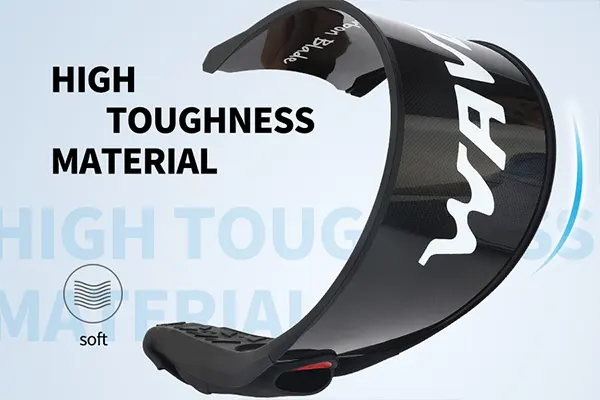
Most sourcing failures in this category start with a mismatch between blade material and the buyer’s actual market. Carbon fiber carries the strongest brand story, but it is not automatically the right blade for every slot in your catalog. A practical product line stacks three material tiers, each aimed at a distinct diver and price point.
| Blade Material | Performance Profile | Best-Fit Buyer Segment | Program Positioning |
|---|---|---|---|
| Thermoplastic (high-resilience) | Durable, forgiving, heavier; consistent thrust for training and recreational use | Dive schools, rental fleets, entry-level retail | Volume tier — builds repeat traffic and absorbs tooling costs |
| Fiberglass composite | Softer snap than carbon, more tolerant of rough handling | Advancing freedivers, spearfishing mid-market | Mid tier — margin balance between price and performance |
| Carbon fiber | Best stiffness-to-weight ratio; fastest blade response and least leg fatigue | Competitive freedivers, professional dive institutions, gear enthusiasts | Halo tier — premium margin and brand credibility |
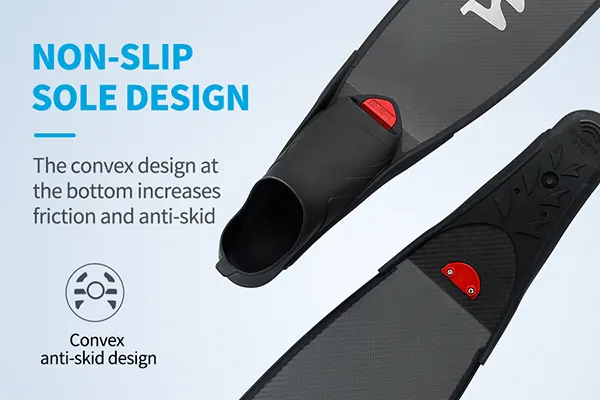
When you present this ladder to a factory, watch how the conversation goes. A manufacturer with genuine material engineering will discuss stiffness grades, blade length trade-offs, and how foot pocket durometer changes the feel of the same blade. A reseller will redirect the conversation to prints and colors. Carbon fiber fins occupy the trend and premium slot in Vanguard’s own portfolio — the segment that attracts enthusiast buyers and professional dive institutions — precisely because the material demands process discipline that not every factory can sustain.
If your assortment extends beyond fins, the same material logic applies to soft goods and masks. The silicone, TPR, and PVC comparison for snorkeling sets covers how material choice drives seal quality and unit economics across the rest of a watersports program.
What Does the OEM Customization Process for Carbon Blades Look Like?
Custom carbon fins are a mold-driven product, so the workflow mirrors other engineered OEM programs more than simple private-label assembly. A well-run project moves through five controlled stages, and the manufacturer’s behavior at each stage tells you how the whole program will run.
| Stage | What Happens | Typical Timing |
|---|---|---|
| 1. Concept and DFM analysis | You submit drawings, target stiffness, or a benchmark sample; the factory returns Design for Manufacturing feedback on blade geometry and tooling feasibility | 24–48 hours |
| 2. Tooling and mold development | In-house CNC mold development turns the approved design into production tooling | Included in prototyping window |
| 3. Prototype sampling | Custom prototypes are built for flex testing, fit confirmation, and cosmetic approval | 15–30 days |
| 4. Golden sample approval | Both sides sign off a reference sample that anchors all future inspections | Aligned to your review cycle |
| 5. Mass production | First production order runs under four-stage quality control; repeat orders shorten as tooling matures | 30–60 days first order; ~30 days on repeats |
One recommendation worth adopting from brand-legacy factories: for any program that replaces an existing supplier, send a physical sample for reverse benchmarking. Paper specifications rarely capture how a blade actually loads and releases, and a factory that offers to measure and match your reference sample — locking material recipe and process standards against it — removes most of the guesswork from a transition. This approach, along with NDA-protected molds and no mold fees on repeat orders of standard private label models, is standard practice at established OEM houses. Vanguard’s custom manufacturing programs follow exactly this sequence, from DFM analysis through golden sample lock.
The OEM-versus-ODM decision also shapes how this timeline compresses or stretches. If you adapt an existing platform, sampling is faster and tooling risk is lower; a fully original blade demands more DFM iterations. The trade-offs are laid out in this OEM vs ODM comparison for snorkeling gear customization.
How Do You Audit the Factory Behind the Catalog?
A catalog shows you what a factory can photograph. An audit tells you what it can repeat. When carbon fins are the target, four audit points predict long-term program health better than any sales deck.
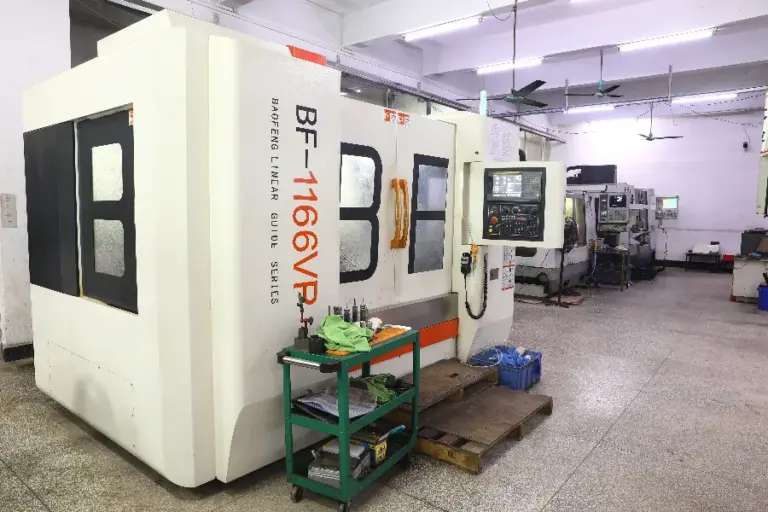
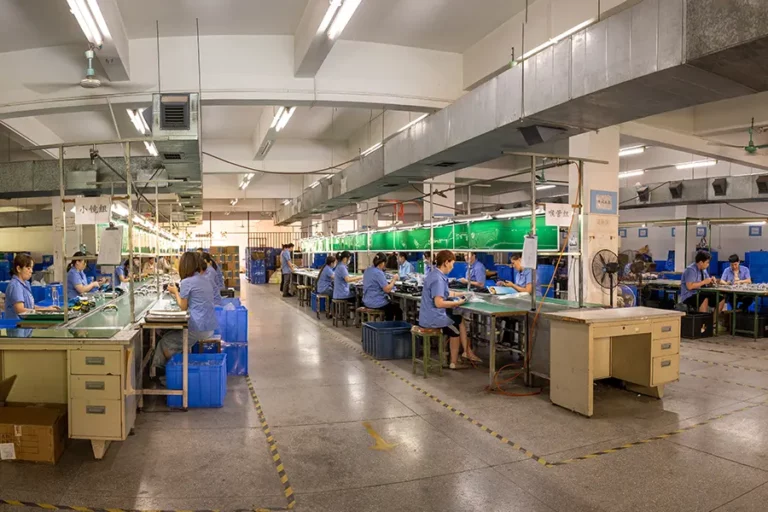
First, capacity and process depth. Ask how many production lines and injection machines the factory runs, and whether mold making happens under the same roof. A manufacturer operating its own facility with in-house CNC tooling can correct a dimensional drift in days; a broker must negotiate with an external mold shop you will never see. Scale also protects your delivery dates — a factory running multiple lines can absorb an urgent order without pulling your mass production slot.
Second, the quality control chain. A disciplined factory can recite its inspection sequence without preparation: incoming raw material inspection, precision molding control, standardized assembly, performance lab testing, and final packaging checks before dispatch. For fins specifically, ask what the lab measures — flexibility and recovery, tensile strength of blade-to-pocket bonds, and fatigue behavior under repeated flex cycles are the tests that matter. Request a sample quality inspection report (FAI or OQC format) so you can see how findings are documented before you have a claim to argue about.
Third, deliverables and documentation. Beyond the physical goods, a professional program should hand you a compliance document package and a digital asset pack — white-background product images, lifestyle shots, and usage videos that shorten your path to listing. Factories that have served major brands and supermarket programs produce these as a matter of routine because their buyers audit for them.
Fourth, physical evidence. If a site visit is impractical, ask for a live video walkthrough of the molding floor and QC lab at a scheduled time rather than edited promotional footage. Factories with nothing to hide accommodate this easily.
What MOQ and Lead Time Should You Plan Around?
Carbon fins programs fail commercially more often on cash-flow timing than on product quality. The numbers below reflect standard terms for fins sourced from established Chinese manufacturers and give you a realistic planning frame before your first negotiation call.
| Program Element | Standard Benchmark | Planning Note |
|---|---|---|
| MOQ (fins, per color) | 300 pcs | Same benchmark applies to masks and goggles — useful when bundling a multi-category program |
| Stock samples | 2–7 days | Order early in evaluation; flex-test against your benchmark blade |
| Custom prototypes | 15–30 days (incl. tooling) | Budget one revision loop in your launch calendar |
| Mass production, first order | 30–60 days | Longer end of range applies to fully custom molds |
| Repeat orders | ~30 days | Reorder timing, not first order, sets your steady-state inventory rhythm |
| Ready-to-ship stock | 48-hour dispatch | Covers early market testing before a custom program lands |
One structure worth building into your first season: pair the custom carbon program with a ready-to-ship assortment for adjacent categories. While your exclusive blade moves through tooling and sampling, stock models of standard fins, masks, and goggles can generate early sell-through data and validate your price points with far less capital at risk. E-commerce sellers in particular use this to test markets before committing to a full OEM production run.
Which Certifications Matter When Importing Carbon Freediving Fins?
Certifications do not make a blade stiffer, but they decide how smoothly your containers clear customs and whether large retail buyers will even open negotiations. For fins programs heading to Western markets, five credentials carry real weight.
ISO 9001:2015 confirms the factory runs a documented quality management system — the precondition for consistent blade behavior between production batches. BSCI addresses social compliance, which most European chains and many US retailers treat as a vendor-onboarding gate rather than a bonus. CE marking covers your EU market access. FDA compliance matters wherever silicone or elastomer components contact skin or could be mouth-adjacent in set configurations. OEKO-TEX Standard 100 certifies that textile and soft-goods elements in your program are free of harmful substances — increasingly a checklist item for swim and dive apparel sold alongside fins. A manufacturer holding this full set has already passed audits your own customers will eventually run on you.
Ask to see certificates during supplier evaluation, not after order placement, and confirm the certificate holder matches the factory you are paying. For a deeper treatment of export compliance across masks and sets, see this export certification guide for dive equipment, and the certification overview on Vanguard’s quality page.
What Red Flags Should End a Supplier Conversation Early?
Most failed fins programs show warning signs before any money moves. Walk away — or at least demand evidence — when you encounter these patterns:
- No sample test data. The supplier cannot show flex-cycle, tensile, or recovery numbers for its current blades, only marketing photos.
- Vague carbon content. Questions about fiber layup, weave, or stiffness grades get answered with “same as picture” — a reliable signal the factory buys blades anonymously and cannot control the recipe.
- Tooling opacity. Nobody can explain who cuts the molds, where they are stored, or who owns them — a problem that surfaces later as schedule risk and IP exposure.
- Prices far below every comparable quote. Carbon laminate has a floor set by material cost; quotes that break the floor usually break it in the laminate.
- No inspection report templates. A factory that has never produced an FAI or OQC report has never had a customer who demanded one.
None of these are fatal in isolation, but each one moves risk from the supplier’s side of the table to yours. The manufacturers worth building a multi-year program with answer them with documents, not reassurances.
Explore the carbon fiber freediving fins collection to review current platforms, then request a quote with your target stiffness, lengths, and packaging requirements — the engineering team typically returns DFM feedback within 24–48 hours.
Frequently Asked Questions
What MOQ applies to custom freediving fins orders?
Fins follow the same benchmark as masks and goggles: 300 pcs per color. Bundling multiple categories into one program can simplify negotiation, since the per-color minimum applies uniformly rather than compounding across product lines.
How long do sampling and mass production take for carbon blades?
Stock samples ship in 2–7 days, so you can flex-test a current platform almost immediately. Custom prototypes take 15–30 days including tooling, first mass-production orders run 30–60 days, and repeat orders compress to roughly 30 days once the golden sample is locked.
Can blades and foot pockets be specified separately in an OEM program?
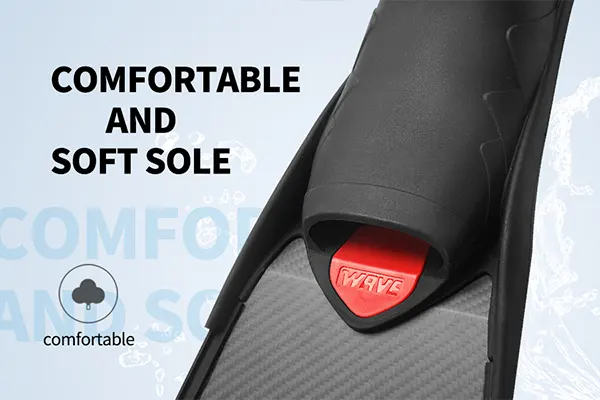
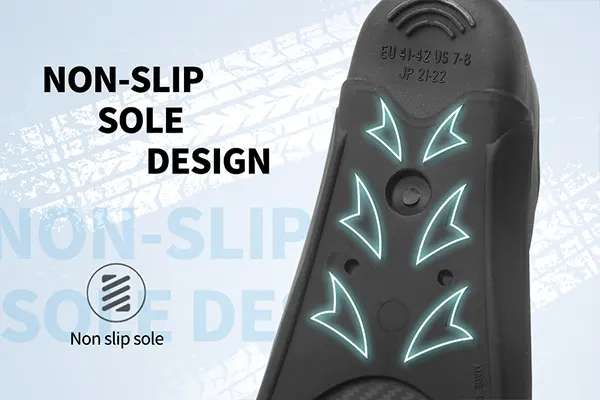
Yes. Interchangeable blade architectures are an established engineering direction for long fins, and foot pocket comfort is tuned separately from blade stiffness. Submit your target configuration with your inquiry so the DFM feedback addresses both elements together.
Which certifications should a carbon fins supplier hold?
For Western markets, look for ISO 9001:2015 for quality management, BSCI for social compliance, CE for EU access, FDA where silicone components are involved, and OEKO-TEX Standard 100 for textile elements. Retail chains frequently treat several of these as onboarding requirements rather than preferences.
Is it better to start with stock fins before launching a custom carbon program?
For most importers, yes. Stock and ready-to-ship models reach the market in weeks and generate sell-through data while your custom blades move through tooling and sampling. That evidence sharpens your stiffness, length, and color decisions before the larger production commitment.