
At first glance, all fins may look similar—blades, pockets, and straps. But anyone who has spent real time in the water knows how dramatically design affects performance. Even a few centimeters in blade length or stiffness can change how your body moves underwater.
So let’s look closely at what truly separates freediving fins, scuba fins, and snorkeling fins, and why each design exists for its specific environment.
The Difference in Blade Length, Stiffness, and Material
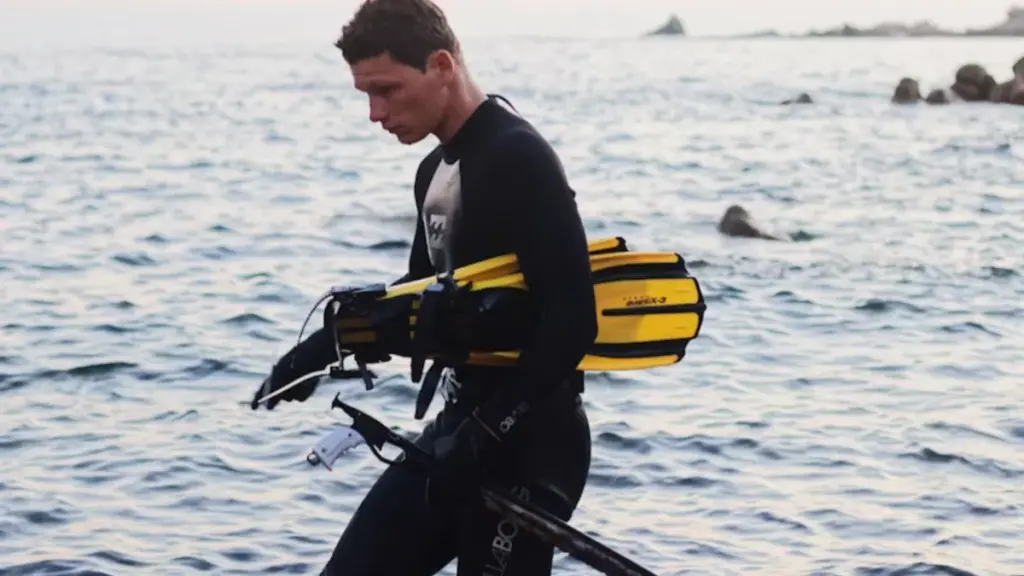
Blade Efficiency in Freediving Fins
フリーダイビングフィン are made to move you as far as possible with every kick—without wasting energy. Since you dive on a single breath, the goal is to make every movement count.
Blade Length: Extra-long, usually 90–100 cm, almost twice the size of scuba fins. The longer surface pushes more water each time you kick, giving you strong forward momentum with less effort.
Flex Pattern: The blade is firm near the foot and softer toward the tip. This helps it bend naturally and snap back with power, so you glide farther without kicking harder.
Materials:
- Carbon fiber: Super light and responsive—perfect for deep divers who want maximum efficiency.
- Fiberglass: A solid balance between flexibility and durability, great for regular training or daily use.
- Polymer composites: Slightly heavier but affordable—ideal for beginners learning freediving techniques.
The long blades help you move smoothly through the water, reducing resistance. That’s why experienced freedivers often use slow, steady kicks—the fins do most of the work for them.
Power and Stability in Scuba Fins
Scuba fins are built for strength and control. When you’re wearing 20–30 kg of gear underwater, you need fins that can handle both power and precision.
Blade Length: Medium. Around 60–70 cm, which gives the right mix of thrust and maneuverability. You get enough power to move efficiently without losing balance or control.
Flex and Structure:
- Paddle fins: Provide strong, direct kicks—great for quick acceleration or swimming in strong currents.
- Split fins: Designed with slits that channel water smoothly, making them easier on your legs during long dives.
Materials: Most scuba fins use reinforced plastics or rubber for toughness and stiffness. Some modern designs include channels or flow guides that help you move forward more efficiently.
These fins are all about control. It keeps you steady near coral reefs, inside shipwrecks, or when adjusting position underwater.
Lightweight Flexibility in Snorkeling Fins
シュノーケリングフィン are made for easy surface swimming and relaxed exploration. They focus on comfort, light weight, and simple movement rather than deep diving performance.
Blade Length: Short and compact, usually 35–50 cm. This makes it easy to kick near the surface without tiring your legs, perfect for casual swimmers or beginners.
Flex Pattern: Soft and flexible from base to tip. The gentle bend helps you move smoothly through the water and keeps the motion easy and natural, even after long periods of snorkeling.
Materials:
- Thermoplastic elastomer (TPE): Light, flexible, and comfortable—great for everyday snorkeling.
- Polypropylene: A bit stiffer, giving slightly more power with each kick while still being easy to control.
- Silicone blends: Found in higher-end fins, combining great flexibility with a soft feel on the feet.
Snorkeling fins are all about effortless movement. Their short, flexible design helps you glide easily over reefs and calm waters, letting you enjoy the view instead of fighting against resistance. They’re made for comfort, not competition, so you can focus on the fun of exploring underwater.
Foot Pocket Types and Fit
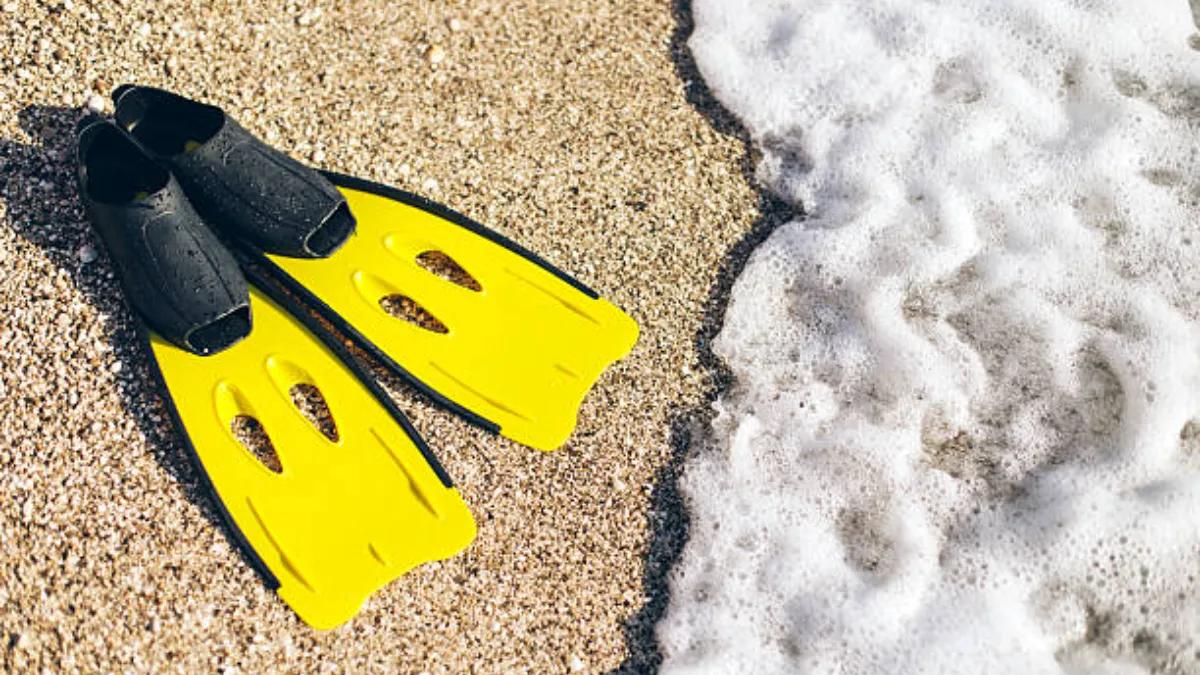
Foot Pocket Types
Different diving disciplines require different priorities: efficiency for freediving, versatility for scuba, and comfort for snorkeling.
| Fin Type | Pocket Design | Use Style | Key Advantages | Typical Drawbacks |
| フリーダイビングフィン | Full-foot pocket, closed heel | Worn barefoot or with thin socks | Maximum energy transfer, minimal drag | Can cause foot fatigue during surface swims |
| Scuba Fins | Open-heel pocket with adjustable strap | Worn with neoprene boots | Adaptable to boot thickness, protective on rocky entries | Slightly less efficient than full-foot designs |
| シュノーケリングフィン | Soft full-foot または light open-heel | Usually barefoot | Easy to wear, lightweight for travel | Less precise energy transfer, lower thrust |
フィット感と快適さ
Getting the right fit is one of the most overlooked—but most critical—factors in choosing fins.
A perfect fit lets your legs work efficiently without wasted motion or pain. Here’s how each type differs in feel and comfort:
フリーダイビングフィン
- フィット: Tight and form-hugging, designed to “lock in” around the arch and heel. This direct connection ensures every kick translates to movement.
- 快適: Moderate. Freedivers often trade comfort for performance, especially during long descents. A fin that feels slightly tight on land usually fits perfectly in the water once your feet compress under pressure.
- Expert Tip: Avoid any heel lift—it’s a clear sign of poor energy transfer. Most professional freedivers spend weeks adjusting their pocket size to find the perfect balance.
Scuba Fins
- フィット: Typically open-heel with adjustable straps or springs. The design accommodates neoprene boots for thermal protection and better grip on rocky entries.
- 快適: High. The strap system lets divers customize tightness, making it versatile for different dive environments.
- Expert Tip: Straps should feel snug but never restrictive. Over-tightening leads to calf strain and reduced thrust, while loose straps waste power in strong currents.
シュノーケリングフィン
- フィット: Soft and forgiving, with either a full-foot or light open-heel design. Built for casual use and easy donning.
- 快適: Very high. These fins are made for relaxed surface swimming, not deep or technical dives. Their flexible materials allow long use without fatigue.
- Expert Tip: Prioritize comfort and stability over tightness. If you can comfortably perform a few flutter kicks without slipping or rubbing, the fit is just right.
Typical Use Cases and Water Conditions
| Fin Type | Ideal Environment | Typical Depth Range | Primary Users | Key Performance Focus |
| フリーダイビングフィン | Open ocean, blue holes, deep vertical walls with calm or light current | 10 – 100 m | Freedivers, competitive spearfishers | Maximum propulsion efficiency and energy transfer per kick |
| Scuba Fins | Coral reefs, wreck dives, drift dives, and moderate to strong current areas | 5 – 40 m | Recreational and professional scuba divers | Power, maneuverability, and stability under heavy gear load |
| シュノーケリングフィン | Shallow reefs, lagoons, calm bays, and clear coastal shallows | 1 – 5 m | Casual snorkelers, beginners, resort users | Comfort, lightweight design, and surface swimming ease |
- フリーダイビングフィン
Freediving fins focus on efficiency in deep and calm water. Small changes in kick rhythm can affect speed and oxygen use. They work best when movements are slow and controlled in open, stable environments. - Scuba fins
Scuba fins are made for control under heavier gear and stronger currents. Their design supports short, powerful kicks that maintain stability and direction. They perform well in reef dives, wreck dives, and other dynamic underwater settings. - シュノーケリングフィン
Snorkeling fins emphasize comfort and easy handling near the surface. They allow relaxed movements without tiring the legs or ankles. Ideal for calm lagoons or coastal shallows where agility and comfort matter most.
Comprehensive Comparison Table: Freediving vs. Scuba vs. Snorkeling Fins
| Feature / Aspect | フリーダイビングフィン | Scuba Fins | シュノーケリングフィン |
| Blade Length & Design | Extra-long (70–90 cm) hydrodynamic blades for maximum thrust with minimal effort | Medium-length (40–60 cm) rigid or split blades for balance between power and control | Short (30–40 cm) flexible blades for easy kicking and surface maneuvering |
| Propulsion Efficiency | ★★★★★ — highest efficiency per kick; ideal for deep vertical dives | ★★★★☆ — strong propulsion under load; reliable for horizontal movement | ★★☆☆☆ — limited thrust, suitable for short distances |
| Control & Stability | ★★☆☆☆ — less control near the surface due to blade flex | ★★★★★ — excellent control even with full dive gear | ★★★☆☆ — stable for casual surface use |
| Energy Demand | Very low at steady rhythm; optimized for oxygen conservation | Moderate; increased air consumption under heavy kicking | Low; minimal fatigue during leisure swimming |
| Weight & Portability | Heavy and bulky; difficult to pack or walk with | Medium weight; travel-friendly in shorter models | Ultra-light and compact; ideal for travel fins |
| 耐久性 | Medium — carbon and fiberglass blades need care | High — sturdy rubber or polymer builds resist impact | Medium — soft materials may warp over time |
| Ideal Environment | Deep freediving, line diving, spearfishing | Scuba diving, drift dives, wrecks, and reefs | Casual snorkeling, resort use, warm shallow waters |
| Skill Requirement | High — requires strong finning technique and ankle strength | Moderate — manageable with basic training | 低レベル - 初心者向けで直感的 |
| 典型的なユーザー | パフォーマンスダイバー、スピアフィッシャー | Recreational and professional scuba divers | カジュアルな旅行者、初心者、子供 |
| 価格帯(米ドル) | $150~500以上(材質による。カーボンが最も高価) | 高品質モデル向け$100–300 |
適切なフィンを選ぶ方法
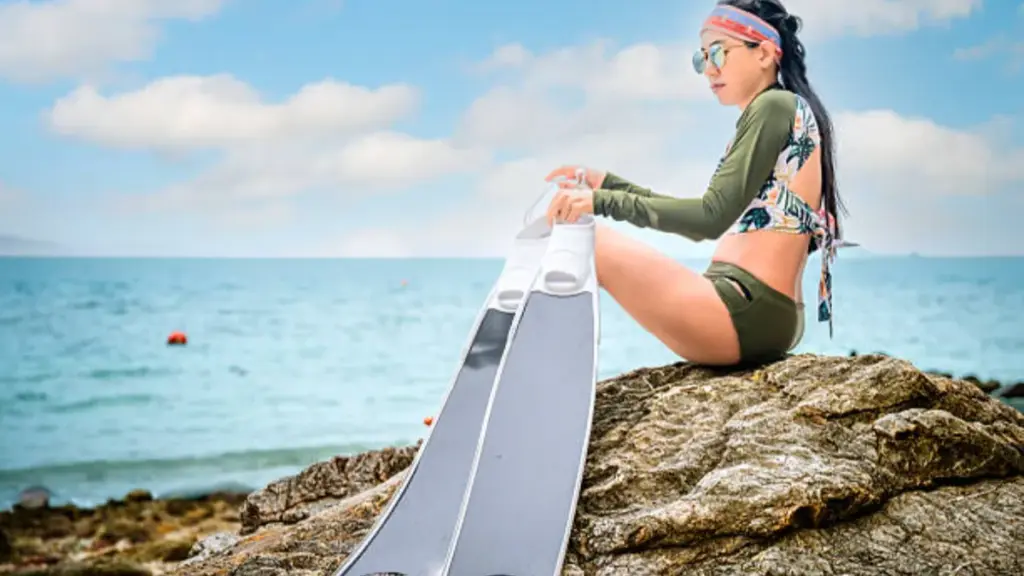
シュノーケリングフィン:快適さと使いやすさ
水面を泳ぐ場合、快適さが最も重要です。シュノーケリングフィンは柔らかく柔軟性があるべきです。これにより、脚を疲れさせることなく滑るように進むことができます。足を入れる部分はぴったりとフィットする必要があります。緩すぎるとフィンがねじれる可能性があり、きつすぎると足を挟んだり、水ぶくれができたりする可能性があります。浅瀬で試してみましょう。数分間、疲れを感じることなくキックできるはずです。これらのフィンは、パワーよりも快適さを重視する初心者やカジュアルスイマーに適しています。
スキューバフィン:パワーとコントロール
スキューバフィンは、フル装備のダイバーを移動させる役割を担います。キックのたびに反応し、同時に安定性を保つ必要があります。調節可能なストラップでブーツにしっかりとフィットさせ、足全体に均等な圧力がかかるようにしましょう。穏やかな水面でターンやホバリングの練習をしてください。フィンは正確なコントロールを可能にするものでなければなりません。フィット感の悪いフィンや硬いブレードは、すぐに脚を疲れさせてしまいます。
フリーダイビング用フィン:効率性と快適性
フリーダイビングでは、すべての動きが重要だ。 フルフットフィン ぴったりとフィットしつつも、締め付けすぎないことが重要です。ブレードの硬さは非常に重要です。柔らかすぎるとキックごとに力が必要になり、硬すぎるとふくらはぎがすぐに疲れてしまいます。水平滑走と垂直降下を試してみてください。フィンはまるで脚の延長のように感じられるはずです。適切なフィット感とブレードの反応が、楽なダイビングと早期疲労の分かれ目となります。
専門家の見解
新しいフィンは必ず穏やかな水で試してください。フィット感や柔軟性にわずかな違いがあるだけでも、痙攣や不快感の原因となることがあります。フィンは自分のキックスタイルに合わせて選びましょう。フラッターキックには柔らかいフィンが適しています。ドルフィンキックには硬めのブレードが適しています。自分に合ったフィンを選ぶには、ブランドやスタイルではなく、自分の体、目標、そして環境にどれだけ合っているかが重要です。
最後に
ダイビングをすればするほど、フィンは単なるアクセサリーではないことに気づくでしょう。フィンは水中での動きを決定づけるものです。フリーダイバーの長いブレードは、一呼吸ごとに泳ぎの自由度を高めます。スキューバダイバーのフィンは、器材を装着した状態での動きを安定させます。シュノーケリングをする人の短いフィンは、何気ない好奇心を、楽々と楽しめるものに変えてくれます。
フィンを調達したり設計したりする際は、フィンの種類ごとに異なる性能特性があることを覚えておいてください。
- フリーダイビングフィン エネルギー変換効率を最大化する。
- Scuba fins バランス感覚、制御力、そして持久力。
- シュノーケリングフィン 快適さとアクセスのしやすさを重視する。
万能な「最高のフィン」は存在しない。最適なフィンは、環境、負荷、目標に合致するものである。 ヴァンガードスイミング世界的な専門家 ワンストップ製造 水泳・ダイビング用品の専門メーカーであるVanguardは、設計から製造まで、精密さと快適性を兼ね備えた高性能ギアを提供し、世界中のバイヤーから信頼される柔軟なOEMおよびODMサービスを提供しています。
今すぐお問い合わせください 次世代の水泳・ダイビング用品シリーズを開発するため。

 Japanese
  English
  Arabic
  French
  German
  Hindi
Hindi  Italian
  Korean
  Portuguese
  Russian
  Spanish