للوهلة الأولى, قد تبدو جميع الزعانف متشابهة — الشفرات, جيوب, والأشرطة. لكن أي شخص قضى وقتًا حقيقيًا في الماء يعرف مدى تأثير التصميم بشكل كبير على الأداء. حتى بضعة سنتيمترات من طول الشفرة أو صلابتها يمكن أن تغير طريقة تحرك جسمك تحت الماء.
لذلك دعونا ننظر عن كثب إلى ما يفصل بين زعانف الغوص الحر, زعانف الغوص, والغطس الزعانف, ولماذا يوجد كل تصميم لبيئته المحددة.
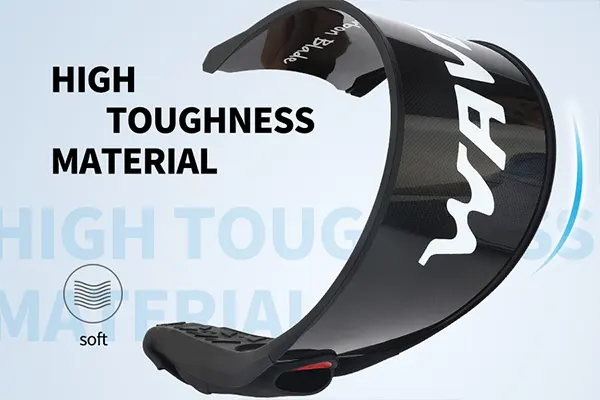
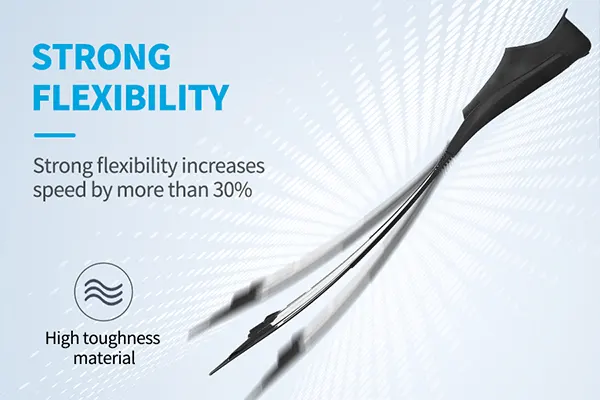
الفرق في طول الشفرة, صلابة, والمواد
كفاءة الشفرة في زعانف الغوص الحر
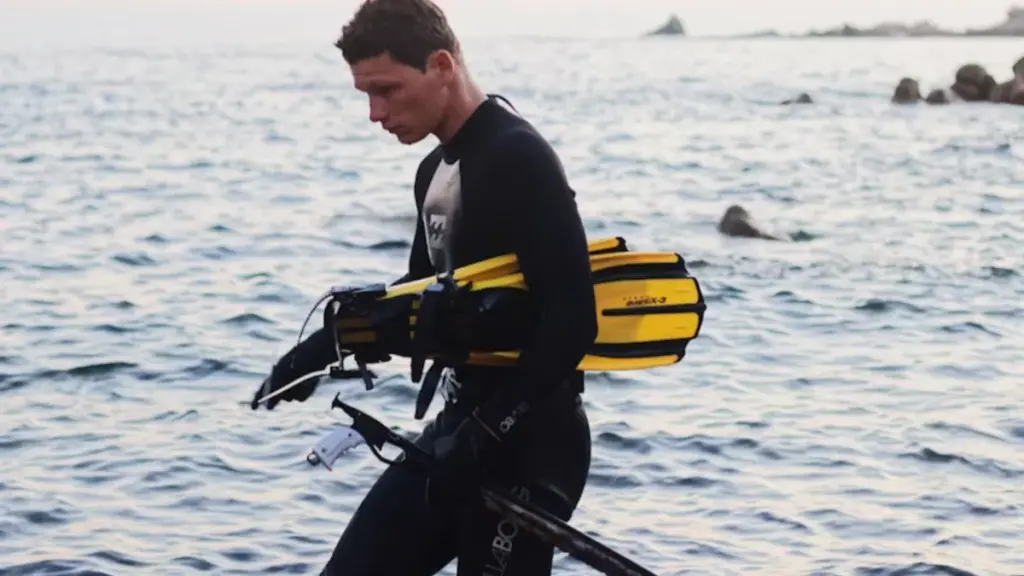
زعانف الغوص الحر مصممة لتحريكك إلى أقصى حد ممكن مع كل ركلة، دون إهدار الطاقة. منذ أن تغوص في نفس واحد, الهدف هو جعل كل حركة ذات أهمية.
طول الشفرة: طويل جدًا, عادة 90-100 سم, ما يقرب من ضعف حجم زعانف الغوص. السطح الأطول يدفع المزيد من الماء في كل مرة تركل فيها, مما يمنحك زخمًا قويًا للأمام بجهد أقل.
نمط فليكس: النصل ثابت بالقرب من القدم وأكثر ليونة تجاه الطرف. وهذا يساعدها على الانحناء بشكل طبيعي والعودة بقوة, حتى تنزلق لمسافة أبعد دون الركل بقوة أكبر.
مواد:
- ألياف الكربون: خفيف للغاية وسريع الاستجابة - مثالي للغواصين العميقين الذين يريدون أقصى قدر من الكفاءة.
- الألياف الزجاجية: توازن قوي بين المرونة والمتانة, رائعة للتدريب المنتظم أو الاستخدام اليومي.
- مركبات البوليمر: أثقل قليلاً ولكن بسعر معقول - مثالي للمبتدئين الذين يتعلمون تقنيات الغوص الحر.
تساعدك الشفرات الطويلة على التحرك بسلاسة عبر الماء, تقليل المقاومة. لهذا السبب غالبًا ما يستخدم الغواصون الأحرار ذوو الخبرة البطيء, ركلات ثابتة، حيث تقوم الزعانف بمعظم العمل نيابةً عنها.
القوة والاستقرار في زعانف الغوص
تم تصميم زعانف الغوص من أجل القوة والتحكم. عندما ترتدي 20-30 كجم من المعدات تحت الماء, أنت بحاجة إلى زعانف يمكنها التعامل مع القوة والدقة.
طول الشفرة: واسطة. حوالي 60-70 سم, مما يعطي المزيج الصحيح من الدفع والقدرة على المناورة. تحصل على القوة الكافية للتحرك بكفاءة دون فقدان التوازن أو السيطرة.
المرن والهيكل:
- زعانف مجداف: تقديم قوي, الركلات المباشرة - رائعة للتسريع السريع أو السباحة في التيارات القوية.
- انقسام الزعانف: مصممة بفتحات تعمل على توجيه المياه بسلاسة, مما يجعلها أسهل على ساقيك أثناء الغطس الطويل.
مواد: تستخدم معظم زعانف الغوص البلاستيك المقوى أو المطاط من أجل المتانة والصلابة. تشتمل بعض التصميمات الحديثة على قنوات أو أدلة تدفق تساعدك على المضي قدمًا بكفاءة أكبر.
هذه الزعانف تدور حول التحكم. يبقيك ثابتًا بالقرب من الشعاب المرجانية, داخل حطام السفن, أو عند ضبط الوضع تحت الماء.
مرونة خفيفة الوزن في زعانف الغطس
غطس الزعانف مصنوعة لسهولة السباحة على السطح والاستكشاف المريح. يركزون على الراحة, خفيفة الوزن, وحركة بسيطة بدلاً من أداء الغوص العميق.
طول الشفرة: قصيرة وصغيرة الحجم, عادة 35-50 سم. وهذا يجعل من السهل الركل بالقرب من السطح دون تعب ساقيك, مثالية للسباحين العاديين أو المبتدئين.
نمط فليكس: ناعمة ومرنة من القاعدة إلى الحافة. يساعدك الانحناء اللطيف على التحرك بسلاسة عبر الماء ويحافظ على الحركة سهلة وطبيعية, حتى بعد فترات طويلة من الغطس.
مواد:
- المطاط الصناعي بالحرارة (TPE): ضوء, مرن, ومريحة - رائعة للغطس اليومي.
- مادة البولي بروبيلين: أكثر صلابة قليلا, مما يعطي قوة أكبر قليلاً مع كل ركلة مع سهولة التحكم فيها.
- خلطات السيليكون: وجدت في الزعانف العليا, يجمع بين المرونة الرائعة والملمس الناعم على القدمين.
تتمحور زعانف الغطس حول الحركة السهلة. قصيرة بهم, يساعدك التصميم المرن على الانزلاق بسهولة فوق الشعاب المرجانية والمياه الهادئة, مما يتيح لك الاستمتاع بالمنظر بدلاً من القتال ضد المقاومة. إنها مصنوعة من أجل الراحة, ليست منافسة, حتى تتمكن من التركيز على متعة الاستكشاف تحت الماء.
أنواع جيوب القدم وملاءمتها
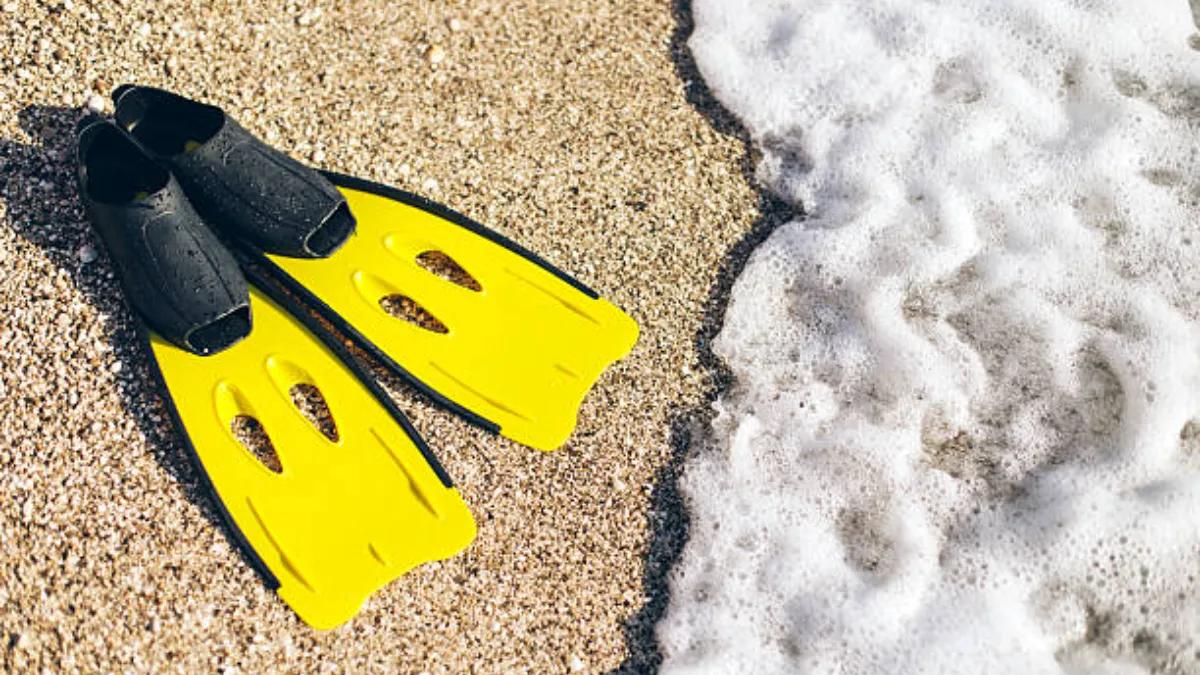
أنواع جيوب القدم
تتطلب تخصصات الغوص المختلفة أولويات مختلفة: كفاءة للغوص الحر, براعة للغوص, والراحة للغوص.
| نوع الزعنفة | تصميم الجيب | استخدم النمط | المزايا الرئيسية | العيوب النموذجية |
| زعانف الغوص الحر | جيب كامل القدم, كعب مغلق | يتم ارتداؤه حافي القدمين أو مع جوارب رقيقة | الحد الأقصى لنقل الطاقة, الحد الأدنى من السحب | يمكن أن يسبب تعب القدم أثناء السباحة السطحية |
| زعانف الغوص | جيب مفتوح بالكعب مع حزام قابل للتعديل | يمكن ارتداؤه مع حذاء من النيوبرين | قابلة للتكيف مع سمك الحذاء, وقائية على المداخل الصخرية | أقل كفاءة قليلاً من التصميمات ذات القدم الكاملة |
| غطس الزعانف | قدم ناعمة كاملة أو كعب مفتوح خفيف | عادة حافي القدمين | سهل الارتداء, خفيفة الوزن للسفر | نقل طاقة أقل دقة, التوجه السفلي |
الملاءمة والراحة
يعد الحصول على الملاءمة المناسبة أحد العوامل الأكثر إغفالًا - ولكنها الأكثر أهمية - في اختيار الزعانف.
يتيح الملاءمة المثالية لساقيك العمل بكفاءة دون إهدار الحركة أو الألم. إليك كيفية اختلاف كل نوع من حيث الشعور والراحة:
زعانف الغوص الحر
- ملائم: ضيق ومعانقة الشكل, مصمم "للتثبيت" حول القوس والكعب. يضمن هذا الاتصال المباشر أن كل ركلة تترجم إلى حركة.
- راحة: معتدل. غالبًا ما يستبدل الغواصون الحرون الراحة بالأداء, خاصة أثناء النزول الطويل. عادة ما تكون الزعنفة التي تكون مشدودة قليلاً على الأرض مناسبة تمامًا للماء بمجرد ضغط قدميك تحت الضغط.
- نصيحة الخبراء: تجنب رفع الكعب، فهي علامة واضحة على ضعف نقل الطاقة. يقضي معظم الغواصين المحترفين أسابيعًا في تعديل حجم جيوبهم للعثور على التوازن المثالي.
زعانف الغوص
- ملائم: عادة ما يكون الكعب مفتوحًا مع أشرطة أو نوابض قابلة للتعديل. يستوعب التصميم أحذية النيوبرين للحماية الحرارية وقبضة أفضل على المداخل الصخرية.
- راحة: عالي. يتيح نظام الحزام للغواصين تخصيص درجة إحكامه, مما يجعلها متعددة الاستخدامات لبيئات الغوص المختلفة.
- نصيحة الخبراء: يجب أن تكون الأشرطة مريحة ولكنها ليست مقيدة أبدًا. الإفراط في تشديد يؤدي إلى إجهاد العجل وانخفاض التوجه, بينما تهدر الأشرطة الفضفاضة الطاقة في التيارات القوية.
غطس الزعانف
- ملائم: ناعمة ومتسامحة, مع تصميم كامل القدم أو كعب مفتوح خفيف. مصمم للاستخدام الكاجوال وسهل الارتداء.
- راحة: عالية جدا. هذه الزعانف مصنوعة للسباحة السطحية المريحة, لا الغطس العميق أو الفني. تسمح موادها المرنة بالاستخدام لفترة طويلة دون تعب.
- نصيحة الخبراء: إعطاء الأولوية للراحة والاستقرار على ضيق. إذا كان بإمكانك أداء بعض الركلات الرفرفة بشكل مريح دون الانزلاق أو الاحتكاك, الملاءمة صحيحة تمامًا.
حالات الاستخدام النموذجية وظروف المياه
| نوع الزعنفة | البيئة المثالية | نطاق العمق النموذجي | المستخدمون الأساسيون | التركيز على الأداء الرئيسي |
| زعانف الغوص الحر | المحيط المفتوح, الثقوب الزرقاء, جدران عمودية عميقة ذات تيار هادئ أو خفيف | 10 - 100 م | الغواصين الأحرار, صيادو الرمح التنافسيون | أقصى كفاءة للدفع ونقل الطاقة لكل ركلة |
| زعانف الغوص | الشعاب المرجانية, غطسات الحطام, الغطس الانجراف, والمناطق الحالية المتوسطة إلى القوية | 5 - 40 م | الغواصين الترفيهيين والمحترفين | قوة, القدرة على المناورة, والاستقرار تحت حمولة العتاد الثقيلة |
| غطس الزعانف | الشعاب الضحلة, البحيرات, الخلجان الهادئة, والمياه الضحلة الساحلية واضحة | 1 - 5 م | السباحون غير الرسميين, مبتدئين, مستخدمي المنتجع | راحة, تصميم خفيف الوزن, وسهولة السباحة السطحية |
- زعانف الغوص الحر
تركز زعانف الغوص الحر على الكفاءة في المياه العميقة والهادئة. يمكن أن تؤثر التغييرات الصغيرة في إيقاع الركلة على السرعة واستخدام الأكسجين. تعمل بشكل أفضل عندما تكون الحركات بطيئة ويتم التحكم فيها في الوضع المفتوح, بيئات مستقرة. - زعانف الغوص
صُنعت زعانف الغوص للتحكم تحت معدات أثقل وتيارات أقوى. تصميمها يدعم القصير, ركلات قوية تحافظ على الثبات والاتجاه. إنهم يؤدون أداءً جيدًا في غوص الشعاب المرجانية, غطسات الحطام, وغيرها من الإعدادات الديناميكية تحت الماء. - غطس الزعانف
تؤكد زعانف الغطس على الراحة وسهولة التعامل بالقرب من السطح. أنها تسمح بحركات مريحة دون تعب الساقين أو الكاحلين. مثالية للبحيرات الشاطئية الهادئة أو المياه الضحلة الساحلية حيث تكون خفة الحركة والراحة أكثر أهمية.
جدول المقارنة الشامل: الغوص الحر مقابل. الغوص مقابل. غطس الزعانف
| ميزة / وجه | زعانف الغوص الحر | زعانف الغوص | غطس الزعانف |
| طول الشفرة & تصميم | طويل جدًا (70-90 سم) شفرات هيدروديناميكية لتحقيق أقصى قدر من الدفع بأقل جهد | متوسطة الطول (40-60 سم) شفرات صلبة أو مقسمة لتحقيق التوازن بين القوة والتحكم | قصير (30-40 سم) شفرات مرنة لسهولة الركل والمناورة السطحية |
| كفاءة الدفع | ★★★★★ — أعلى كفاءة لكل ركلة; مثالية للغوص العمودي العميق | ★★★★☆ — دفع قوي تحت الحمل; موثوقة للحركة الأفقية | ★★☆☆☆ - قوة دفع محدودة, مناسبة لمسافات قصيرة |
| يتحكم & استقرار | ★★☆☆☆ — تحكم أقل بالقرب من السطح بسبب ثني الشفرة | ★★★★★ — تحكم ممتاز حتى مع معدات الغوص الكاملة | ★★★☆☆ - ثابت للاستخدام السطحي غير الرسمي |
| الطلب على الطاقة | منخفض جدًا في إيقاع ثابت; الأمثل للحفاظ على الأكسجين | معتدل; زيادة استهلاك الهواء تحت الركل الشديد | قليل; الحد الأدنى من التعب أثناء السباحة الترفيهية |
| وزن & قابلية النقل | ثقيلة وضخمة; من الصعب حزمها أو المشي معها | وزن متوسط; مناسبة للسفر في نماذج أقصر | خفيفة للغاية وصغيرة الحجم; مثالية لزعانف السفر |
| متانة | متوسطة - تحتاج الشفرات المصنوعة من الكربون والألياف الزجاجية إلى العناية | عالية - مطاط قوي أو بوليمر يقاوم الصدمات | متوسطة - قد تتشوه المواد الناعمة بمرور الوقت |
| البيئة المثالية | الغوص الحر العميق, الغوص الخطي, صيد الأسماك بالرمح | الغوص, الغطس الانجراف, حطام السفن, والشعاب المرجانية | الغطس غير الرسمي, استخدام المنتجع, المياه الضحلة الدافئة |
| متطلبات المهارة | عالي - يتطلب تقنية زعانف قوية وقوة في الكاحل | معتدل - يمكن التحكم فيه بالتدريب الأساسي | منخفض - سهل الاستخدام وبديهي للمبتدئين |
| مستخدم نموذجي | الغواصين الأداء, صيادو الرمح | الغواصين الترفيهيين والمحترفين | مسافرون عاديون, مبتدئين, أطفال |
| نطاق السعر (دولار أمريكي) | $150-500+ حسب المادة (أغلى الكربون) | $100– 300 لنماذج الجودة |
كيفية اختيار النوع المناسب من الزعانف
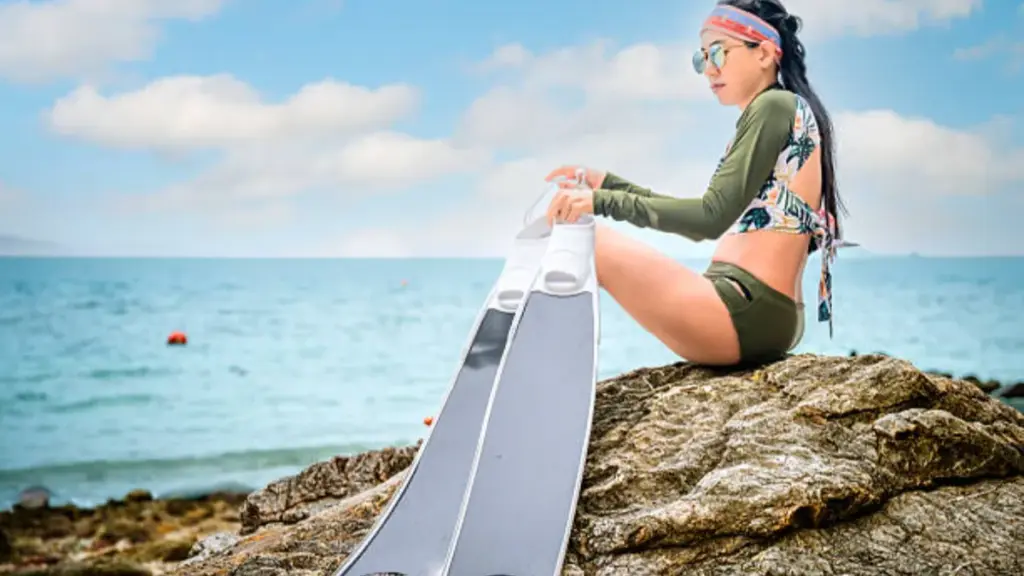
غطس الزعانف: الراحة والسهولة
للسباحة السطحية, الراحة هي الأهم. يجب أن تكون زعانف الغطس ناعمة ومرنة. هذا يسمح لك بالانزلاق دون تعب ساقيك. يجب أن يتناسب جيب القدم بشكل مريح. فضفاضة جدا, قد تلتوي الزعنفة. ضيق جدا, يمكن أن يقرص أو يسبب ظهور بثور. اختبار في المياه الضحلة. يجب أن تكون قادرًا على الركل لعدة دقائق دون تعب. تناسب هذه الزعانف السباحين المبتدئين والعاديين الذين يقدرون السهولة على القوة.
زعانف الغوص: القوة والتحكم
تعمل زعانف الغوص على تحريك الغواصين وهم يحملون معدات كاملة. إنهم بحاجة إلى الرد على كل ركلة مع الحفاظ على استقرارك. الأشرطة القابلة للتعديل تضمن ملاءمة آمنة مع الأحذية. يجب أن يشعر الضغط حتى عبر القدم. تدرب على المنعطفات والتحليق في المياه الهادئة. يجب أن تسمح الزعانف بالتحكم الدقيق. يمكن للزعانف غير الملائمة أو الشفرات الصلبة أن تتعب ساقيك بسرعة.
زعانف الغوص الحر: الكفاءة والراحة
كل حركة مهمة في الغوص الحر. زعانف قدم كاملة يجب أن يتناسب بشكل مريح ولكن لا يقرص. صلابة الشفرة أمر بالغ الأهمية. الناعمة جدًا تزيد من الجهد لكل ركلة. إطارات قاسية جدًا تعجل بسرعة. جرب الانزلاقات الأفقية والهبوط العمودي. يجب أن تشعر الزعانف وكأنها امتداد لساقيك. الملاءمة المناسبة واستجابة الشفرة تُحدث الفرق بين الغطس السهل والتعب المبكر.
رؤية الخبراء
اختبر دائمًا الزعانف الجديدة في الماء الهادئ. يمكن أن يؤدي عدم التطابق البسيط في الملاءمة أو المرونة إلى حدوث تشنجات أو عدم الراحة. قم بمطابقة الزعانف مع أسلوب الركلة الخاص بك. ركلات الرفرفة تفضل الزعانف الأكثر ليونة. تفضل الركلات على طراز دولفين الشفرات الأكثر صلابة. الزعنفة الصحيحة لا تتعلق بالعلامة التجارية أو الأسلوب. يتعلق الأمر بمدى نجاحه مع جسمك, الأهداف, والبيئة.
الأفكار النهائية
كلما غطست أكثر, كلما أدركت أن الزعانف ليست مجرد إكسسوارات. إنها تحدد حركتك تحت الماء. تعمل الشفرات الطويلة للغواص الحر على تحويل كل نفس إلى نطاق. تعمل زعانف الغواص على تحويل الحركة المحملة بالتروس إلى استقرار. تعمل زعانف الغطس القصيرة على تحويل الفضول العادي إلى متعة سهلة.
إذا كنت تقوم بتوريد أو تصميم الزعانف, تذكر أن كل نوع من الزعانف له DNA أداء مختلف:
- زعانف الغوص الحر تعظيم تحويل الطاقة.
- زعانف الغوص السيطرة على التوازن والتحمل.
- غطس الزعانف التأكيد على الراحة وسهولة الوصول.
لا يوجد "أفضل زعنفة" عالمية. الأفضل يناسب بيئتك, حمولة, والأهداف - اعتقاد مشترك من قبل الطليعة للسباحة, خبير عالمي في تصنيع وقفة واحدة لمعدات السباحة والغوص. من التصميم إلى الإنتاج, توفر Vanguard معدات عالية الأداء بدقة وراحة, تقديم خدمات تصنيع المعدات الأصلية وتصنيع التصميم الشخصي المرنة التي يثق بها المشترين في جميع أنحاء العالم.
اتصل بنا اليوم لتطوير خطك القادم من معدات السباحة والغوص.