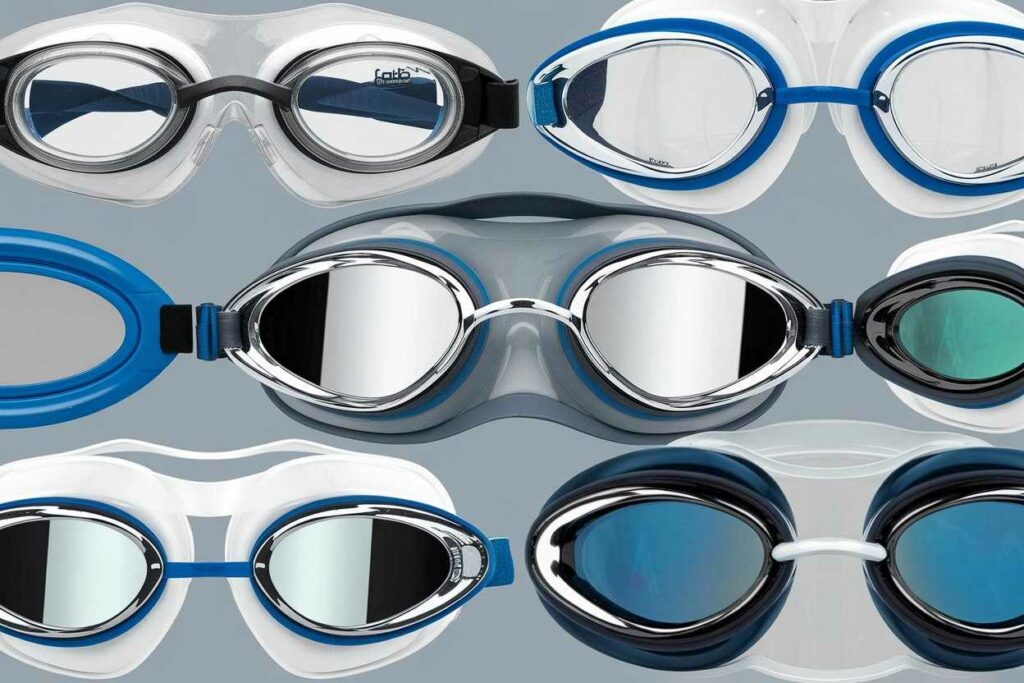
...

중국의 수영 및 다이빙 장비 브랜드 제조업체, 도매업자, 이후 OEM 프로젝트 1993.

제품 가이드

Children’s Swimming Goggles Sizing: 3-6Y, 6-12Y, and Teen Fit Guide

Children’s Swimming Goggles Sizing: 3-6Y, 6-12Y, and Teen Fit Guide

Size is the making or breaking variable in the children’s goggle category. An adult buyer who orders the wrong frame complains once; a parent whose child comes out of the water with leaking goggles after one lesson does not return, and the retailer absorbs the review. For e-commerce sellers and kids-focused retail buyers, the question is not whether to carry a size ladder but how to structure it so that one season of stocking covers three years of customer growth.

This guide breaks the children’s swimming goggle range into its three working grades, explains which fit dimensions actually decide whether a goggle seals on a young face, and turns that into a practical assortment and listing plan for sellers managing kids’ sizes across a season.

주요 시사점

  • Children’s goggle sizing runs on three fit axes, not one: frame scale, nose bridge clip size (small, 중간, large), and strap length with an adjustable range wide enough for a child’s head.
  • A preschool goggle, a junior goggle, and a teen-transition goggle are three tooling decisions; a single “어린이” frame generates returns at both ends of the age range.
  • Interchangeable nose bridges are the highest-leverage feature in the 6 에게 12 band: one frame plus three clips covers most of a growth period.
  • Listing quality is part of sizing: head-circumference guidance, bridge-size photos, and a fit chart cut returns more reliably than any product change.
  • The most common complaint pattern in kids’ 고글, “too big,” “pinches,” “strap too short,” is a size-ladder gap, 결함이 아니다.

Why Children’s Goggle Sizing Is Not Just “Smaller Adults”?

Adult faces are finished; children’s faces are mid-construction. A goggle that seals on a five-year-old and one that seals on an eleven-year-old differ in three measurable ways that no amount of strap adjustment can reconcile.

Orbital geometry. The bony socket a skirt seals against grows fastest in the preschool years, which is why the same child may need a new frame size between summer and autumn sessions. A frame sized for the current face reads as “pinching” one season later and “새는” two seasons later if you start too small.

Nose bridge width. The distance and angle between the eyes changes through childhood, and the bridge clip is the component that absorbs it. This is why quality junior frames ship with three clip sizes in the box; fixed-bridge adult frames cannot follow a growing face.

Head circumference and hair. 어린이’ heads are proportionally larger relative to face width than adults’, and long hair adds a real sealing variable. Strap systems sized for an adult “중간” leave junior buyers with the short-strap complaints that show up in reviews more reliably than any other fit failure.

The commercial translation: a serious children’s program carries a grade ladder, and sellers who stock one “kids size” are choosing which third of their customers will be disappointed.

How Does the Three-Grade Ladder Work?

Factories and brands that build junior lines properly work with three age grades, matching the ranges most swim schools and team programs already use:

Grade Age band Frame and seal Bridge and strap Stocking note
Preschool 대충 3 에게 6 연령 Smallest frame, softest silicone skirt, gentle suction only Single narrow bridge, short strap with wide adjuster range Low per-unit complexity, high restock frequency; comfort decides the repurchase
후진 대충 6 에게 12 연령 Mid frame; durable skirt, anti-fog becomes a real requirement as lessons intensify Interchangeable bridge clips (에스, 중, 엘) carry the growth range The volume tier; one frame plus clip set covers most of the band
Teen transition 대충 12 years up Adult-small frames and entry racing profiles Standard bridge set, longer strap Overlaps club teams; spec up optics, keep price below adult racing

Our own product taxonomy follows the same split, and the swim school channels that buy from wholesalers in volume are organized around exactly these bands, which is why an assortment that mirrors them sells through more cleanly than one organized by color.

Illustrated guide on how to choose the right goggle size for a young swimmer
Grade ladders beat “one kids size” because the fit axes, 액자, bridge, and strap, all move during childhood.

What Fit Dimensions Should Listings and Size Charts Show?

Returning to the three axes above, here is what a listing or a retail display actually needs to state for the parent buyer to self-select correctly. Most kids’ goggle returns trace to buyers guessing on dimensions the product never told them.

Frame scale

State the grade, and back it with a simple face test: can the skirt sit inside the child’s eye socket without touching the eyebrow? Photographs of the frame next to common objects help; “for ages 3 to 6” alone does not, because the age band hides the spread.

Bridge coverage

List the clip sizes included, and show them as separate pieces in the gallery, because the small nose on a six-year-old and the developed bridge on an eleven-year-old are the difference between the medium and large clip. This is the single most under-communicated fit variable in children’s listings.

Strap range

Give the adjustment range in plain terms, and note whether the strap splits for swim-cap clearance. The short-strap complaint is common enough in junior reviews that stating the range pre-emptively deflects it, and long-haired customers need the split-strap answer before checkout, not after.

On the search side, sellers should note that this category is typed multiple ways: “childrens swimming goggles” without the apostrophe is a common search and backend-keyword form on marketplaces, while branded listings and packaging usually carry the apostrophe. Cover both in the listing data, one proper form on the page, and the plain form in the search-term fields.

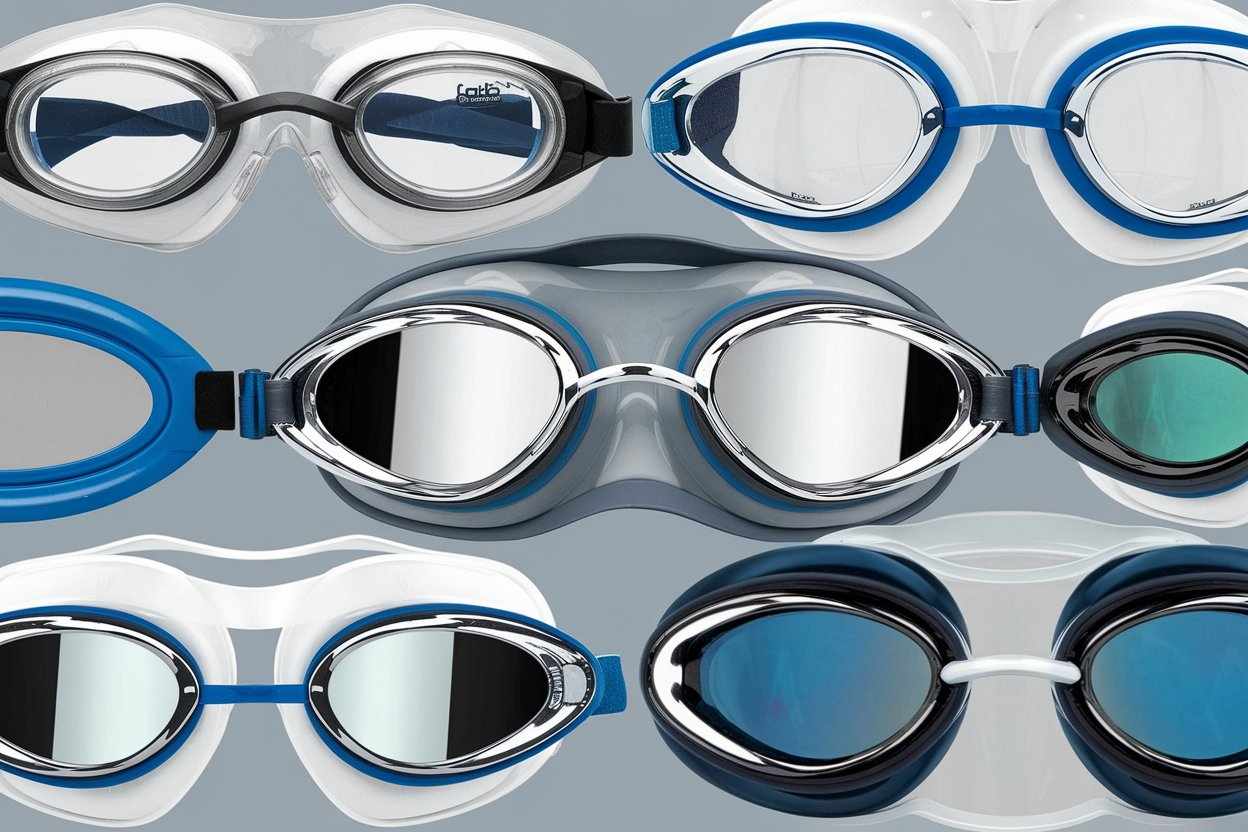
Assortment of children's swim goggles in multiple frame sizes and colors for retail stocking
A graded assortment in three bands reads as a complete kids program at retail, not a clearance bin of small adult frames.

How Should Each Grade Be Merchandised?

Preschool (3 에게 6 연령): sell comfort, expect replacement

The purchase is emotional (first lessons), price-sensitive, and short-cycle: the child outgrows the frame or loses it. Stock shallow, restock often, and lead with softness and easy on-off rather than optics. A single bridge option is fine here; the small faces in this band cluster tightly.

후진 (6 에게 12 연령): sell the growth range

This is where the interchangeable-bridge frame pays for itself and where your assortment should concentrate. Market the bridge clip set as the feature it is, one goggle that lasts two seasons, because that is the argument that wins against the cheapest listing on the marketplace. Anti-fog quality starts to matter here as training volume rises; coated lenses sold into daily use generate the fog complaints that define your review page.

Teen transition (12 위로): sell the step up

Swimmers at this stage are joining clubs and being told what to buy by coaches, which shifts demand toward low-profile frames and mirror options at a price under adult racing gear. For sellers, this tier is the upsell path from the junior purchase; the grade ladder becomes a customer lifecycle. The category definitions in our junior goggle primer cover how this band transitions into competition spec.

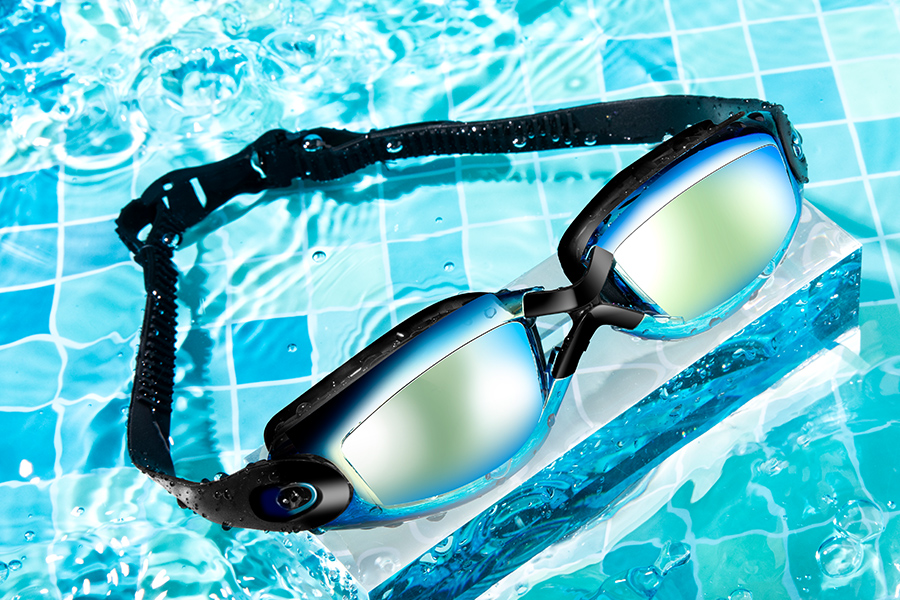
Junior swim goggle models showing nose bridge clip and adjustable strap fit features
Bridge clips and strap adjusters are merchandising assets: photograph them separately and returns drop.

How Do You Cut the Return Rate on Kids’ 고글?

Beyond accurate listings, three levers move the number measurably.

Put a fit test on the package. The dry-suction test, pressing the goggles to the eyes until they hold briefly without the strap, is the single reliable in-store check a child can perform. Package instructions that walk through it reduce the “it leaks” returns that were never a product defect.

Bridge the gap seasons. Sell the next size early: a junior goggle bought at the end of summer with a spare medium clip is a customer retained through growth, which is exactly the logic behind the size-run planning in our guide to choosing goggles for kids.

Watch the two complaint poles. “Too big” 그리고 “pinches” are not random noise; they are the edges of your grade ladder. If reviews skew “too big,” your preschool grade is scaled wrong or merchandised to the wrong band; if they skew “pinches,” the junior frame is arriving a size early. Route the signal back to the assortment, not to the customer.

For the underlying mechanics of why soft skirts seal on young faces without suction force, 우리의 swimming goggle 101 가이드 explains seal design in plain terms your retail staff can reuse.

What Does a Sensible First Size-Run Order Look Like?

A workable opening plan for a kids’ department or a new online store: two frame grades (preschool and junior) in two colors each, with the junior grade built around the interchangeable-bridge frame and clip set, and the teen transition tier held to a single entry racing model ordered shallow. On stock tooling, per-color quantities set order size, so the grade ladder costs you colors, not new minimums: a six-SKU opening program can still be one conversation about a shared palette.

When you are ready to map grades to actual frames, 그만큼 junior goggle range shows what runs on stock tooling today, and the full product catalog covers the swim-school and club categories that sit beside them.

Building a children’s goggle size ladder? Tell us your channel and target age spread and we will map frame grades, bridge clip coverage, and per-color quantities into an opening assortment, with sample packs across grades before you commit. Request a quote through the contact form.

자주 묻는 질문

What sizes do children’s swimming goggles come in?

실제로, three grades: preschool (대충 3 에게 6), 후진 (대충 6 에게 12), and a teen transition band that overlaps adult-small frames. Within the junior grade, interchangeable nose bridge clips in small, 중간, and large do most of the fit adjustment, which is why one well-built junior frame can cover the whole band.

How do I know which goggle size fits my child?

Use the suction test without the strap: the frame should hold briefly on the eye sockets with light pressure. Then check that the skirt sits inside the socket without touching the eyebrow, and that the strap adjusts small enough for a wet cap over the head. Sellers who put these three checks on the package see visibly fewer wrong-size returns.

Should I buy one size up so the goggles last longer?

아니요. A goggle that will fit next season cannot seal this season, and leaking is the complaint that ends a child’s use of any goggles. The correct growth strategy is buying the current grade with the next bridge clip in the box, not the next frame size early.

Do junior swimmers with long hair need different goggles?

The goggles do not change, but the strap system and the guidance do: a split or adjustable strap that clears a gathered cap is the practical answer, and the fit demonstration should always happen with the cap on. Listings that show the strap over a full cap head answer the parent’s real question before it becomes a return.

When do kids move to competition-size goggles?

When they join a club and the coach starts talking about drag, usually in the teen transition band from around twelve. At that point the low-profile racing fit becomes appropriate, provided the frame still seals on a younger face without suction force, which is why the better path is an adult-small racing grade rather than pushing a full adult frame early.

이 기사를 공유하세요

수영 장비 프로젝트를 시작할 준비가 되었습니다?

제품 사양을 보내주세요., 목표 수량, 및 타임라인. 우리 수출팀은 영업일 기준 1일 이내에 가격에 대한 답변을 드립니다., MOQ, 그리고 리드타임.

견적 받기 제품 찾아보기
맨 위로 돌아가기
빠른 견적이 필요합니다? WhatsApp에서 수출팀과 채팅하세요.