La elección de materiales en un set de snorkel determina tres cosas que afectan directamente a tu negocio: su costo unitario, tu tasa de retorno, y la reputación de tu marca. Equivocarse con los materiales, y ninguna cantidad de marketing lo salvará de las quejas de los clientes sobre filtraciones., irritación de la piel, o aletas rotas después de tres usos.
Esta guía desglosa los tres niveles de materiales: silicona, TPR, y PVC, componente por componente. Cubrimos las diferencias de rendimiento, las implicaciones de costos, y las aplicaciones específicas donde cada material tiene sentido. Como fabricante con capacidad de coinyección de silicona líquida y 50+ Patentes en innovación de materiales y diseño., Tenemos un interés directo en ayudarle a comprender por qué es importante la selección de materiales..
Los tres niveles de materiales de un vistazo
| Propiedad | Caucho de silicona líquida (LSR) | TPR (Caucho termoplástico) | CLORURO DE POLIVINILO (Cloruro de polivinilo) |
|---|---|---|---|
| Dureza (Orilla A) | 20–60 (amplia gama) | 40–80 | 50–90 |
| Flexibilidad | Excelente: se mantiene flexible de -40 °C a 200 °C | Bueno, flexible a temperatura ambiente., se pone rígido con el frío | Limitado: se vuelve rígido por debajo de 0°C |
| Seguridad de la piel | Hipoalergénico, Aprobado por la FDA para contacto con la piel. | Generalmente seguro, puede contener plastificantes | Puede causar irritación; preocupaciones sobre ftalatos |
| resistencia a los rayos ultravioleta | Excelente: no se degrada con la luz solar | Moderado: endurecimiento gradual en 1 o 2 años | Pobre: se vuelve amarillo y quebradizo. |
| Resistencia al agua salada | Excelente | Bien | Moderado: lixiviación del plastificante con el tiempo. |
| Moldeabilidad | Requiere equipo de inyección o coinyección de LSR | Moldeo por inyección estándar | Moldeo por inyección estándar |
| Costo relativo | $$$ | $$ | $ |
| Aplicación típica | Mascarillas premium, faldas coinyectadas | Faldas de gama media, bolsillos para los pies en las aletas | Mascarillas de presupuesto, aletas de nivel de entrada |
Análisis de materiales componente por componente
Falda de máscara (el elemento de sellado facial)
El faldón de la máscara es el componente más sensible al material. Presiona directamente contra la cara del buceador durante períodos prolongados.. Una mala elección del material provoca aquí #1 queja del cliente: goteando.
Silicona: El estándar de oro de la industria. El caucho de silicona líquida forma una suave, sello hipoalergénico que se adapta a los contornos faciales. Se mantiene flexible en agua fría., resiste la degradación UV, y no lixivia plastificantes. Las mascarillas premium utilizan exclusivamente faldas LSR.
TPR: Una alternativa aceptable de gama media. Los faldones de TPR brindan una flexibilidad razonable y son más baratos de producir.. Sin embargo, TPR se endurece en agua fría (por debajo de 15°C), lo que reduce la calidad del sello en condiciones más frías. Más de 12 a 18 meses de vida útil, El TPR puede perder plastificantes y volverse más duro..
CLORURO DE POLIVINILO: La opción económica. Los faldones de PVC son rígidos en comparación con la silicona y el TPR., creando puntos de presión incómodos y sellos deficientes en estructuras faciales irregulares. El PVC también es el material con mayor probabilidad de causar irritación de la piel.. Recomendamos faldones de PVC solo para los productos de precio más bajo donde el usuario final prioriza el costo sobre la comodidad..
Cuerpo de snorkel y válvula de mordida.
Válvula de mordida de silicona: Estándar en todos los niveles de calidad. La silicona es el único material adecuado para el contacto oral prolongado: no tiene sabor, inodoro, e hipoalergénico. Incluso los snorkels económicos utilizan válvulas de mordida de silicona..
cuerpo de snorkel: El PVC es común para el cuerpo del tubo: proporciona una rigidez adecuada y es económico.. Los snorkels premium utilizan cuerpos totalmente de silicona o PE (polietileno) con sobremolde de silicona para una mejor sensación. El TPR rara vez se utiliza para cuerpos de snorkel..
Hoja de aleta
polipropileno (PÁGINAS): El material estándar de las aletas.. El PP ofrece un buen equilibrio de flexibilidad, durabilidad, y costo. La mayoría de los juegos de snorkel al por menor se envían con palas de PP.
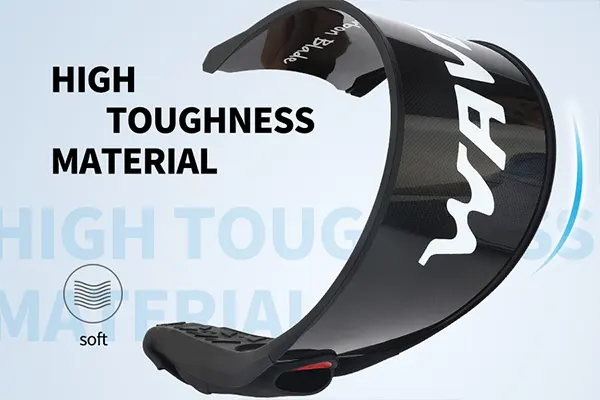
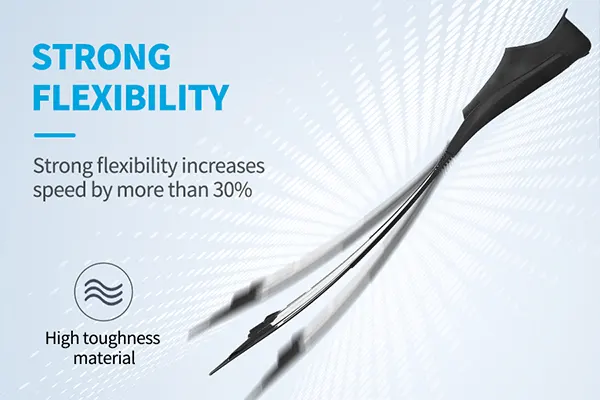
PÁGINAS + combo TPR: Una mejora de gama media. Las superposiciones de TPR en una hoja de PP agregan flexibilidad en la punta para un ciclo de patada más eficiente. La construcción de dos materiales cuesta más pero ofrece un rendimiento notablemente mejor.
Reforzado con fibra de vidrio: La opción premium. Las palas de fibra de vidrio brindan el máximo empuje con cada patada y son las preferidas por buceadores y apneístas experimentados.. Mayor costo de producción, pero el sobreprecio de venta al público lo justifica en el caso de líneas de productos orientadas al rendimiento..
Bolsillo para el pie de aleta
PÁGINAS: Rígido y barato. Aceptable para aletas de alquiler de pie completo donde no se necesita ajuste. Incómodo para diseños de tacón abierto..
TPR: El estándar para los calzantes de gama media. Lo suficientemente flexible para mayor comodidad, Lo suficientemente rígido para una transferencia de energía eficiente.. Funciona bien tanto para diseños de pie completo como de correa ajustable.
Silicona multidensidad: Bolsillos para los pies de primera calidad que combinan un forro interior suave con una estructura exterior rígida. Mejor comodidad, mejor rendimiento, costo más alto.
Lente de máscara
vidrio templado: El estándar de la industria para juegos de calidad.. El vidrio templado resiste los rayones, proporciona claridad óptica, y cumple con los estándares de seguridad (ANSI Z87.1, EN 168). Es el único material de lente que recomendamos para gama media y superior..
Policarbonato (ordenador personal): Más ligero que el cristal pero se raya más fácilmente. Aceptable para equipos de nivel básico o para niños donde se prioriza la resistencia al impacto sobre la claridad óptica.. Las lentes de PC deben incluir una capa dura para que sean viables..
Ventajas de la coinyección de silicona
La fabricación tradicional de mascarillas une el faldón de silicona al marco de plástico mediante adhesivo. Esta unión pegada es el punto más débil.: puede degradarse con el tiempo, causar fugas, y delaminarse bajo estrés de temperatura.
Coinyección de silicona elimina el adhesivo por completo. en este proceso, Se inyecta caucho de silicona líquida directamente en el molde que contiene el marco de policarbonato.. La silicona se fusiona con el marco a nivel molecular durante el ciclo de curado, creando una unión que es más fuerte que cualquiera de los materiales por separado..
Los resultados:
| Métrico | Montaje pegado | Coinyección |
|---|---|---|
| Fuerza de unión | Moderado: depende de la calidad del adhesivo | Superior: fusión a nivel molecular |
| Rendimiento antivaho | Bien (dependiente del recubrimiento) | Excelente: no hay desgasificación del adhesivo cerca de la lente |
| Vida útil del producto | 1–3 años (degradación del adhesivo) | 5+ años (El bono no se degrada.) |
| Tasa de retorno (estimado) | 3–8% (quejas de fugas) | <1% (quejas de fugas) |
| Costo de fabricación | Más bajo (montaje estándar) | Más alto (requiere equipo de coinyección) |
La coinyección requiere equipo especializado; no todas las fábricas lo tienen. Los fabricantes con esta capacidad tienen una clara ventaja de calidad, particularmente para marcas dirigidas al segmento medio a premium.
Matriz de decisión de selección de materiales
Utilice esta matriz para hacer coincidir las opciones de materiales con el posicionamiento de su producto.:
| Nivel de producto | Falda de máscara | Cuerpo de snorkel | Hoja de aleta | Bolsillo para el pie de aleta | Lente |
|---|---|---|---|---|---|
| Presupuesto (minorista <$20) | CLORURO DE POLIVINILO | CLORURO DE POLIVINILO + mordedura de silicona | PÁGINAS | PÁGINAS | Policarbonato |
| gama media ($20–$45) | TPR | educación física + mordedura de silicona | PÁGINAS + combo TPR | TPR | vidrio templado |
| De primera calidad ($45+) | silicona liquida (coinyectado) | Silicona completa | fibra de vidrio | Silicona multidensidad | vidrio templado + anti-dato |
Cómo verificar afirmaciones materiales
Los proveedores pueden reclamar «silicona» cuando el producto utiliza mezclas de TPR o PVC. Aquí se explica cómo verificar:
- prueba de quemado: La silicona real se quema en blanco. (no amarillo), produce ceniza blanca, y no tiene olor acre. El PVC arde con una llama de punta verde y un olor acre..
- Prueba de estiramiento: Estiramientos de silicona 500%+ y vuelve a su forma original. TPR se extiende entre 200% y 400%. El PVC se estira mínimamente antes de agrietarse..
- certificado FDA: Solicite el número de registro FDA del proveedor del material.. Verifíquelo con la base de datos de la FDA.. Un proveedor legítimo de silicona se lo proporcionará sin dudarlo..
- Análisis de materiales de terceros.: SGS o Intertek pueden realizar espectroscopia FTIR para identificar la composición exacta del polímero. Costo: ~$100–$200 por muestra.
Preguntas frecuentes
¿La silicona de calidad alimentaria es la misma que se utiliza en las máscaras de buceo??
No exactamente. La silicona de calidad alimentaria cumple con la FDA 21 CFR 177.2600 para contacto con alimentos. La silicona de calidad para mascarillas cumple con estándares de biocompatibilidad similares, pero está formulada para diferentes durezas. (normalmente 30–50 Shore A para faldones). El punto clave: si un proveedor puede proporcionar silicona compatible con la FDA para su mascarilla, el mismo material es seguro para el contacto con la piel.
¿Cuánto dura un faldón de silicona en comparación con el de PVC??
Una falda de silicona suele durar 5+ años con uso normal. Un faldón de PVC puede durar entre 1 y 2 años antes de volverse rígido o desarrollar microfisuras.. Para productos minoristas con una vida útil de 12 a 18 meses antes de la venta, La degradación del PVC en los estantes es una preocupación real.
¿La coinyección también funciona con faldones de TPR??
La coinyección es específicamente un proceso de unión de silicona a plástico.. El TPR se une de manera diferente y normalmente utiliza enclavamiento mecánico. (el marco tiene socavaduras por las que fluye el TPR) en lugar de fusión molecular. La fuerza de unión es menor que la coinyección de silicona..