스노클링 세트의 재료 선택은 비즈니스에 직접적인 영향을 미치는 세 가지를 결정합니다.: 귀하의 단가, 귀하의 반품률, 그리고 당신의 브랜드 평판. 재료를 잘못 가져오다, 아무리 마케팅을 해도 누출에 대한 고객 불만을 막을 수는 없습니다., 피부 자극, 또는 3회 사용 후 지느러미가 갈라짐.
이 가이드는 세 가지 재료 계층인 실리콘을 분류합니다., TPR, 및 PVC — 구성요소별. 성능 차이를 다룹니다., 비용에 미치는 영향, 그리고 각 재료가 적합한 특정 응용 분야. 액상실리콘 동시주입 능력과 50+ 소재 및 디자인 혁신 특허, 우리는 재료 선택이 왜 중요한지 귀하가 이해하도록 돕는 데 직접적인 관심을 가지고 있습니다..
세 가지 재료 계층 개요
| 재산 | 액체 실리콘 고무 (LSR) | TPR (열가소성 고무) | PVC (폴리염화비닐) |
|---|---|---|---|
| 경도 (쇼어 A) | 20–60 (넓은 범위) | 40-80 | 50–90 |
| 유연성 | 우수 - -40°C ~ 200°C에서 유연성 유지 | 좋음 — 상온에서 유연함, 추위에 굳어진다 | 제한적 - 0°C 미만에서는 단단해집니다. |
| 피부 안전 | 저자극성, 피부 접촉에 대한 FDA 승인 | 일반적으로 안전함, 가소제를 함유할 수 있음 | 자극을 유발할 수 있음; 프탈레이트 문제 |
| 자외선 저항 | 우수 - 햇빛에 의한 품질 저하 없음 | 보통 – 1~2년에 걸쳐 점진적인 경화 | 나쁨 — 노랗게 변하고 부서지기 쉬워짐 |
| 바닷물 저항 | 훌륭한 | 좋은 | 보통 - 시간이 지남에 따라 가소제가 침출됨 |
| 성형성 | LSR 주입 또는 동시 주입 장비 필요 | 표준 사출 성형 | 표준 사출 성형 |
| 상대 비용 | $$$ | $$ | $ |
| 일반적인 응용 | 프리미엄 마스크, 동시 투입 스커트 | 미드레인지 스커트, 지느러미 발 주머니 | 예산 마스크, 보급형 핀 |
부품별 재료 분석
마스크 치마 (안면 밀봉 요소)
마스크 스커트는 재료에 가장 민감한 단일 구성 요소입니다.. 장시간 동안 다이버의 얼굴을 직접 누르게 됩니다.. 잘못된 재료 선택으로 인해 #1 고객 불만: 새는.
실리콘: 업계 최고의 표준. 액체 실리콘 고무는 부드러운, 얼굴 윤곽에 꼭 맞는 저자극 씰. 찬물에서도 유연성을 유지합니다., UV 분해에 저항, 가소제를 용출하지 않습니다.. 프리미엄 마스크는 LSR 스커트만을 사용합니다..
TPR: 수용 가능한 중급 대안. TPR 스커트는 합리적인 유연성을 제공하며 생산 비용이 저렴합니다.. 하지만, TPR은 찬물에서 굳어집니다. (15°C 이하), 더 시원한 조건에서 밀봉 품질을 저하시킵니다.. 유통기한 12~18개월 이상, TPR은 가소제를 잃어 더욱 단단해질 수 있습니다..
PVC: 예산 옵션. PVC 스커트는 실리콘 및 TPR에 비해 단단합니다., 불규칙한 얼굴 구조에 불편한 압력 지점과 열악한 밀봉을 생성합니다.. PVC는 피부 자극을 일으킬 가능성이 가장 높은 소재이기도 합니다.. 최종 사용자가 편안함보다 비용을 우선시하는 최저가 제품에만 PVC 스커트를 권장합니다..
스노클 본체 및 바이트 밸브
실리콘 바이트 밸브: 모든 품질 계층에 걸쳐 표준. 실리콘은 장기간 구강 접촉에 적합한 유일한 재료입니다. 맛이 없습니다., 냄새 없는, 저자 극성. 저예산 스노클이라도 실리콘 바이트 밸브를 사용합니다..
스노클 본체: PVC는 튜브 본체에 일반적으로 사용되며 적절한 강성을 제공하고 가격이 저렴합니다.. 프리미엄 스노클은 전체 실리콘 몸체 또는 PE를 사용합니다. (폴리에틸렌) 더 나은 느낌을 위해 실리콘 오버몰드 사용. TPR은 스노클 바디에는 거의 사용되지 않습니다..
핀 블레이드
폴리프로필렌 (PP): 표준 핀 블레이드 재질. PP는 유연성의 균형을 잘 유지합니다., 내구성, 그리고 비용. 대부분의 소매 스노클링 세트에는 PP 블레이드가 함께 제공됩니다..
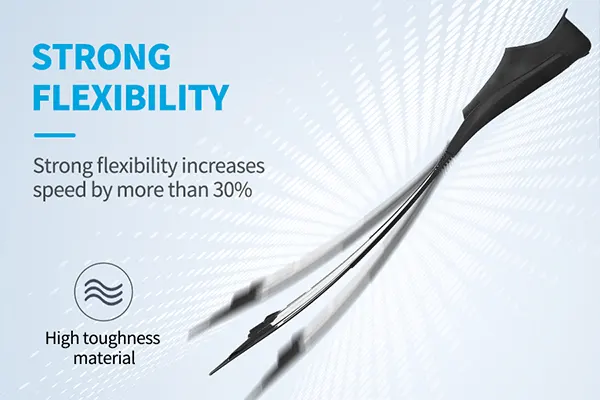
PP + TPR 콤보: 중간급 업그레이드. PP 블레이드의 TPR 오버레이는 팁에 유연성을 추가하여 보다 효율적인 킥 사이클을 제공합니다.. 이중 재료 구조는 비용이 더 많이 들지만 눈에 띄게 더 나은 성능을 제공합니다..
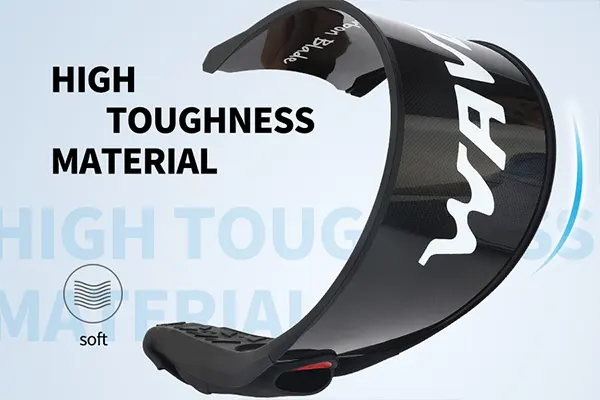
유리섬유 강화: 프리미엄 옵션. 유리 섬유 블레이드는 킥당 최대 추력을 제공하며 숙련된 스노클러와 프리다이버가 선호합니다.. 더 높은 생산 비용, 그러나 소매 가격 프리미엄은 성능 지향 제품 라인에 대한 정당성을 제공합니다..
핀 풋 포켓
PP: 단단하고 저렴함. 조정이 필요하지 않은 풀풋 렌탈 핀에 사용 가능. 오픈 힐 디자인에는 불편함.
TPR: 미드레인지 풋 포켓의 표준. 편안함을 위한 충분한 유연성, 효율적인 에너지 전달을 위해 충분히 견고함. 전체 발 디자인과 조절 가능한 스트랩 디자인 모두에 잘 작동합니다..
다중밀도 실리콘: 부드러운 내부 안감과 견고한 외부 구조를 결합한 프리미엄 풋 포켓. 최고의 편안함, 최고의 성능, 최고 비용.
마스크 렌즈
강화 유리: 품질 세트에 대한 업계 표준. 강화유리로 긁힘 방지, 광학적 선명도 제공, 안전 기준을 충족합니다. (ANSI Z87.1, 안에 168). 중거리 이상에 추천하는 유일한 렌즈 소재입니다..
폴리카보네이트 (PC): 유리보다 가볍지만 긁힘이 더 쉽습니다.. 광학 선명도보다 내충격성이 우선시되는 보급형 또는 어린이용 세트에 적합. PC 렌즈는 실행 가능하려면 하드 코팅을 포함해야 합니다..
실리콘 동시 주입의 장점
전통적인 마스크 제조에서는 접착제를 사용하여 실리콘 스커트를 플라스틱 프레임에 접착합니다.. 이 접착 조인트가 가장 약한 부분입니다.: 시간이 지남에 따라 성능이 저하될 수 있습니다., 누출을 일으키다, 온도 스트레스 하에서 박리.
실리콘 동시 주입 접착제를 완전히 제거합니다.. 이 과정에서, 액상 실리콘 고무를 폴리카보네이트 프레임이 포함된 금형에 직접 주입합니다.. 실리콘은 경화 주기 동안 분자 수준에서 프레임에 융합되어 두 재료 단독보다 더 강한 결합력을 생성합니다..
결과:
| 미터법 | 접착식 어셈블리 | 동시 주입 |
|---|---|---|
| 결합 강도 | 보통 - 접착 품질에 따라 다름 | 우수함 - 분자 수준 융합 |
| 김서림 방지 성능 | 좋은 (코팅에 따라 다름) | 우수함 - 렌즈 근처에서 접착제 가스 방출이 없음 |
| 제품 수명 | 1-3년 (접착력 저하) | 5+ 연령 (유대감은 떨어지지 않는다) |
| 반품률 (추정된) | 3-8% (누출 불만) | <1% (누출 불만) |
| 제조원가 | 낮추다 (표준 조립) | 더 높은 (동시 주입 장비가 필요합니다) |
동시 주입에는 특수 장비가 필요하지만 모든 공장에 장비가 있는 것은 아닙니다.. 이러한 역량을 갖춘 제조업체는 확실한 품질 우위를 확보하고 있습니다., 특히 중~프리미엄 부문을 타겟으로 하는 브랜드의 경우.
재료 선택 결정 매트릭스
이 매트릭스를 사용하여 재료 선택을 제품 포지셔닝에 일치시키십시오.:
| 제품 계층 | 마스크 치마 | 스노클 바디 | 핀 블레이드 | 핀 풋 포켓 | 렌즈 |
|---|---|---|---|---|---|
| 예산 (소매 <$20) | PVC | PVC + 실리콘 바이트 | PP | PP | 폴리카보네이트 |
| 중거리 ($20–$45) | TPR | 체육 + 실리콘 바이트 | PP + TPR 콤보 | TPR | 강화 유리 |
| 프리미엄 ($45+) | 액체 실리콘 (동시 주입) | 전체 실리콘 | 유리섬유 | 다중밀도 실리콘 | 강화 유리 + 치아 방지 |
중요한 주장을 확인하는 방법
공급업체가 청구할 수 있음 “실리콘” 제품이 TPR 또는 PVC 혼합물을 사용하는 경우. 확인 방법은 다음과 같습니다.:
- 화상 테스트: 진짜 실리콘은 하얗게 타요 (노란색이 아니다), 흰 재가 생성된다, 그리고 매운 냄새도 없고. PVC는 녹색 끝의 화염과 매운 냄새로 연소됩니다..
- 스트레치 테스트: 실리콘 스트레칭 500%+ 그리고 원래 모습으로 돌아옵니다. TPR은 200~400% 늘어납니다.. PVC는 균열이 발생하기 전에 최소한으로 늘어납니다..
- FDA 인증서: 재료 공급업체의 FDA 등록 번호를 요청하세요.. FDA 데이터베이스와 비교하여 확인. 합법적인 실리콘 공급업체가 주저 없이 이를 제공할 것입니다..
- 제3자 재료 분석: SGS 또는 Intertek은 FTIR 분광학을 수행하여 정확한 폴리머 구성을 식별할 수 있습니다.. 비용: 샘플당 ~$100~$200.
자주 묻는 질문
식품 등급 실리콘은 다이빙 마스크에 사용되는 것과 동일합니까??
정확하지 않음. 식품 등급 실리콘이 FDA를 충족합니다. 21 CFR 177.2600 식품 접촉용. 마스크 등급 실리콘은 유사한 생체 적합성 표준을 충족하지만 다른 경도에 맞게 제조되었습니다. (일반적으로 스커트의 경우 30–50 Shore A). 핵심 포인트: 공급자가 마스크에 FDA 준수 실리콘을 제공할 수 있는지 여부, 동일한 재질로 피부에 닿아도 안전합니다..
PVC에 비해 실리콘 스커트는 얼마나 오래 지속됩니까??
실리콘 스커트는 일반적으로 지속됩니다. 5+ 정상적으로 사용하는 경우 수년. PVC 스커트는 단단해지거나 미세 균열이 발생하기 전까지 1~2년 동안 지속될 수 있습니다.. 판매 전 유통기한이 12~18개월인 소매 제품의 경우, 선반의 PVC 품질 저하가 심각한 문제입니다..
TPR 스커트에도 동시 주입이 작동합니까??
이중 주입은 특히 실리콘과 플라스틱의 접착 공정입니다.. TPR은 다르게 결합되며 일반적으로 기계적 연동을 사용합니다. (프레임에는 TPR이 흐르는 언더컷이 있습니다.) 분자융합보다는. 접착강도는 실리콘 동시사출에 비해 낮습니다..