En la hoja de líneas de un comprador, un snorkel parece el SKU más fácil de la tienda: un tubo, una boquilla, un clip. Entonces empiezan a llegar los beneficios: barriles inundados en un programa turístico, solapas de purga agrietadas después de una temporada al sol, a «parte superior seca» que se pudrió en seco en el almacén antes de llegar al agua, y el tubo se convierte en cuatro productos diferentes con cuatro modos de falla diferentes, estructuras de margen, e historias de estantes.
Para responsables de catálogo que estructuran una línea de snorkel, la clasificación de tipos no es trivial; es el esqueleto de la planificación del surtido. Esta guía define los cuatro tipos de snorkel que importan comercialmente: seco, semiseco, estilo J clásico, y cara completa integrada, y asigna cada uno al canal, banda de precios, y hoja de especificaciones a la que realmente pertenece.
Control de llave
- Los tipos de snorkel difieren en una variable de ingeniería (cómo maneja el agua la parte superior) y esa única diferencia impulsa el costo., ajuste del canal, y exposición a la garantía en toda la línea.
- Los snorkels clásicos estilo J siguen siendo el caballo de batalla de volumen y configuración; las tapas secas agregan una válvula de flotador, un sello y un paso de herramientas, y llevar la banda superior de venta al por menor de una línea de snorkel.
- Los diseños semisecos capturan la mayor parte de la historia de marketing del snorkel seco con una fracción de la complejidad mecánica., Es por eso que dominan el comercio minorista del mercado medio..
- La respiración integrada en toda la cara ya no es una decisión accesoria: convierte el snorkel en un sistema de máscara, mover el SKU a un estante diferente, una banda de precios diferente, y un programa diferente de calidad.
- Una línea equilibrada tiene de cuatro a seis SKU de ancho: un tipo de tubo por rango de precios, con los formatos escenográficos y completos llevando el peso promocional y de volumen de verano..
Lo que realmente distingue a un snorkel seco de uno semiseco?
La clasificación honesta trata sobre la gestión del agua en la parte superior del tubo., porque ahí es donde se moldean, el recuento de partes, y las quejas viven.
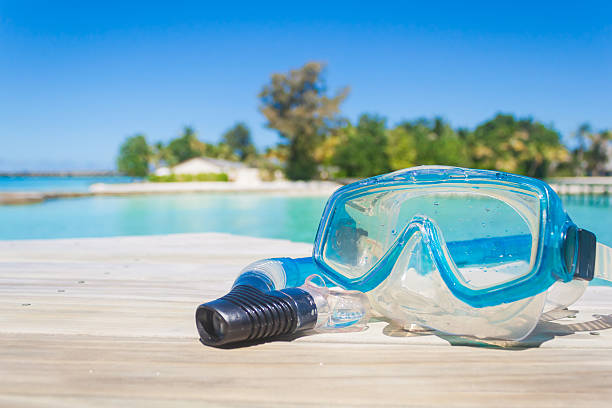
Estilo J clásico. Un tubo abierto con una curva., una boquilla, y un clip de portero. Sin ningún hardware para el manejo del agua: el agua entra cuando una ola pasa por encima, y el buzo lo aclara soplando fuerte. Cero puntos de falla, costo más bajo, y el formato estándar dentro de conjuntos de snorkel económicos. La limitación es experiencial.: Los usuarios nuevos interpretan un tubo inundado como un defecto del producto., no como la física.
semiseco. Un escudo deflector o protector contra salpicaduras sobre la entrada.. No sella el tubo; desvía las salpicaduras de la superficie para que entre menos agua y la que entra se escurre hacia afuera a través de los orificios de drenaje.. Una pequeña pieza moldeada, sin sello móvil, y un «protector contra salpicaduras» afirmar que el embalaje realmente puede soportar. Para distribuidores, semiseco es el punto ideal donde llega la mayor parte de la tecnología percibida sin el riesgo mecánico.
Seco. Una válvula de flotador en la parte superior que cierra físicamente las vías respiratorias cuando está sumergida.. El agua sale casi por completo, que los que practican snorkel por primera vez valoran enormemente, y la válvula es exactamente donde las garantías de snorkel seco viven o mueren. el flotador, su asiento, y el sello de silicona son piezas pequeñas en agua salada y sol.: Las mejores relaciones con proveedores en este tipo se deciden por la calidad del molde en esas piezas., no el tubo. Nuestro tutorial mecánico completo está en ¿Qué es un snorkel seco y cómo funciona?, y la comparación de compras canal por canal está en snorkel seco vs semiseco.
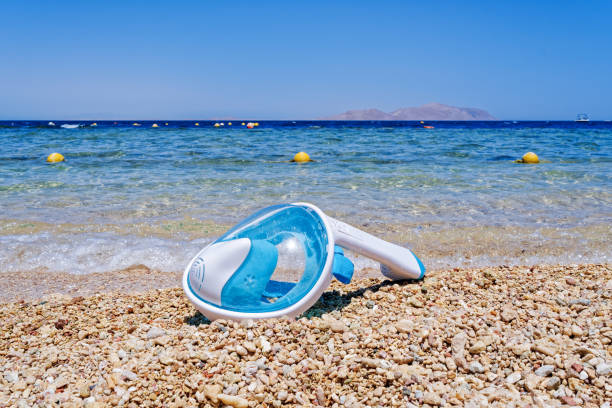
Integral integrado. El snorkel deja de existir como un tubo y se convierte en una cámara de respiración integrada en una máscara: canales de aire separados para inhalar y exhalar., protectores contra salpicaduras en la parte superior, y sin boquilla. Este formato pertenece comercialmente a la categoría de máscaras.: estante diferente, disciplina de reclamos diferentes, anexo de control de calidad diferente, como se cubre en el guía de tipos de máscaras de buceo y el Comparación de mascarillas integrales y tradicionales.
| Tipo | Manejo de agua | Partes móviles | Banda de precios | Mejor canal |
|---|---|---|---|---|
| Estilo J clásico | Ninguno: el usuario borra | Cero | Entrada | Conjuntos, promociones, paquetes para niños |
| semiseco | Cambiar + drenar | Ninguno (escudo moldeado) | Medio | Comercio minorista general, comercio electrónico |
| Seco | Sello en inmersión | válvula de flotador + sello | Superior | Resorts, compradores por primera vez, viajar |
| Integral integrado | Cámara + canales duales | Ninguno (canales fijos) | Volumen medio | Venta minorista en la playa, comercio electrónico de verano |
¿Qué tipo pertenece a qué parte de su catálogo??
Los tipos de snorkel se asignan mejor a los canales que a los precios, Así que estructure la línea según el lugar donde compra el cliente.:
- Conjuntos interiores: el estilo J o un simple tubo semiseco, Color a juego con la máscara y las aletas.. El conjunto impulsa la compra.; el snorkel no debe avergonzarlo. La economía de conjuntos está cubierta en nuestro línea de snorkel.
- Sencillo en clavija: semiseco en blister es el clásico SKU de impulso: billete bajo, reclamo claro («protector contra salpicaduras»), casi sin carga de soporte.
- Individual en el estante premium: Las cimas secas justifican las diferencias de precios reales en el comercio minorista de viajes y complejos turísticos, dónde «no se inundará» es el disparador de compra. Espere pagar por la calidad de la válvula aquí, no para el tubo.
- Tapa final de volumen de verano: formatos de cara completa. Atraen el tráfico a la sección de snorkel sin ser técnicamente snorkel, que es precisamente la razón por la que la decisión de comercialización es importante..
¿Cuáles son las diferencias en las hojas de especificaciones que los compradores se equivocan??
Tres errores de lectura recurrentes cuestan dinero real a los importadores:
El material del cañón no es el material de la boquilla.. Un barril de silicona flexible corrugado cuesta más, almacena mejor, y sobrevive pruebas de caída que rompen un tubo rígido de PVC. La boquilla (la parte que se encuentra en la boca de alguien) debe ser de silicona hipoalergénica en cualquier lugar que esté por encima del estante inferior.. Una cita que trata «Un material para todas las piezas de plástico.» es una señal de alerta de especificación, no es un descuento.
La calidad de las válvulas es una conversación sobre la calidad del molde. Los flotadores con tapa seca y sus asientos son las piezas de tolerancia más estricta en cualquier snorkel.. Dos fábricas que cotizan el mismo plano de válvula pueden producir una diferencia de cinco años en las tasas de fallas en el campo.. La pregunta de selección para los proveedores es qué fabricante de moldes corta sus herramientas de válvula y si el asiento del flotador es una geometría reemplazable separada o está moldeado en la carcasa..
Los clips Keeper y los sistemas de montaje también fallan en el comercio minorista. El clip que sujeta el tubo a la correa se rompe en la primera semana y se convierte en un ticket de soporte. Los anclajes integrados de silicona duran más que los ganchos de PC inyectados; en producto de banda superior, pregunta cuál incluye la cotización.
¿Cómo cambia el formato integral la matemática del surtido??
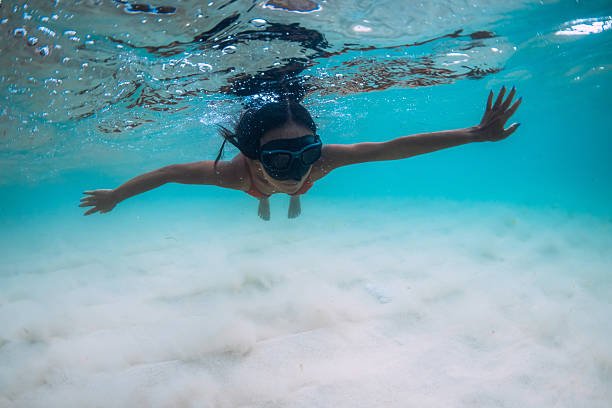
Cuando un catálogo añade máscaras de snorkel integrales, La columna de snorkel deja de ser tubos y se convierte en sistemas de respiración.. Dos consecuencias:
Primero, La canibalización es real pero rentable.: Los formatos de cara completa suelen convertir a los compradores estilo J y semisecos hacia arriba., Por lo tanto, la respuesta correcta es mantener un tubo de precio de entrada visible para comparar precios y dejar que el modelo completo lleve la historia del margen.. Segundo, el programa de calidad se divide: un proveedor de snorkel auditado en el moldeado del tubo no está calificado automáticamente en los canales de aire de la máscara, sellado superior seco, y el comportamiento del CO₂ en volúmenes cerrados. La profundidad de prueba requerida se establece en estándares de prueba de calidad de máscaras de buceo.
Los proveedores que ejecutan ambos programas honestamente lo dirán en la cotización; generalmente fábricas cuyo desarrollo de moldes e inyección es interno., como la serie de snorkel S-61 de Vanguard junto con plataformas panorámicas completas patentadas, enumerados en su totalidad en el línea de productos de snorkel.
¿Cómo se ve realmente una línea de snorkel equilibrada??

Para la mayoría de los distribuidores, una línea viable consta de cuatro a seis SKU en tres columnas:
- columna de tubo (2–3 SKU): uno estilo J, uno semiseco, uno seco, cada uno en dos o tres combinaciones de colores al mismo tiempo. 300 piezas por color, el MOQ estándar por color para la categoría.
- Establecer columna (1–2 SKU): Combinaciones máscara-snorkel-aletas MSF que llevan el calendario promocional; El tipo de snorkel dentro del set es una decisión de costo., La máscara dentro es la decisión de margen..
- Columna del sistema (1 SKU): un formato completo si el canal sesga el volumen de playa/resort/comercio electrónico.
La disciplina de reordenamiento sigue la misma lógica: Los tubos son artículos de reposición del stock. (un proveedor que mantiene inventario y despacha dentro 48 horas convierte la columna de un juego de apuestas a un juego de reposición), mientras que los SKU completos y fijos son apuestas estacionales realizadas en la ventana de pretemporada.. Cómo proteger a la fábrica detrás de cualquiera de las decisiones es el tema de Cómo encontrar un fabricante confiable de snorkel.
Una palanca más se encuentra en la parte superior de la división del tubo/conjunto/sistema.: embalaje de etiqueta privada. Un solo molde semiseco puede tener tres precios una vez finalizada la combinación de colores., El clip impreso y el blister cambian., muchos administradores de catálogos especifican deliberadamente un «bueno-mejor» Escale una herramienta en lugar de pagar por tres programas de válvulas separados. La ingeniería sigue siendo idéntica.; la diferencia percibida (y la brecha de margen) se gana en el empacador, Es por eso que la misma conversación con el proveedor que decide la calidad de la válvula también debe abarcar la combinación de colores., impresión de clips personalizados y agrupación de conjuntos. Fábricas que ejecutan inyección., El desarrollo de moldes y el embalaje bajo un mismo techo hacen que la construcción de la escalera sea barata.; Los comerciantes que subcontratan los límites rara vez pueden.
Preguntas frecuentes
¿Vale la pena el precio superior de un snorkel seco para principiantes??
Para el comprador por primera vez, Sí, la válvula de flotador elimina el evento de inundación que los principiantes interpretan como falla., y el producto cumple su promesa. Para los mayoristas, el matiz es que solo vale la pena cobrar la prima cuando la válvula está bien labrada.; una tapa seca y barata se inunda de todos modos y daña el reclamo de categoría para todos los que están en el estante.
¿Los apneístas utilizan snorkels secos??
Casi nunca. Los apneistas descienden, y una parte superior seca añade arrastre y ecualización en profundidad.; El tubo de apnea estándar es un sencillo, semiseco de bajo perfil o estilo J con un barril flexible. Este es un hecho del canal que los minoristas deberían respetar.: vender camisetas secas en una cuenta de apnea es un desajuste de comercialización, y vender válvulas estilo J a los novatos del resort deja a la banda premium vacía.
¿Se puede utilizar un snorkel con el equipo de buceo como respaldo??
en la superficie, Sí, muchos buceadores mantienen un tubo simple para nadar en la superficie para conservar el aire del tanque., y los tubos estilo J se adaptan a esa función porque se enganchan a la correa de la máscara sin accesorios de válvula en el espacio del regulador.. Debajo de la superficie, un snorkel no es un aparato respiratorio a ninguna profundidad., cuál es la línea de posicionamiento que todo retailer debe mantener visible en el cross-sell, especialmente cuando un comprador compara un snorkel con una configuración de buceo con regulador.
¿Qué MOQ debe llevar un surtido de snorkel??
La norma de categoría para la producción de herramientas en existencia es 300 piezas por color. Para una línea de cuatro a seis SKU, eso significa planificar los colores de manera estricta: dos combinaciones de colores en el héroe semiseco, uno en el estilo J de cola larga, en lugar de diluir un modelo en seis colores. Las fábricas con inventario listo para enviar le permiten probar combinaciones de colores por debajo de ese umbral antes de dedicar tiempo a las herramientas..