لتجار التجزئة B2B في مجال معدات الغطس والغوص, يعد الاختيار بين أقنعة الغطس ذات الوجه الكامل وأقنعة الغوص التقليدية قرارًا تجاريًا يؤثر على الهامش, معدلات العودة, ورضا العملاء. كلتا الفئتين لهما ملفات تعريف مميزة للمشتري, نقاط السعر, واعتبارات سلسلة التوريد.
تقوم هذه المقالة بتحليل الاختلافات على مستوى المنتج, تحديد المواقع في السوق, وعوامل المصادر بحيث الموزعين, سلاسل البيع بالتجزئة في الهواء الطلق, ويمكن للعلامات التجارية الخاصة اتخاذ قرارات تخزين مستنيرة.
الوجبات الرئيسية
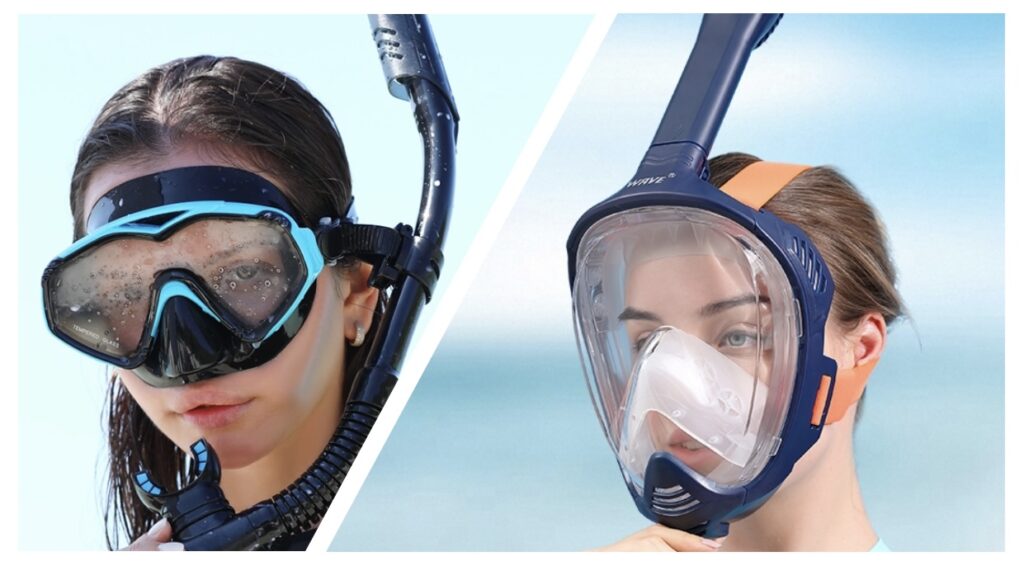
تخدم أقنعة الوجه الكاملة والأقنعة التقليدية شرائح مختلفة من العملاء. يستحوذ تجار التجزئة الذين يقومون بالتخزين على مجموعة أكبر من المشترين ويقللون من مخاطر فقدان المبيعات للمتاجر ذات التنسيق الفردي.
- أقنعة الوجه الكاملة قم بتغطية الوجه بالكامل بعدسة بانورامية وأنبوب تنفس متكامل - مثالي للمبتدئين ومشغلي السياحة.
- أقنعة الغوص التقليدية استخدم تصميمًا مزدوج العدسات مع جيب منفصل للأنف - يفضله الغواصون ذوو الخبرة والغواصون الأحرار.
- تتطلب أقنعة الوجه الكاملة هوامش بيع بالتجزئة أعلى (40-60%) ولكن تحمل معدلات عائد أعلى إذا كان الحجم سيئًا.
- تتمتع الأقنعة التقليدية بهوامش أقل لكل وحدة ولكن معدلات إرجاع أقل بشكل ملحوظ ونطاقات ملاءمة أوسع.
- يختلف تعقيد التصنيع: تتطلب أقنعة الوجه الكاملة تجميعًا متعدد المكونات واختبارًا جافًا لمراقبة الجودة; الأقنعة التقليدية أسهل في الإنتاج والفحص.
ما هو قناع الغطس لكامل الوجه?
قناع من قطعة واحدة يغطي الوجه بالكامل, مما يسمح بالتنفس الطبيعي من خلال الأنف والفم مع منطقة رؤية بانورامية.
قناع غص كامل الوجه يدمج العدسة, جيبة, وأنبوب التنفس في وحدة واحدة. يتنفس المستخدم بشكل طبيعي من خلال الأنف أو الفم، ولا يوجد قطعة فموية يمكن العض عليها. يفصل نظام قناة تدفق الهواء المزدوج الهواء المستنشق والزفير لتقليل الضباب.
خصائص التصميم
| ميزة | مواصفة |
|---|---|
| نوع العدسة | زجاج مقسى بانورامي واحد أو بولي كربونات, 180° عرض |
| مادة التنورة | سيليكون صالح للطعام, هيبوالرجينيك |
| أنبوب التنفس | تركيب علوي مدمج مع صمام علوي جاف (بعض النماذج) |
| نظام الحزام | حزام من القماش المطاطي, في كثير من الأحيان سقاطة قابلة للتعديل |
| وزن | 350-550 جرام |
| تصنيف العمق | السطح إلى ~ 1.5 م (الغطس الترفيهي فقط) |
تم تصميم أقنعة الوجه الكاملة للغطس على مستوى السطح. وهي غير مصممة للغوص تحت الماء أو الغوص الحر العميق لأن حجم الهواء داخل القناع يجعل من الصعب معادلة الحجم بالأسفل 1.5 متر.
ما هو قناع الغوص التقليدي?
تصميم القناع المتوافق مع معايير الصناعة المستخدم في الغطس, الغوص, والغوص الحر - يتم تقييمه نظرًا لحجمه الداخلي المنخفض, ختم موثوق, ونطاق مناسب واسع.
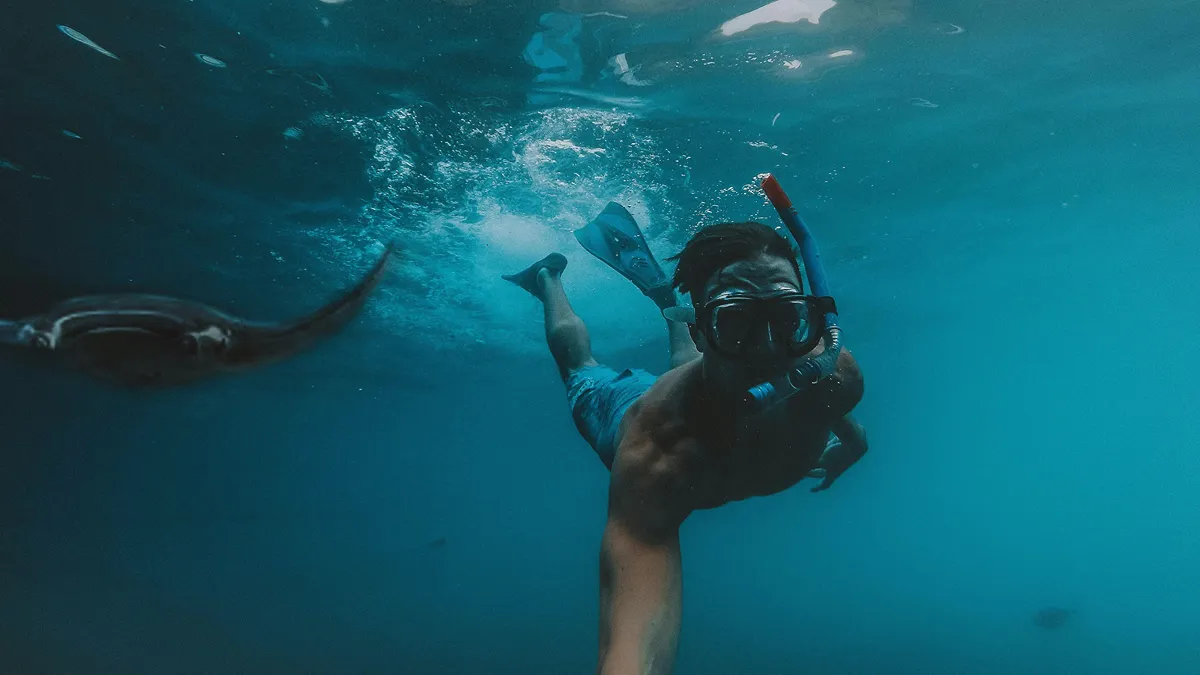
يستخدم قناع الغوص التقليدي عدستين منفصلتين (أو عدسة واحدة في بعض الموديلات) موضوعة في إطار من السيليكون مع جيب للأنف. يتنفس المستخدم من خلال أنبوب تنفس منفصل متصل بحزام القناع أو مثبت في الفم.
خصائص التصميم
| ميزة | مواصفة |
|---|---|
| نوع العدسة | عدسات زجاجية مزدوجة أو عدسة واحدة, 120– عرض 160 درجة |
| مادة التنورة | مطاط السيليكون السائل (LSR), الصف الطبي |
| اشنركل | متفرق, مشبك أو مثبت على الحزام |
| نظام الحزام | حزام سيليكون مقسم مع أبازيم قابلة للتعديل بشكل دقيق |
| وزن | 150-280 جرام |
| تصنيف العمق | سطح ل 30+ م (تصنيف الغطس/الغوص الحر) |
تعمل الأقنعة التقليدية عبر نطاق العمق الكامل — بدءًا من الغطس السطحي وحتى الغوص التقني والغوص الحر التنافسي. يعني الغطس المنفصل أن القناع يمكن تحسينه فقط من أجل الغلق والرؤية دون استيعاب أنبوب التنفس.
مقارنة وجهاً لوجه لتجار التجزئة B2B
يغطي الجدول أدناه العوامل الأكثر أهمية للشراء, الترويج, وما بعد البيع.
| معيار | قناع الوجه الكامل | القناع التقليدي |
|---|---|---|
| نطاق أسعار التجزئة (دولار أمريكي) | $25– 80 دولارًا | $15– 60 دولارًا |
| نطاق تكلفة فوب | $6– 18 دولارًا | $3– 12 دولارًا |
| الهامش الإجمالي | 40-65% | 35-55% |
| معدل العودة (عادي) | 8-15% (مشاكل الحجم/الملاءمة) | 2–5% |
| المستخدم النهائي المستهدف | مبتدئين, العائلات, السياحة | السباحين ذوي الخبرة, الغواصين, freedivers |
| نداء الرف | عالية - كبيرة, ملفتة للنظر | معتدل - مضغوط, احترافي |
| موك (مصنع) | 300– 500 قطعة | 200– 500 قطعة |
| مهلة | 25– 40 يومًا | 15– 30 يومًا |
| تعقيد مراقبة الجودة | أعلى - تجميع متعدد الأجزاء, اختبار تدفق الهواء | أقل - اختبار التسرب + مرئي |
| الشهادات المطلوبة | م, ادارة الاغذية والعقاقير, في 16804 (الغطس) | م, في 1972 (الغوص), ادارة الاغذية والعقاقير |
إشارات الطلب في السوق
يُظهر كلا النوعين من الأقنعة طلبًا قويًا ومتزايدًا, لكن ملفات تعريف المشتري تختلف بشكل كبير.
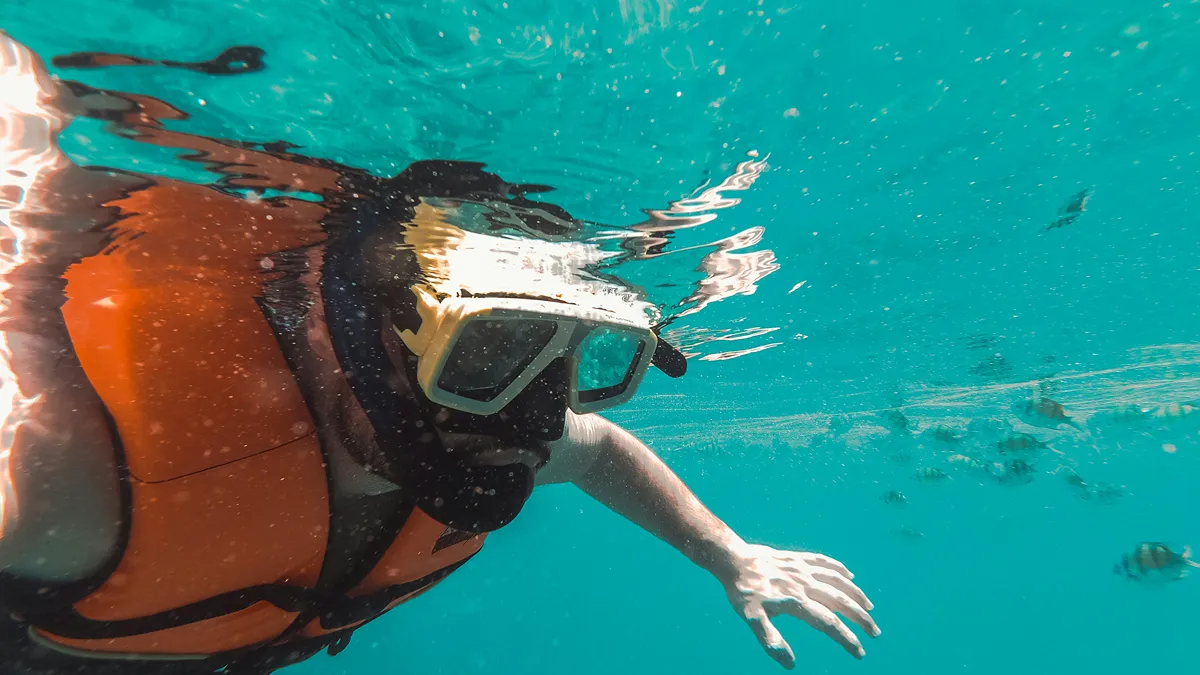
شهدت أقنعة الغطس ذات الوجه الكامل نموًا سريعًا في قطاع الغطس الترفيهي, يقودها مشغلو السياحة, محلات هدايا المنتجع, والعلامات التجارية DTC عبر الإنترنت. إن جاذبيتها البصرية وسهولة استخدامها تجعلها صديقة للشراء الاندفاعي - وهي ميزة رئيسية لتجار التجزئة في الوجهات السياحية.
تظل الأقنعة التقليدية هي الخيار السائد في قطاعات الغطس والغوص الحر. الطلب أكثر ثباتا وأقل موسمية, مدفوعة من قبل وكالات التصديق, محلات الغوص, ودورات استبدال المعدات. هؤلاء المشترون يعتمدون أكثر على المواصفات وأكثر ولاءً للعلامة التجارية.
أين يوجد النمو؟
- السياحة & مشغلي الإيجار — تهيمن أقنعة الوجه الكاملة على الأساطيل المستأجرة لأنها صحية (لا المعبرة), من السهل أن تناسب, وتقليل وقت التدريس.
- البيع بالتجزئة عبر الإنترنت / أمازون - تتمتع أقنعة الوجه الكاملة بـ AOV أعلى وتحويل مراجعة أفضل نظرًا لخصائصها “عامل نجاح باهر” تصوير المنتج.
- محلات الغوص & مراكز التصديق - الأقنعة التقليدية هي عملية شراء متكررة مرتبطة بالدورات التدريبية وتحديث المعدات.
- العلامات التجارية الخاصة - يوفر كلا التنسيقين فرص تصنيع المعدات الأصلية/تصنيع التصميم الشخصي, لكن الأقنعة التقليدية لها تكاليف أدوات أقل ودورات تكرار أسرع.
اعتبارات التصنيع وسلسلة التوريد
تتطلب أقنعة الوجه الكاملة أدوات أكثر تعقيدًا ومراقبة الجودة; الأقنعة التقليدية أبسط ولكنها تتطلب رقابة أكثر صرامة على المواد.
تتضمن عملية تصنيع أقنعة الوجه الكاملة قوالب حقن متعددة (إطار العدسة, جيبة, الإسكان أنبوب, الصمامات) وخطوات التجميع. يجب أن تجتاز كل وحدة اختبار تسرب الضغط الإيجابي والتحقق من تدفق الهواء. تتراوح معدلات العيوب على مستوى المصنع عادةً ما بين 3 إلى 5%.
تستخدم الأقنعة التقليدية مكونات أقل — عادةً إطار العدسة, تنورة سيليكون, حزام, ومجموعة مشبك. نقطة التفتيش الرئيسية لمراقبة الجودة هي اختبار ختم الضغط السلبي. معدلات العيوب أقل (1–2%) وإنتاجية الإنتاج أعلى.
| عامل سلسلة التوريد | قناع الوجه الكامل | القناع التقليدي |
|---|---|---|
| عدد العفن | 4– 6 قوالب | 2– 3 قوالب |
| تكلفة العفن (دولار أمريكي) | $8,000– 25000 دولار | $3,000– 10,000 دولار |
| خطوات التجميع | 8-12 | 4-6 |
| اختبار مراقبة الجودة لكل وحدة | ضغط + تدفق الهواء + مرئي | ضغط + مرئي |
| مهلة أدوات العلامة الخاصة | 30– 45 يومًا | 15– 25 يومًا |
لتجار التجزئة الذين يفكرون في برامج العلامات التجارية الخاصة, توفر الأقنعة التقليدية حاجزًا أقل للدخول. تتطلب أقنعة الوجه الكاملة استثمارًا أكبر في الأدوات الأولية ولكنها توفر قيمة وهامشًا أعلى.
تحليل شريحة العملاء: من يشتري ماذا
يساعد فهم شرائح المستخدم النهائي تجار التجزئة على تخصيص مساحة الرفوف وميزانية التسويق بشكل فعال.
| شريحة العملاء | التنسيق المفضل | لماذا |
|---|---|---|
| مشغلي السياحة / المنتجعات | وجه كامل | سهل التركيب, صحية (لا المعبرة), حاجة إلى تعليمات أقل |
| المصطافون العائليون | وجه كامل | الأطفال والمبتدئين يتكيفون بسرعة; المنظر البانورامي هو نقطة بيع |
| محلات الغوص / مراكز بادي | تقليدي | يحتاج الطلاب إلى أقنعة متوافقة مع منظمات الغوص والعمق |
| الغواصين الأحرار | تقليدي | الحجم الداخلي المنخفض يتيح سهولة المعادلة في العمق |
| العلامات التجارية DTC على الإنترنت | كلاهما | الوجه الكامل للمشترين الدافع; تقليدي للمشترين المتحمسين المتكررين |
| سلاسل البيع بالتجزئة في الهواء الطلق | كلاهما | قم بتخزين كليهما لتغطية رحلة العميل الكاملة من المبتدئين إلى المتقدمين |
استراتيجية المخزون والتسويق
يمكن لتجار التجزئة الذين يقومون بتخزين كلا التنسيقين التقاط رحلة المشتري الكاملة - بدءًا من الغطس لأول مرة وحتى الغواص المعتمد.
لتجار التجزئة الذين يدخلون فئة أقنعة الرياضات المائية, النهج العملي هو البدء بالأقنعة التقليدية (انخفاض الاستثمار, مخاطر أقل) وإضافة أقنعة الوجه الكاملة مع نمو قاعدة العملاء.
مزيج الأسهم الموصى به
- محلات البيع بالتجزئة في المنطقة السياحية: 60% وجه كامل / 40% التقليدية - الاستفادة من الطلب الدافع واستبدال الإيجار.
- محلات الغوص: 20% وجه كامل / 80% التقليدية - تخدم مجتمع الغوص الحر والغوص الأساسي.
- العموميين على الانترنت: 50/50 انقسام - استخدم الوجه الكامل كسائق حركة المرور والتقليدي كعنصر الشراء المتكرر.
- تجار التجزئة في الهواء الطلق الكبيرة: احملهما بوجه كامل في عبوات متميزة وتقليدية في عبوات قيمة (قناع + التحرير والسرد اشنركل).
معايير الجودة والسلامة
كلا النوعين من الأقنعة يتطلبان شهادة, لكن المعايير المطبقة تختلف حسب حالة الاستخدام.
عند الحصول على مصادر من الشركات المصنعة, يجب على تجار التجزئة التحقق مما يلي:
- علامة CE - مطلوبة لجميع أقنعة الغطس والغوص المباعة في الاتحاد الأوروبي. أقنعة الوجه الكاملة تندرج تحت EN 16804 (معدات الغطس); أقنعة الغوص التقليدية تحت EN 1972.
- تسجيل ادارة الاغذية والعقاقير - مطلوب للسوق الأمريكية. يجب أن تتوافق مواد السيليكون مع إدارة الغذاء والدواء 21 CFR 177.2600 للتلامس المتكرر مع الجلد.
- سلامة المواد - يجب أن تكون مادة التنورة من السيليكون الغذائي أو الطبي. تجنب التنانير المصنوعة من مادة PVC أو TPR التي يتم تسويقها على أنها “يشبه السيليكون” - تسبب تهيج الجلد ولها ذاكرة ختم ضعيفة.
- مادة العدسة - الزجاج المقسى هو المعيار للأقنعة التقليدية; يعتبر البولي كربونات شائعًا في أقنعة الوجه الكاملة. يجب أن تحمل عدسات البولي كربونات معدل مقاومة الصدمات (ANSI Z87.1 أو ما يعادله).
- تراكم ثاني أكسيد الكربون — يجب أن تُظهر أقنعة الوجه الكاملة تصميمًا منخفض المساحة الميتة. يستخدم المصنعون ذوو السمعة الطيبة أنظمة تدفق الهواء ذات الغرفة المزدوجة; يمكن أن تتسبب التصميمات الأرخص ذات القناة الواحدة في تراكم ثاني أكسيد الكربون أثناء الاستخدام الممتد.
التنسيق الذي يناسب عملك?
يعتمد الاختيار الصحيح على ملف تعريف العميل الخاص بك, ليس على المنتج الذي هو “أحسن” في العزل.
| إذا كان عملك… | ابدأ بـ… | لأن… |
|---|---|---|
| سياحة / مورد المنتجع | وجه كامل | هامش أعلى, أسهل لتناسب السياح, صديقة للتأجير |
| متجر الغوص أو مركز PADI | تقليدي | يحتاج الطلاب إلى أقنعة ذات تصنيف عميق; انخفاض معدل العائد |
| أمازون / العلامة التجارية دي تي سي | الوجه الكامل أولا, ثم التقليدية | الوجه الكامل يدفع حركة المرور الأولية; يبني التقليدية تكرار الشراء |
| موزع بالجملة | كلاهما من اليوم الأول | سوف يرغب عملاء التجزئة لديك في الحصول على كليهما; تقديم التسعير المجمعة |
| شركة ناشئة ذات علامة خاصة | تقليدي | انخفاض تكلفة الأدوات, وقت وصول أسرع إلى السوق, مراقبة الجودة أبسط |
الأسئلة الشائعة للمشترين B2B
هل يمكن استخدام قناع الوجه الكامل للغوص؟?
لا. تم تصميم أقنعة الغطس لكامل الوجه للاستخدام السطحي فقط. ارتفاع حجم الهواء الداخلي يجعل المعادلة مستحيلة أدناه 1.5 متر, ولا يمكن للأنبوب المدمج الاتصال بمنظم الغوص. تقوم بعض الشركات المصنعة بتطوير أقنعة الوجه الكاملة ذات التصنيف المخصص للغوص, لكن هذه لم يتم اعتمادها أو توفرها على نطاق واسع بعد.
ما هو موك النموذجي لأوامر العلامة الخاصة?
لأقنعة الوجه الكاملة, نتوقع موك من 300-500 قطعة لكل لون. للأقنعة التقليدية, تبدأ موك في 200 قِطَع. تقدم بعض المصانع موك أقل (100 جهاز كمبيوتر شخصى) للطلب الأول لدعم العلامات التجارية الجديدة, مع علاوة سعرية تتراوح بين 10-15%.
كيف يمكنني تقليل معدلات الإرجاع على أقنعة الوجه الكاملة?
السببان الرئيسيان للعائدات هما سوء الملاءمة (35% من العائدات) والتعفير (25%). خيارات حجم المخزون 2-3 (ق/م, م/ل, XL) وتضمين بطاقة الحجم في العبوة. للتعفير, مصدر من المصانع بتصميمات قنوات تدفق الهواء المزدوجة ويتضمن بطاقة تعليمات المعالجة المسبقة المضادة للضباب.
ما هي الشهادات التي يجب أن أطلبها من المصنع؟?
على الأقل: م (في 16804 لأقنعة الغطس), الامتثال للمواد FDA (21 CFR 177.2600), وتقرير تدقيق الطرف الثالث (بي إس سي آي, ثلاثة, أو ISO 9001). للأقنعة التقليدية ذات التصنيف الغطس, بالإضافة إلى ذلك طلب EN 1972 شهادة.
كم من الوقت يستغرق تطوير قناع خاص ذو علامة تجارية خاصة؟?
للأقنعة التقليدية ذات اللون/الشعار المخصص: 20– 30 يومًا من الموافقة. لأقنعة الوجه الكاملة مع قالب مخصص: 45– 60 يومًا. في حالة استخدام القالب الموجود في المصنع مع علامتك التجارية (طباعة الوسادة أو النقش بالليزر), تنخفض المهلة إلى 15-20 يومًا لكلا النوعين.
خاتمة
أقنعة الغطس لكامل الوجه وأقنعة الغوص التقليدية ليست منتجات منافسة - فهي متكاملة. تجار التجزئة الذين يقدمون أفضل أداء في هذه الفئة يخزنون كليهما, وضع كل منها تجاه شريحة عملائها الطبيعية, واستخدم الهامش من أقنعة الوجه الكاملة لدعم الحجم من الأقنعة التقليدية.
سواء كنت شركة سياحية تقوم بتوريد معدات التأجير, متجر غوص يبني جدار البيع بالتجزئة الخاص بك, أو علامة تجارية تطلق أول خط علامتك الخاصة, المفتاح هو مطابقة المنتج مع مستوى مهارة المستخدم النهائي وحالة الاستخدام - ثم العمل مع الشركة المصنعة التي يمكنها تقديم جودة متسقة في موك المناسب.
هل تبحث عن شركة مصنعة موثوقة لأقنعة الغطس والغوص? الطليعة للسباحة (شينغفنغ) أنتجت أكثر من 5 مليون قناع مع 50+ براءات الاختراع, ايزو 9001 / م / ادارة الاغذية والعقاقير / شهادة BSCI, وإرسال عينة لمدة 48 ساعة. طلب عرض أسعار أو تعرف على قدرات مصنعنا.