Für B2B-Händler im Bereich Schnorchel- und Tauchausrüstung, Die Wahl zwischen Vollgesichts-Schnorchelmasken und traditionellen Tauchmasken ist eine Merchandising-Entscheidung, die sich auf die Marge auswirkt, Rücklaufquoten, und Kundenzufriedenheit. Beide Kategorien haben unterschiedliche Käuferprofile, Preispunkte, und Überlegungen zur Lieferkette.
In diesem Artikel werden die Unterschiede auf Produktebene erläutert, Marktpositionierung, und Beschaffungsfaktoren, damit Händler, Outdoor-Einzelhandelsketten, und Handelsmarken können fundierte Lagerentscheidungen treffen.
Key Takeaways
Vollgesichtsmasken und traditionelle Masken bedienen unterschiedliche Kundensegmente. Einzelhändler, die ihre Produkte auf Lager haben, erschließen einen größeren Käuferkreis und verringern gleichzeitig das Risiko von Umsatzeinbußen gegenüber Monoformat-Läden.
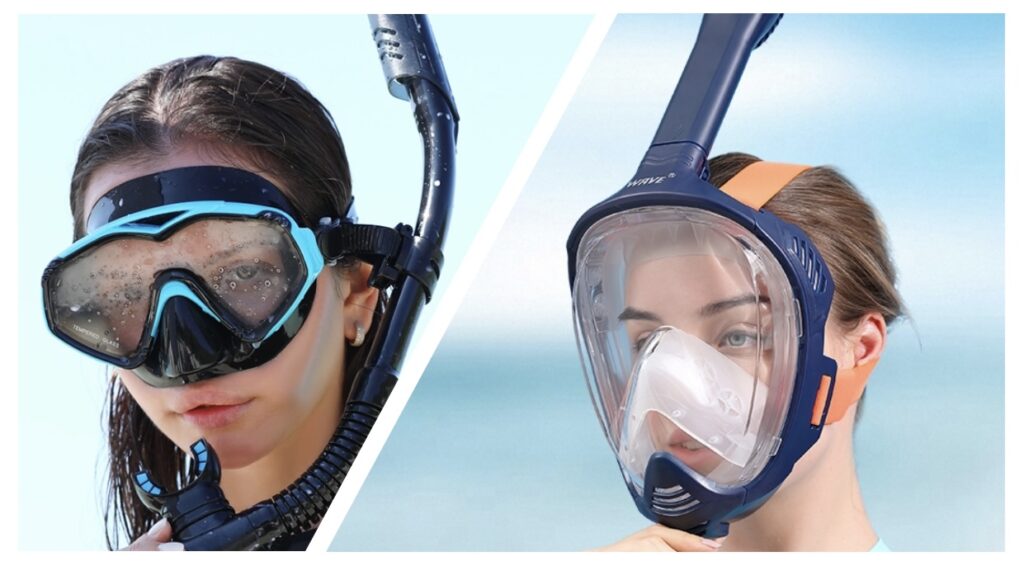
- Vollgesichtsmasken Decken Sie das gesamte Gesicht mit einer Panoramalinse und einem integrierten Atemschlauch ab – ideal für Einsteiger und Tourismusbetreiber.
- Traditionelle Tauchmasken Verwenden Sie ein Doppellinsen-Design mit separater Nasentasche – bevorzugt von erfahrenen Tauchern und Freitauchern.
- Vollgesichtsmasken erzielen höhere Einzelhandelsmargen (40–60 %) aber bei schlechter Größe sind die Rücklaufquoten höher.
- Herkömmliche Masken haben geringere Margen pro Einheit, aber deutlich geringere Rücklaufquoten und breitere Passformbereiche.
- Die Komplexität der Herstellung ist unterschiedlich: Vollgesichtsmasken erfordern eine Mehrkomponentenmontage und eine Trockentest-Qualitätskontrolle; Herkömmliche Masken sind einfacher herzustellen und zu prüfen.
Was ist eine Vollgesichts-Schnorchelmaske??
Eine einteilige Maske, die das gesamte Gesicht bedeckt, Ermöglicht eine natürliche Atmung durch Nase und Mund mit Panoramablick.
Eine Vollgesichts-Schnorchelmaske integriert das Objektiv, Rock, und Atemschlauch in einer Einheit. Der Benutzer atmet auf natürliche Weise durch Nase oder Mund – es gibt kein Mundstück, auf das man beißen kann. Ein Dual-Airflow-Kanalsystem trennt die eingeatmete und ausgeatmete Luft, um ein Beschlagen zu reduzieren.
Designmerkmale
| Besonderheit | Spezifikation |
|---|---|
| Linsentyp | Einzelnes Panorama-Hartglas oder Polycarbonat, 180° Ansicht |
| Rockmaterial | Silikon in Lebensmittelqualität, hypoallergen |
| Atemschlauch | Integrierte Topmontage mit Dry-Top-Ventil (einige Modelle) |
| Riemensystem | Elastisches Stoffband, oft verstellbare Ratsche |
| Gewicht | 350–550 g |
| Tiefenbewertung | Oberfläche bis ~1,5 m (Nur Freizeitschnorcheln) |
Vollgesichtsmasken sind für das Schnorcheln an der Oberfläche konzipiert. Sie sind nicht für Gerätetauchen oder tiefes Freitauchen konzipiert, da das Luftvolumen in der Maske den Druckausgleich unten erschwert 1.5 Meter.
Was ist eine traditionelle Tauchmaske??
Das branchenübliche Maskendesign, das beim Schnorcheln verwendet wird, Tauchen, und Freitauchen – geschätzt für sein geringes Innenvolumen, zuverlässige Abdichtung, und breites Passformspektrum.
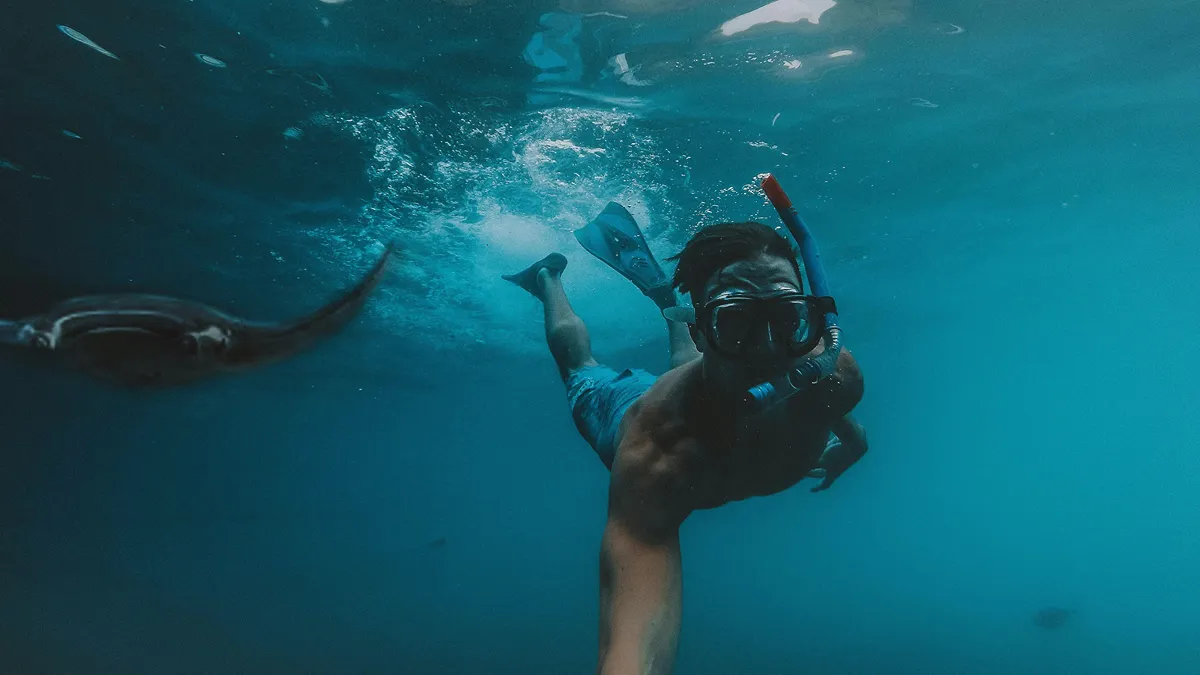
Eine traditionelle Tauchmaske verwendet zwei separate Linsen (oder ein einzelnes Objektiv in einigen Modellen) eingefasst in einen Silikonrahmen mit Nasentasche. Der Benutzer atmet durch einen separaten Schnorchel, der am Maskenband befestigt ist oder im Mund gehalten wird.
Designmerkmale
| Besonderheit | Spezifikation |
|---|---|
| Linsentyp | Doppellinsen aus gehärtetem Glas oder Einzellinse, 120–160°-Ansicht |
| Rockmaterial | Flüssiger Silikonkautschuk (LSR), medizinische Qualität |
| Schnorchel | Separate, Aufsteck- oder Riemenmontage |
| Riemensystem | Geteiltes Silikonarmband mit mikroverstellbaren Schnallen |
| Gewicht | 150–280 g |
| Tiefenbewertung | Oberfläche zu 30+ M (Tauch-/Freitauchen-Bewertung) |
Herkömmliche Masken funktionieren im gesamten Tiefenbereich – vom Oberflächenschnorcheln über technisches Tauchen bis hin zum Wettkampf-Freitauchen. Durch den separaten Schnorchel kann die Maske rein auf Dichtheit und Sicht optimiert werden, ohne dass ein Atemschlauch untergebracht werden muss.
Direkter Vergleich für B2B-Händler
Die folgende Tabelle deckt die Faktoren ab, die für den Kauf am wichtigsten sind, Merchandising, und After-Sales.
| Kriterium | Vollgesichtsmaske | Traditionelle Maske |
|---|---|---|
| Einzelhandelspreisspanne (USD) | $25–80 $ | $15–60 $ |
| FOB-Kostenspanne | $6–18 $ | $3–12 $ |
| Bruttomarge | 40–65 % | 35–55 % |
| Rücklaufquote (typisch) | 8–15 % (Größen-/Passformprobleme) | 2–5 % |
| Zielendbenutzer | Anfänger, Familien, Tourismus | Erfahrene Schnorchler, Taucher, Freitaucher |
| Regalattraktivität | Hoch – groß, optisch auffällig | Mäßig – kompakt, Professional |
| Mindestbestellmenge (Fabrik) | 300–500 Stk | 200–500 Stk |
| Vorlaufzeit | 25–40 Tage | 15–30 Tage |
| QC-Komplexität | Höher – mehrteilige Montage, Luftstromprüfung | Unten – Dichtheitsprüfung + visuell |
| Zertifizierungen erforderlich | CE, FDA, IN 16804 (Schnorcheln) | CE, IN 1972 (Tauchen), FDA |
Marktnachfragesignale
Beide Maskentypen verzeichnen eine starke und wachsende Nachfrage, doch die Käuferprofile unterscheiden sich deutlich.
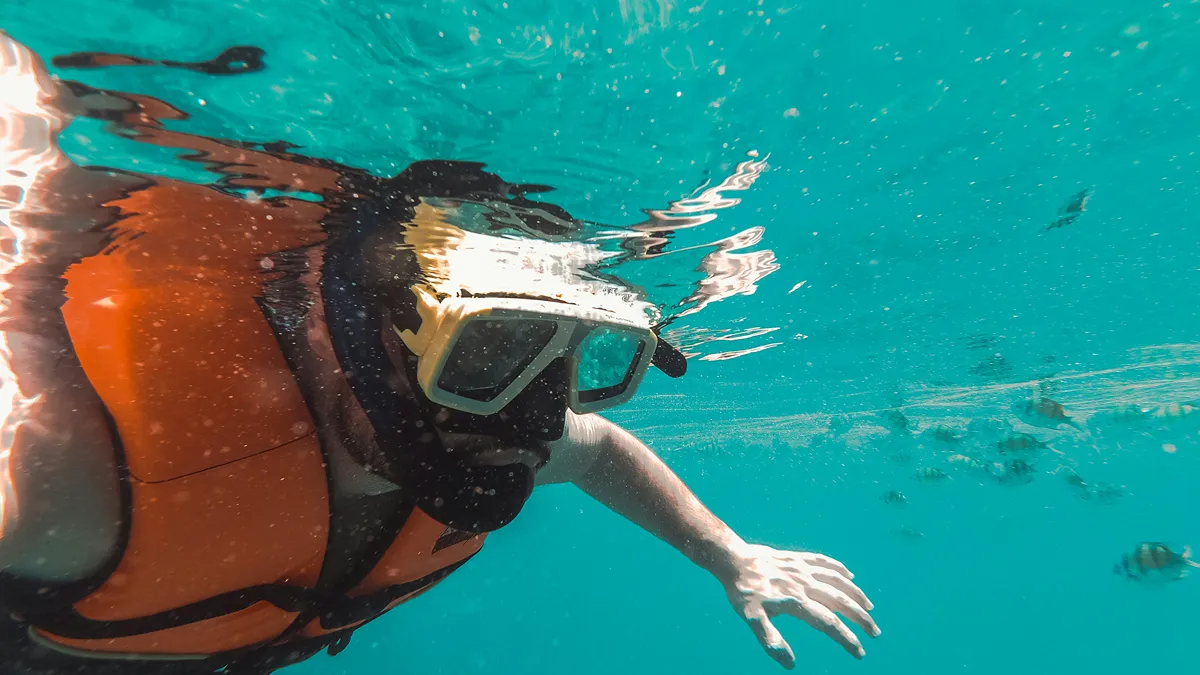
Vollgesichts-Schnorchelmasken haben im Segment des Freizeitschnorchelns ein rasantes Wachstum erlebt, angetrieben von Tourismusunternehmen, Souvenirläden im Resort, und Online-DTC-Marken. Ihre optische Attraktivität und Benutzerfreundlichkeit machen sie für Impulskäufe geeignet – ein entscheidender Vorteil für Einzelhändler in Touristenzielen.
Traditionelle Masken sind nach wie vor die vorherrschende Wahl im Sport- und Freitauchsegment. Die Nachfrage ist stabiler und weniger saisonabhängig, wird von Zertifizierungsstellen betrieben, Tauchshops, und Geräteaustauschzyklen. Diese Käufer sind eher spezifikationsorientiert und markentreuer.
Wo das Wachstum ist
- Tourismus & Vermieter — Vollgesichtsmasken dominieren die Mietflotten, weil sie hygienisch sind (kein Mundstück), einfach zu montieren, und die Unterrichtszeit verkürzen.
- Online-Handel / Amazonas – Vollgesichtsmasken haben aufgrund ihrer Größe einen höheren AOV und eine bessere Bewertungsumwandlung „Wow-Faktor“ Produktfotografie.
- Tauchshops & Zertifizierungszentren — Herkömmliche Masken sind ein wiederkehrender Kauf, der an Schulungen und Ausrüstungs-Upgrades gebunden ist.
- Private-Label-Marken — Beide Formate bieten OEM/ODM-Möglichkeiten, Herkömmliche Masken haben jedoch geringere Werkzeugkosten und schnellere Iterationszyklen.
Überlegungen zur Herstellung und Lieferkette
Vollgesichtsmasken erfordern komplexere Werkzeuge und Qualitätskontrollen; Herkömmliche Masken sind einfacher, erfordern jedoch eine strengere Materialkontrolle.
Der Herstellungsprozess für Vollgesichtsmasken umfasst mehrere Spritzgussformen (Linsenrahmen, Rock, Rohrgehäuse, Ventile) und Montageschritte. Jede Einheit muss einen Überdruck-Lecktest und eine Luftstromprüfung bestehen. Die Fehlerquote auf Fabrikebene liegt typischerweise bei 3–5 %..
Herkömmliche Masken verwenden weniger Komponenten – typischerweise einen Linsenrahmen, Silikonrock, Gurt, und Schnallensatz. Der Hauptkontrollpunkt der Qualitätskontrolle ist der Unterdruck-Dichtungstest. Die Fehlerquoten sind niedriger (1–2 %) und der Produktionsdurchsatz ist höher.
| Supply-Chain-Faktor | Vollgesichtsmaske | Traditionelle Maske |
|---|---|---|
| Schimmel zählen | 4–6 Formen | 2–3 Formen |
| Formkosten (USD) | $8,000–25.000 $ | $3,000–10.000 $ |
| Montageschritte | 8–12 | 4–6 |
| QC-Test pro Einheit | Druck + Luftstrom + visuell | Druck + visuell |
| Vorlaufzeit für Private-Label-Werkzeuge | 30–45 Tage | 15–25 Tage |
Für Einzelhändler, die Eigenmarkenprogramme in Betracht ziehen, Herkömmliche Masken bieten eine geringere Eintrittsbarriere. Vollgesichtsmasken erfordern größere Vorabinvestitionen in die Werkzeugausstattung, bieten aber einen höheren wahrgenommenen Wert und eine höhere Marge.
Kundensegmentanalyse: Wer kauft was?
Das Verständnis der Endbenutzersegmente hilft Einzelhändlern dabei, Regalflächen und Marketingbudgets effektiv zuzuordnen.
| Kundensegment | Bevorzugtes Format | Warum |
|---|---|---|
| Tourismusveranstalter / Resorts | Volles Gesicht | Einfach zu montieren, hygienisch (kein Mundstück), weniger Unterricht erforderlich |
| Familienurlauber | Volles Gesicht | Kinder und Anfänger gewöhnen sich schnell daran; Panoramablick ist ein Verkaufsargument |
| Tauchshops / PADI-Zentren | Traditionell | Die Schüler benötigen Masken, die mit den Atemreglern und der Tauchtiefe kompatibel sind |
| Freitaucher | Traditionell | Das geringe Innenvolumen ermöglicht einen einfachen Ausgleich in der Tiefe |
| Online-DTC-Marken | Beide | Volles Gesicht für Impulskäufer; traditionell für wiederkehrende begeisterte Käufer |
| Outdoor-Einzelhandelsketten | Beide | Lagern Sie beide, um die gesamte Customer Journey vom Anfänger bis zum Fortgeschrittenen abzudecken |
Inventar- und Merchandising-Strategie
Einzelhändler, die beide Formate führen, können die gesamte Käuferreise erfassen – vom Schnorchler, der zum ersten Mal schnorchelt, bis zum zertifizierten Taucher.
Für Einzelhändler, die in die Kategorie Wassersportmasken einsteigen, Ein praktischer Ansatz besteht darin, mit traditionellen Masken zu beginnen (geringere Investition, geringeres Risiko) und fügen Sie Vollgesichtsmasken hinzu, wenn der Kundenstamm wächst.
Empfohlene Aktienmischung
- Einzelhandelsgeschäfte im touristischen Gebiet: 60% volles Gesicht / 40% traditionell – Profitieren Sie von Impulsnachfrage und Mietersatz.
- Tauchshops: 20% volles Gesicht / 80% traditionell – dienen der Kern-Tauch- und Freitauchgemeinschaft.
- Online-Generalisten: 50/50 Split – Verwenden Sie das Vollgesicht als Verkehrstreiber und das herkömmliche als Wiederholungskaufartikel.
- Große Outdoor-Einzelhändler: Tragen Sie beides mit vollem Gesicht in Premium-Verpackungen und traditionell in Vorteilspackungen (Maske + Schnorchel-Kombination).
Qualitäts- und Sicherheitsstandards
Für beide Maskentypen ist eine Zertifizierung erforderlich, Die geltenden Standards unterscheiden sich jedoch je nach Anwendungsfall.
Bei der Beschaffung von Herstellern, Einzelhändler sollten Folgendes überprüfen:
- CE-Kennzeichnung — erforderlich für alle in der EU verkauften Schnorchel- und Tauchmasken. Vollmasken fallen unter EN 16804 (Schnorchelausrüstung); Traditionelle Tauchmasken unter EN 1972.
- FDA-Registrierung — für den US-Markt erforderlich. Die Silikonmaterialien müssen der FDA entsprechen 21 CFR 177.2600 bei wiederholtem Hautkontakt.
- Materialsicherheit — Das Rockmaterial sollte aus lebensmittelechtem oder medizinischem Silikon bestehen. Vermeiden Sie PVC- oder TPR-Röcke, die als vermarktet werden „silikonartig“ – Diese verursachen Hautreizungen und haben ein schlechtes Siegelgedächtnis.
- Linsenmaterial — gehärtetes Glas ist bei herkömmlichen Masken Standard; Polycarbonat wird häufig für Vollgesichtsmasken verwendet. Polycarbonat-Gläser sollten eine Schlagfestigkeit aufweisen (ANSI Z87.1 oder gleichwertig).
- CO₂-Anreicherung — Vollgesichtsmasken müssen ein totraumarmes Design aufweisen. Namhafte Hersteller verwenden Zweikammer-Luftstromsysteme; Bei günstigeren Einkanal-Designs kann es bei längerer Nutzung zu einer CO₂-Ansammlung kommen.
Welches Format passt zu Ihrem Unternehmen??
Die richtige Wahl hängt von Ihrem Kundenprofil ab, nicht, um welches Produkt es sich handelt „besser“ in Isolation.
| Wenn Ihr Unternehmen ist… | Beginnen Sie mit… | Weil… |
|---|---|---|
| Ein Tourismus / Resort-Anbieter | Volles Gesicht | Höhere Marge, einfacher, Touristen unterzubringen, mietfreundlich |
| Ein Tauchshop oder ein PADI-Zentrum | Traditionell | Studierende benötigen tiefenwirksame Masken; geringere Rücklaufquote |
| Eine Amazone / Marke DTC | Zuerst das ganze Gesicht, dann traditionell | Die Vollgesichtsmaske fördert den anfänglichen Verkehr; Traditionelle Konstruktionen, Wiederholungskauf |
| Ein Großhändler | Beides vom ersten Tag an | Ihre Privatkunden werden beides wollen; bieten gebündelte Preise an |
| Ein Private-Label-Startup | Traditionell | Geringere Werkzeugkosten, schnellere Markteinführung, einfachere Qualitätskontrolle |
FAQ für B2B-Käufer
Kann eine Vollgesichtsmaske zum Tauchen verwendet werden??
NEIN. Vollgesichts-Schnorchelmasken sind nur für den Oberflächengebrauch konzipiert. Das hohe innere Luftvolumen macht einen Ausgleich unten unmöglich 1.5 Meter, und der integrierte Schlauch kann nicht an einen Atemregler angeschlossen werden. Einige Hersteller entwickeln Vollgesichtsmasken für den Tauchsport, Diese sind jedoch noch nicht allgemein zertifiziert oder verfügbar.
Was ist die typische MOQ für Private-Label-Bestellungen??
Für Vollgesichtsmasken, Erwarten Sie MOQs von 300–500 Stück pro Farbe. Für traditionelle Masken, MOQs beginnen bei 200 Stücke. Einige Fabriken bieten niedrigere MOQs an (100 Stk) für den ersten Auftrag zur Unterstützung neuer Marken, mit einem Preisaufschlag von 10–15 %.
Wie reduziere ich die Rücklaufquoten bei Vollgesichtsmasken??
Die beiden Hauptursachen für Rücksendungen sind schlechte Passform (35% der Renditen) und Beschlagen (25%). Lager 2–3 Größenoptionen (S/m, M/L, XL) und legen Sie der Verpackung eine Größenkarte bei. Zum Beschlagen, Die Produkte stammen aus Fabriken mit Dual-Airflow-Kanaldesign und enthalten eine Anleitungskarte zur Antibeschlag-Vorbehandlung.
Welche Zertifizierungen sollte ich vom Werk anfordern??
Zumindest: CE (IN 16804 für Schnorchelmasken), FDA-Materialkonformität (21 CFR 177.2600), und ein Prüfbericht eines Dritten (BSCI, DREI, oder ISO 9001). Für traditionelle Tauchmasken, zusätzlich EN anfordern 1972 Zertifizierung.
Wie lange dauert die Entwicklung einer individuellen Private-Label-Maske??
Für traditionelle Masken mit individueller Farbe/Logo: 20–30 Tage ab Genehmigung. Für Vollgesichtsmasken mit individueller Form: 45–60 Tage. Wenn Sie die vorhandene Form der Fabrik für Ihr Branding verwenden (Tampondruck oder Laserätzung), Die Vorlaufzeit sinkt für beide Typen auf 15–20 Tage.
Abschluss
Vollgesichts-Schnorchelmasken und traditionelle Tauchmasken sind keine Konkurrenzprodukte – sie ergänzen sich. Die Einzelhändler, die in dieser Kategorie am besten abschneiden, führen beides, Positionieren Sie jeden auf sein natürliches Kundensegment, und nutzen Sie die Marge von Vollgesichtsmasken, um das Volumen herkömmlicher Masken zu subventionieren.
Egal, ob Sie ein Tourismusunternehmen sind, das Leihausrüstung beschafft, Ein Tauchshop, der Ihre Verkaufswand baut, oder eine Marke, die Ihre erste Eigenmarkenlinie auf den Markt bringt, Der Schlüssel besteht darin, das Produkt an das Qualifikationsniveau und den Anwendungsfall des Endbenutzers anzupassen – und dann mit einem Hersteller zusammenzuarbeiten, der gleichbleibende Qualität zum richtigen Mindestbestellwert liefern kann.
Auf der Suche nach einem zuverlässigen Schnorchel- und Tauchmaskenhersteller? Vanguard-Schwimmen (ShengFeng) hat über produziert 5 Millionen Masken mit 50+ Patente, ISO 9001 / CE / FDA / BSCI-Zertifizierung, und 48-Stunden-Musterversand. Fordern Sie ein Angebot an oder Erfahren Sie mehr über unsere Fabrikkapazitäten.