Ask five factories for a dive mask wholesale price and you will receive five numbers that cannot be compared, because each one assumes a different skirt material, a different lens, a different packaging format, and a different Incoterm. The number itself is the least informative part of the quotation. What matters is the cost structure behind it, because that structure tells you where the price will move when you change volume, change a color, or change a market.
This guide breaks a dive mask wholesale price into the components that actually create it: materials and construction, tooling amortization, MOQ and volume tiers, packaging, compliance testing, and the commercial terms wrapped around all of it. It is written for bulk buyers, distributors, and private-label brands who need to compare quotations honestly and negotiate from the cost drivers rather than from the final digit.
Key Takeaways
- A wholesale price is an output of a specification, not a catalog number: change the skirt, lens, or packaging and the price changes with it.
- Tooling and setup amortization is why the first tier is always the most expensive per unit, and why repeat orders price differently from first orders.
- At Vanguard the working MOQ is 300 pieces per color for masks, goggles, and fins; below that, stock models with your branding are usually the smarter entry.
- Compare quotations only on identical spec sheets, identical Incoterms, identical packaging, and identical AQL sampling levels.
- The cheapest unit price often becomes the most expensive program once returns, claims, and negative retail reviews are counted.
Why Is There No Single Dive Mask Wholesale Price?
Because a dive mask is a bundle of decisions. The skirt can be PVC or liquid silicone. The lens can be polycarbonate or tempered glass. The skirt and lens can be glued together or molded as one part through silicone co-injection. The strap can be a fixed PVC band or an adjustable silicone strap with quick-release buckles. Each decision moves material cost, cycle time, scrap rate, and claim risk, and therefore moves the unit price. A factory that quotes you a number before asking which of these you want is quoting a product you have not specified.
The practical consequence for buyers: your request for quotation should read like a specification sheet, not a question. List the skirt material, lens type, construction method, strap and buckle type, anti-fog treatment, packaging format, target markets for compliance, and expected first-order and annual volumes. Only then do the numbers coming back mean something, and only then can you hold a supplier to the price later.
What Actually Drives Unit Cost, Component by Component?
Most of the cost sits in five places: the elastomer (silicone versus PVC), the lens, the construction method, the finishing hardware, and the packaging plus compliance layer. The table below is the mental model to use when a quotation looks high or suspiciously low: find which line the supplier changed.
| Cost component | Low-cost specification | Retail-ready specification | Why the price moves |
|---|---|---|---|
| Skirt material | PVC | Liquid silicone, hypoallergenic | Raw material price and cold-water flexibility; PVC stiffens and ages faster |
| Lens | Polycarbonate | Tempered glass | Glass costs more and needs impact testing, but resists scratching in store handling |
| Skirt-to-lens construction | Adhesive bonding | Silicone-lens co-injection as one molded part | Co-injection needs capable tooling and process control, and removes the leak path that generates returns |
| Strap and buckle | Fixed PVC strap | Adjustable silicone strap, quick-release buckles | Extra molded parts and assembly seconds per unit |
| Anti-fog | None or aftermarket spray | Factory-applied treatment with measured duration | Coating process plus a test line item in the inspection report |
| Packaging and compliance | Polybag, no market testing | Color box with compliance labels and lot traceability | Artwork, plates, carton grade, and per-market certification tests |
Construction method deserves special attention because it is the line suppliers most often downgrade silently. Vanguard’s silicone-and-lens integrated co-injection is a patented process, and the same logic applies to swimming goggles, where the lens-to-gasket joint decides whether a batch passes or leaks in the field.
How Do MOQ and Volume Tiers Reshape the Quote?
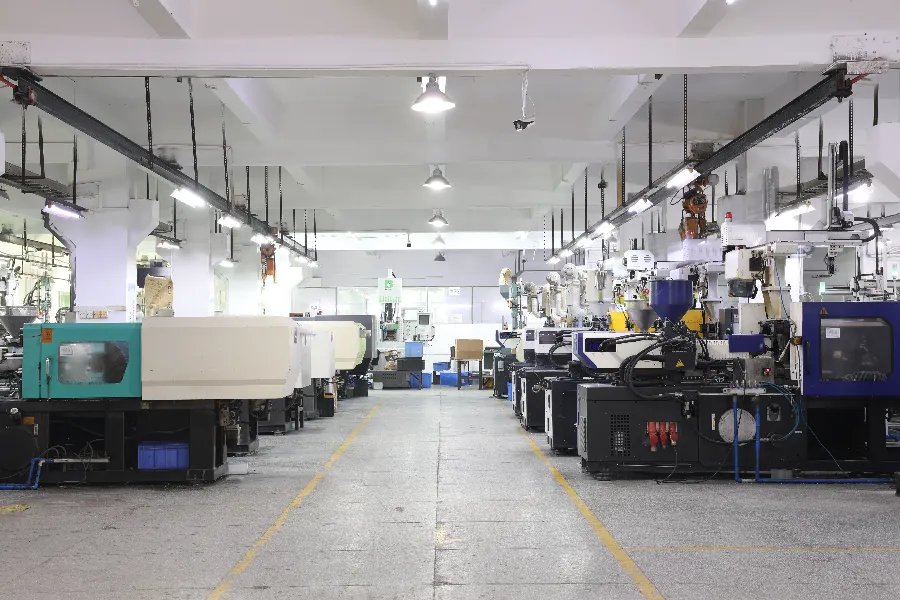
Every quotation carries fixed costs that do not scale with unit count: mold setup and polishing, color masterbatch preparation, line changeover, first-article inspection, and the paperwork package. At 300 pieces per color, which is the working MOQ for masks, goggles, and fins at Vanguard, those fixed costs sit on a small base and the unit price reflects it. As volume climbs, the same fixed costs spread across more units, changeovers happen less often per piece, and material purchasing moves to better brackets. That is the entire logic of volume tiers, and it is why a tier table beats a single number.
| Order band | What changes in the cost structure | Buyer leverage at this band |
|---|---|---|
| Below MOQ, stock models | No tooling or masterbatch cost; you buy existing inventory, often with 48-hour dispatch | Test sell-through before committing to a custom mold |
| MOQ band, 300 pcs per color | Fixed setup and first-article costs sit on the smallest custom base | Consolidate colors into fewer SKUs to lengthen each production run |
| Mid volume, multiple colors | Changeover cost per unit falls; masterbatch bought in larger lots | Ask for the tier break points in writing before signing |
| Annual program with repeats | Repeat orders run around 30 days because mold, colors, and inspection plan already exist | Negotiate repeat-order pricing separately from first-order pricing |
One trap to avoid at this stage: spreading one order across many colors to “reach a better tier”. Each color is its own run with its own changeover, so ten colors at 300 pieces each price worse than three colors at 1,000 pieces each, even though the total unit count is identical.
Where Do Hidden Costs Appear After the FOB Number?
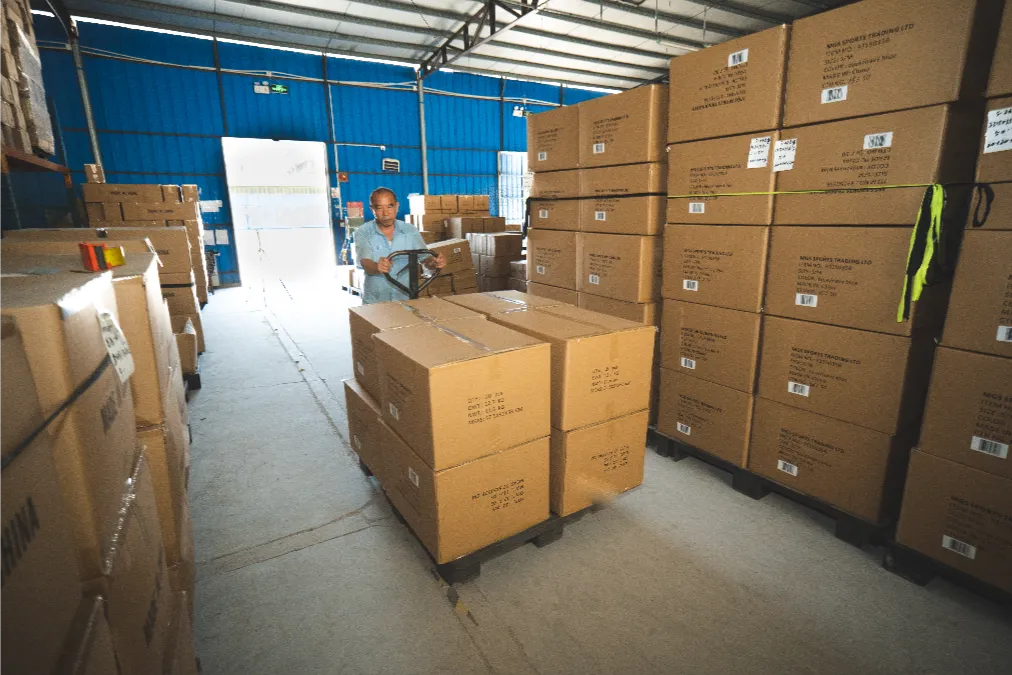
The FOB unit price is the tip of the landed cost. Around it sit items that buyers discover late: tooling for a new mold, prototype samples (stock samples typically ship in 2 to 7 days, while a custom prototype with new tooling needs 15 to 30 days), packaging artwork and plate costs, per-market compliance testing, carton upgrades for long ocean routes, and the cash cost of payment terms. A quotation that looks cheaper can simply be excluding more of these.
Compliance is the most variable of the hidden lines, because it depends on destination: CE-related eye-protection testing for Europe, FDA-related documentation for the United States, plus social and material audits that chain retailers add on top. The market-by-market breakdown is maintained in our export certification and testing guide; use it to price the documentation layer before you compare unit prices.
Payment terms deserve the same scrutiny. A slightly higher unit price with terms that protect your cash flow can beat a lower price that demands full payment early; model the cash cost of each structure over your real order calendar instead of comparing face values.
How Should You Compare Two Suppliers Line by Line?
Force every quotation onto one template with five fixed axes: identical specification sheet, identical Incoterm, identical packaging format, identical AQL sampling level, and identical payment structure. Then ask each supplier for a cost breakdown by the components in the table above. A factory that can explain its own price line by line is a factory that understands its process; one that cannot is marking up uncertainty.
Bundling is a legitimate sixth axis. A mask quoted alone and a mask quoted inside a mask-snorkel-fin set carry different packaging, inspection, and freight economics, which is why many distributors price their programs from the snorkeling set range rather than from single SKUs. Whichever structure you choose, anchor the specification to the live diving and snorkel mask range so both suppliers quote against the same construction tiers.
When Does a Higher Unit Price Cost Less in Total?
When it removes failure modes that are priced outside the quotation. A glued skirt that leaks in the field generates returns, chargebacks, and negative retail reviews that no unit-price saving covers. A mask without measured anti-fog duration generates the same pattern one season later. Patented construction also removes a risk that e-commerce sellers feel directly: selling a design that infringes someone else’s patent, which is exactly the exposure Vanguard’s patented M-1502 panoramic full-face mask family was built to avoid for its partners.

So read a dive mask wholesale price the way a cost engineer reads it: as a bundle of material, process, amortization, compliance, and risk decisions. Negotiate the bundle, not the digit, and the digit will take care of itself.
Frequently Asked Questions
Why won’t suppliers publish a price list for dive masks?
Because a published list would describe one specification only, and most of the price sits in specification choices: skirt material, lens, construction method, packaging, and compliance scope. Serious suppliers quote against a written spec sheet so that the number stays valid when you place the order.
What MOQ applies, and can I mix colors inside one order?
The working MOQ at Vanguard is 300 pieces per color for masks, goggles, and fins. Mixing colors is possible, but each color is a separate production run with its own changeover, so fewer colors at higher quantity per color will always price better than many colors at the minimum.
Does the tooling cost disappear on repeat orders?
The mold itself is reused, so repeat orders carry no new tooling cost and typically run around 30 days. Whether the original mold fee is refunded at volume or waived for standard private-label models is a negotiated term, so put the answer in the contract before the first purchase order rather than discussing it later.
Which Incoterm should I use when comparing quotations?
Any Incoterm works as long as every supplier quotes the same one. FOB is the common baseline for factory comparison because it isolates production cost from freight; convert to your landed basis afterwards with your own forwarder’s numbers so the freight assumption is yours, not the supplier’s.
Is the cheapest unit price always the better deal?
Rarely. The cheapest quote usually downgrades the skirt, the lens joint, or the testing scope, and those downgrades resurface as returns, chargebacks, and negative reviews. Price the whole program, including claim risk and relisting cost, before declaring a winner.