Peça a cinco fábricas um preço de atacado de máscara de mergulho e você receberá cinco números que não podem ser comparados, porque cada um assume um material de saia diferente, uma lente diferente, um formato de embalagem diferente, e um Incoterm diferente. O número em si é a parte menos informativa da citação. O que importa é a estrutura de custos por trás disso, porque essa estrutura informa para onde o preço se moverá quando você alterar o volume, mudar uma cor, ou mudar um mercado.
Este guia divide o preço de atacado de uma máscara de mergulho nos componentes que realmente a criam: materiais e construção, amortização de ferramentas, MOQ e níveis de volume, embalagem, testes de conformidade, e os termos comerciais envolvidos em tudo isso. Foi escrito para compradores em massa, distribuidores, e marcas próprias que precisam comparar cotações honestamente e negociar a partir dos direcionadores de custos, e não do dígito final.
Principais conclusões
- Um preço de atacado é um resultado de uma especificação, não é um número de catálogo: mudar a saia, lente, ou embalagem e o preço muda com ela.
- A amortização de ferramentas e configuração é a razão pela qual o primeiro nível é sempre o mais caro por unidade, e por que os pedidos repetidos têm preços diferentes dos primeiros pedidos.
- Na Vanguard, o MOQ funcional é 300 peças por cor para máscaras, óculos, e barbatanas; abaixo disso, modelos de estoque com sua marca geralmente são a entrada mais inteligente.
- Compare cotações apenas em folhas de especificações idênticas, Incoterms idênticos, embalagem idêntica, e níveis de amostragem AQL idênticos.
- O preço unitário mais barato muitas vezes se torna o programa mais caro quando retorna, reivindicações, e avaliações negativas de varejo são contadas.
Por que não existe um único preço de atacado para máscara de mergulho?
Porque uma máscara de mergulho é um conjunto de decisões. A saia pode ser de PVC ou silicone líquido. A lente pode ser de policarbonato ou vidro temperado. A saia e a lente podem ser coladas ou moldadas como uma só peça através de co-injeção de silicone. A pulseira pode ser uma pulseira fixa de PVC ou uma pulseira ajustável de silicone com fivelas de liberação rápida. Cada decisão movimenta o custo do material, tempo de ciclo, taxa de sucata, e reivindicar risco, e, portanto, move o preço unitário. Uma fábrica que cita um número antes de perguntar qual deles você deseja está citando um produto que você não especificou.
A consequência prática para os compradores: sua solicitação de cotação deve ser lida como uma folha de especificações, não é uma pergunta. Liste o material da saia, tipo de lente, método de construção, tipo de cinta e fivela, tratamento antiembaçante, formato de embalagem, mercados-alvo para conformidade, e volumes esperados de primeira ordem e anuais. Só então os números que voltam significam algo, e só então você poderá cobrar do fornecedor o preço mais tarde.
O que realmente impulsiona o custo unitário, Componente por Componente?
A maior parte do custo fica em cinco lugares: o elastômero (silicone versus PVC), a lente, o método de construção, o hardware de acabamento, e a embalagem mais a camada de conformidade. A tabela abaixo é o modelo mental a ser usado quando uma cotação parece alta ou suspeitamente baixa: descubra qual linha o fornecedor alterou.
| Componente de custo | Especificação de baixo custo | Especificação pronta para varejo | Por que o preço se move |
|---|---|---|---|
| Material da saia | PVC | Silicone líquido, hipoalergênico | Preço da matéria-prima e flexibilidade para água fria; O PVC endurece e envelhece mais rápido |
| Lente | Policarbonato | Vidro temperado | O vidro custa mais e precisa de testes de impacto, mas resiste a arranhões no manuseio da loja |
| Construção saia-lente | Colagem adesiva | Co-injeção de lente de silicone como uma peça moldada | A co-injeção precisa de ferramentas capazes e controle de processo, e remove o caminho de vazamento que gera retornos |
| Correia e fivela | Alça fixa em PVC | Alça de silicone ajustável, fivelas de liberação rápida | Peças moldadas extras e segundos de montagem por unidade |
| Anti-dente | Nenhum ou spray de reposição | Tratamento aplicado de fábrica com duração medida | Processo de revestimento mais um item de teste no relatório de inspeção |
| Embalagem e conformidade | Saco plástico, sem testes de mercado | Caixa colorida com etiquetas de conformidade e rastreabilidade de lote | Arte, pratos, qualidade da caixa, e testes de certificação por mercado |
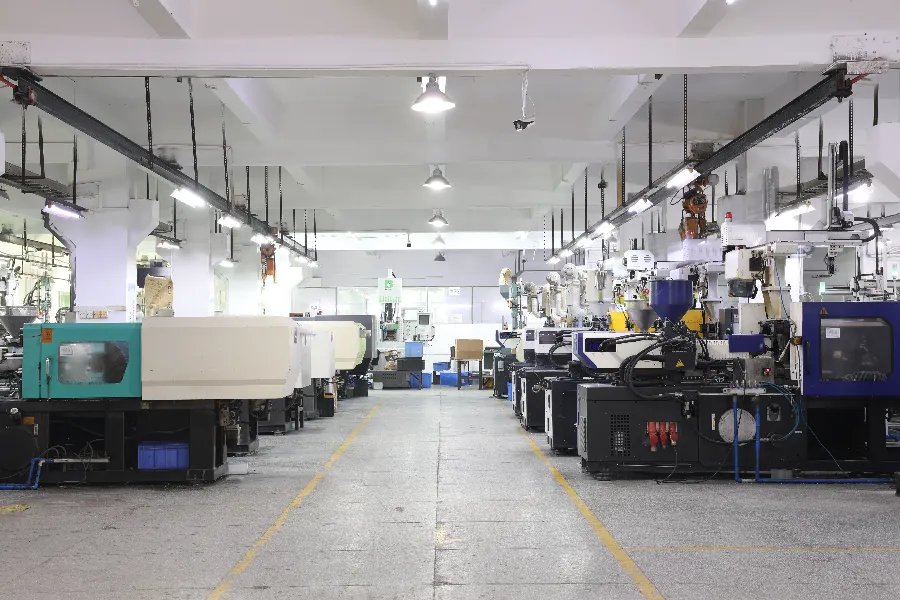
O método de construção merece atenção especial porque é a linha que os fornecedores mais frequentemente rebaixam silenciosamente. A co-injeção integrada de silicone e lente da Vanguard é um processo patenteado, e a mesma lógica se aplica a óculos de natação, onde a junta lente-gaxeta decide se um lote passa ou vaza no campo.
Como o MOQ e os níveis de volume remodelam a cotação?
Cada cotação acarreta custos fixos que não se ajustam à contagem de unidades: configuração e polimento do molde, preparação de masterbatch de cores, mudança de linha, inspeção do primeiro artigo, e o pacote de papelada. No 300 peças por cor, qual é o MOQ funcional para máscaras, óculos, e nadadeiras no Vanguard, esses custos fixos assentam numa base pequena e o preço unitário reflete isso. À medida que o volume aumenta, os mesmos custos fixos distribuídos por mais unidades, as trocas acontecem com menos frequência por peça, e a compra de materiais passa para faixas melhores. Essa é toda a lógica das camadas de volume, e é por isso que uma tabela de níveis supera um único número.
| Faixa de pedido | O que muda na estrutura de custos | Alavancagem do comprador nesta faixa |
|---|---|---|
| Abaixo da quantidade mínima, modelos de ações | Sem custo de ferramentas ou masterbatch; você compra inventário existente, frequentemente com envio em 48 horas | Teste a venda por distribuidores antes de se comprometer com um molde personalizado |
| Banda MOQ, 300 peças por cor | A configuração fixa e os custos do primeiro artigo ficam na menor base personalizada | Consolide cores em menos SKUs para prolongar cada ciclo de produção |
| Volume médio, várias cores | O custo de mudança por unidade cai; masterbatch comprado em lotes maiores | Peça os pontos de interrupção do nível por escrito antes de assinar |
| Programa anual com repetições | Pedidos repetidos correm por aí 30 dias porque mofo, cores, e plano de inspeção já existe | Negocie o preço do pedido repetido separadamente do preço do primeiro pedido |
Uma armadilha a evitar nesta fase: espalhando um pedido em muitas cores para “alcançar um nível melhor”. Cada cor é sua própria execução com sua própria mudança, então dez cores em 300 peças cada preço pior do que três cores em 1,000 pedaços cada, mesmo que a contagem total de unidades seja idêntica.
Onde aparecem os custos ocultos após o número FOB?
O preço unitário FOB é a ponta do custo final. Ao redor estão itens que os compradores descobrem tarde: ferramentas para um novo molde, amostras de protótipo (amostras de estoque normalmente são enviadas em 2 para 7 dias, enquanto um protótipo personalizado com novas necessidades de ferramentas 15 para 30 dias), custos de arte de embalagem e placa, testes de conformidade por mercado, atualizações de caixas para longas rotas marítimas, e o custo em dinheiro das condições de pagamento. Uma cotação que parece mais barata pode simplesmente excluir mais destes.
A conformidade é a mais variável das linhas ocultas, porque depende do destino: Testes de proteção ocular relacionados com a CE para a Europa, Documentação relacionada à FDA para os Estados Unidos, além de auditorias sociais e materiais que os varejistas da rede acrescentam. A discriminação mercado a mercado é mantida em nosso certificação de exportação e guia de testes; use-o para precificar a camada de documentação antes de comparar preços unitários.
As condições de pagamento merecem o mesmo escrutínio. Um preço unitário ligeiramente mais alto com condições que protejam seu fluxo de caixa pode superar um preço mais baixo que exige pagamento integral antecipado; modele o custo em dinheiro de cada estrutura em seu calendário de pedidos real, em vez de comparar valores de face.
Como você deve comparar dois fornecedores linha por linha?
Force cada cotação em um modelo com cinco eixos fixos: folha de especificações idêntica, Incoterm idêntico, formato de embalagem idêntico, nível de amostragem AQL idêntico, e estrutura de pagamento idêntica. Em seguida, peça a cada fornecedor uma discriminação dos custos pelos componentes da tabela acima. Uma fábrica que consegue explicar seu próprio preço linha por linha é uma fábrica que entende seu processo; aquele que não pode está marcando a incerteza.
O empacotamento é um sexto eixo legítimo. Uma máscara citada sozinha e uma máscara citada dentro de um conjunto máscara-snorkel-barbatana carregam embalagens diferentes, inspeção, e economia de frete, é por isso que muitos distribuidores definem o preço de seus programas a partir do gama de conjunto de mergulho em vez de SKUs únicos. Seja qual for a estrutura que você escolher, ancorar a especificação ao vivo gama de máscaras de mergulho e snorkel então ambos os fornecedores fazem cotações para os mesmos níveis de construção.
Quando um preço unitário mais alto custa menos no total?
Quando remove modos de falha com preços fora da cotação. Saia colada que vaza no campo gera retorno, estornos, e críticas negativas no varejo que nenhuma economia no preço unitário cobre. Uma máscara sem duração antiembaçante medida gera o mesmo padrão uma temporada depois. A construção patenteada também elimina o risco que os vendedores de comércio eletrônico sentem diretamente: vender um design que infringe a patente de outra pessoa, que é exatamente a exposição que a família de máscaras faciais panorâmicas patenteadas M-1502 da Vanguard foi construída para evitar para seus parceiros.
Portanto, leia o preço de atacado de uma máscara de mergulho da mesma forma que um engenheiro de custos o lê: como um pacote de material, processo, amortização, conformidade, e decisões de risco. Negociar o pacote, não o dígito, e o dígito cuidará de si mesmo.
Perguntas frequentes
Por que os fornecedores não publicam uma lista de preços para máscaras de mergulho?
Porque uma lista publicada descreveria apenas uma especificação, e a maior parte do preço está nas escolhas de especificações: saia, lente, método de construção, embalagem, e escopo de conformidade. Fornecedores sérios fazem cotações com base em uma folha de especificações escrita para que o número permaneça válido quando você fizer o pedido.
O que MOQ se aplica, e posso misturar cores dentro de um pedido?
O MOQ funcional na Vanguard é 300 peças por cor para máscaras, óculos, e barbatanas. É possível misturar cores, mas cada cor é uma produção separada com sua própria mudança, portanto, menos cores em maior quantidade por cor sempre terão um preço melhor do que muitas cores no mínimo.
O custo do ferramental desaparece em pedidos repetidos?
O próprio molde é reutilizado, portanto, pedidos repetidos não acarretam custos de novas ferramentas e normalmente são executados 30 dias. Se a taxa do molde original será reembolsada em volume ou dispensada para modelos padrão de marca própria é um termo negociado, então coloque a resposta no contrato antes do primeiro pedido de compra, em vez de discuti-la mais tarde.
Qual Incoterm devo usar na comparação de cotações?
Qualquer Incoterm funciona desde que todos os fornecedores cotem o mesmo. FOB é a linha de base comum para comparação de fábrica porque isola o custo de produção do frete; converta posteriormente para sua base desembarcada com os números do seu próprio despachante para que a suposição do frete seja sua, não do fornecedor.
O preço unitário mais barato é sempre o melhor negócio?
Raramente. A cotação mais barata geralmente rebaixa a saia, a junta da lente, ou o escopo do teste, e esses rebaixamentos ressurgem como retornos, estornos, e críticas negativas. Preço de todo o programa, incluindo risco de reclamação e custo de recadastramento, antes de declarar um vencedor.