لموزع أو مشتري التجزئة, يبدو رف النظارات الصغير بسيطًا بشكل خادع: إصدارات أصغر من نظارات الكبار, تباع بألوان زاهية. من الناحية العملية، فهي واحدة من أصعب الفئات في تجارة التجزئة للسباحة, لأن “عميل” يشتري ثلاث مرات (يدفع الوالد, يرتديها الطفل, يرفضها المدرب إذا تسربت), ويتطلب نطاق الملاءمة الذي يغطيه إطار واحد للبالغين ثلاثة أو أربعة وحدات SKU صغيرة لتخدم بشكل صحيح.
يحدد هذا التمهيدي الفئة بالطريقة التي يحددها بها المصنع: ما الذي يجعل النظارة حملقة للصغار, كيف يعمل التصنيف العمري في الواقع, ما هي معايير السلامة والامتثال المهمة بالنسبة لمعدات السباحة المخصصة للأطفال, وما هو الدليل الذي يجب على مشتري الفئة لأول مرة أن يطلبه قبل تقديم الطلب.
الوجبات الرئيسية
- “مبتدئ” هو الحجم ومواصفات الختم, ليس نظام الألوان: بصمة عدسة أصغر, تنورة سيليكون أكثر نعومة, جسر أضيق, وحزام قابل للتعديل ليناسب محيط رأس الطفل.
- سلم عمري ذو مصداقية يمتد على ثلاث درجات: ما قبل المدرسة (تقريبا 3 ل 6 سنين), مبتدئ (تقريبا 6 ل 12), والانتقال في سن المراهقة (12 أعلى), يتطلب كل منها أدوات مختلفة بدلاً من إطار واحد تم تقليصه مرتين.
- الامتثال للأطفال’ تركز النظارات على سلامة المواد التي تلامس الجلد (معيار OEKO-TEX 100), وثائق الوصول إلى الأسواق (م, ادارة الاغذية والعقاقير), ومراقبة العمليات المدققة (ايزو 9001:2015, بي إس سي آي).
- الأدلة الدفعية التي تتنبأ بأداء الرف: نتائج اختبار الختم/التسرب, بيانات قوة سحب عقال, وأرقام مدة مكافحة الضباب, وليس الصفات التسويقية.
- تعتمد العوائد في هذه الفئة بشكل كبير على الملاءمة, مما يجعل جسور الأنف قابلة للتبديل وحجم واضح مع وضع علامة على حماية الهامش, ليس من الجميل أن يكون.
ما الذي يجعل حملق أ “مبتدئ” حملق?
على خط الإنتاج, تختلف النظارات الواقية للصغار عن النظارات للبالغين بأربع طرق قابلة للقياس, ولا يوجد أي منها هو الرسم الموجود على الحزام.
بصمة الإطار. يتم تغيير حجم فتحة العدسة والتنورة إلى العظم المداري للطفل: منطقة صغيرة مغلقة لا يمكنها سد محجر عين الشخص البالغ دون الضغط عليه, وعلى العكس من ذلك، يجب ألا يكون حجمه صغيرًا جدًا لدرجة أنه يلتصق بالحاجب.
تنورة التحمل. تعتبر بشرة الأطفال أكثر حساسية ووجوههم ذات تعريف هيكلي أقل بحيث لا يمكن للختم الإمساك بها, لذا فإن التنانير الصغيرة مصنوعة من مركبات مطاط السيليكون السائل الأكثر ليونة. تنتج التنانير القاسية للبالغين التي يرتديها طفل يبلغ من العمر سبع سنوات شكاوى من التسرب والعلامات الحمراء التي تحدد دورة المراجعة السيئة.
جسر الأنف. هذا هو المتغير الوحيد الأكبر المناسب للوجه المتنامي. تتعامل العلامات التجارية للبالغين مع عدد قليل من الأحجام الثابتة; تستخدم الخطوط الصغيرة المُدارة جيدًا مقاطع جسر قابلة للتبديل بحجم صغير, واسطة, وكبيرة, والذي يتيح لإطار واحد تغطية نطاق عمري كامل ويتيح لمتجرك تخزين وحدة SKU واحدة بدلاً من أربعة.
هندسة الحزام. الأشرطة جونيور أقصر, مقسمة من الخلف لتحقيق الثبات على شكل رأس الطفل, واستخدم أبازيم بحجم الأصابع الصغيرة, نظرًا لأن النظارات الواقية التي لا يستطيع الطفل تجديدها بمفرده يتم التخلي عنها في منتصف الجلسة.
إذا كنت تريد التصنيف الأوسع، فهذه النماذج موجودة بداخلك, لدينا انهيار ستة أنواع رئيسية من النظارات خرائط منتجات صغار ضد السباق, تمرين, والعائلات الترفيهية.
كيف يعمل تصنيف العمر في الواقع?
تقوم المصانع والعلامات التجارية بتصنيف معدات السباحة للصغار على شكل أربطة, لأن نمو الوجه يكون متفاوتاً وواحداً “حجم الاطفال” يخفي مشتريين مختلفين. سلم العمل يشبه هذا:
| درجة | العمر النموذجي | السائقين المناسبين | ما مخزون المشترين |
|---|---|---|---|
| مرحلة ما قبل المدرسة | تقريبا 3 ل 6 سنين | إطار صغير جدًا, أنعم تنورة, غالبًا ما يتم ارتداء النظارات الواقية في جلسات قصيرة | أجوف, إعادة تخزين وحدات SKU بشكل متكرر; المتانة أقل أهمية من الراحة |
| مبتدئ | تقريبا 6 ل 12 سنين | فرقة النمو: قد يحتاج نفس الطفل إلى تغيير حجم الجسر بين الفصول | إطارات الجسر القابلة للتبديل تحمل النطاق; جودة مكافحة الضباب تبدأ في الأهمية (تشتد الدروس) |
| التحول في سن المراهقة | تقريبا 12 سنوات حتى | أبعاد وجه البالغين, كثافة استخدام المبتدئين: يبدأ تدريب النادي | نماذج سباق الدخول; انظر لدينا دليل المنافسة حملق بالجملة للطبقة أعلاه |
النتيجة التجارية للنطاق الأوسط هي ما يفوته المشترون لأول مرة: فالعمر من ستة إلى اثني عشر عامًا ليس بالحجم الثابت. هذا هو بالضبط سبب جسر الأنف القابل للتبديل (صغير, واسطة, كبير) هي السمة الأساسية لخط المبتدئين الجاد, ولماذا بنيت خطط متنوعة على “مقاس أطفال واحد” توليد عوائد على طرفي الفئة العمرية.
لماذا تحتاج الإطارات الصغيرة إلى بناء مختلف؟, ليس فقط صب أصغر?
إن تقليص حجم أداة البالغين لا ينتج عنه نظارات واقية جيدة للصغار; وتنتج واحدة متسربة. تتغير آليات الختم مع الوجه.
توفر عظام وجنة الطفل حافة أقل لإمساك التنورة الصلبة, لذلك يتحول عمل الختم إلى نعومة المواد وحتى سمك الجدار. هذا هو المكان الذي يكتسب فيه الحقن المشترك مكانه عند الأطفال’ إنتاج: يتم ربط تنورة السيليكون السائل بعدسة البولي كربونات في خطوة قولبة واحدة, مع عدم وجود درزات لاصقة للتقشير حيث تنثني التنورة الناعمة بشكل متكرر. عملية الحقن المشترك لدينا حاصلة على براءة اختراع, وفي السطور المبتدئة يتناول تقرير الآباء الفاشلين رقم واحد, تنفصل التنورة أو تبكي عند العدسة بعد بضعة أسابيع من التعامل مع الماء الدافئ.
يعتبر السيليكون المضاد للحساسية أكثر أهمية في هذه الطبقة من أي مكان آخر على الرف, لأن الأطفال ذوي الحساسيات هم المشترون الذين لن يقوم آباؤهم بإعادة الشراء من متجر أحرقهم مرة واحدة. خيارات العدسات المعالجة بالأشعة فوق البنفسجية وواسعة الرؤية تكمل ورقة المواصفات الصغيرة: يستجيب السباحون الشباب في برامج تعلم السباحة بشكل سيئ للرؤية النفقية لملفات السباق, وتطلب مدارس السباحة الخارجية خيارات ملونة موسميًا.
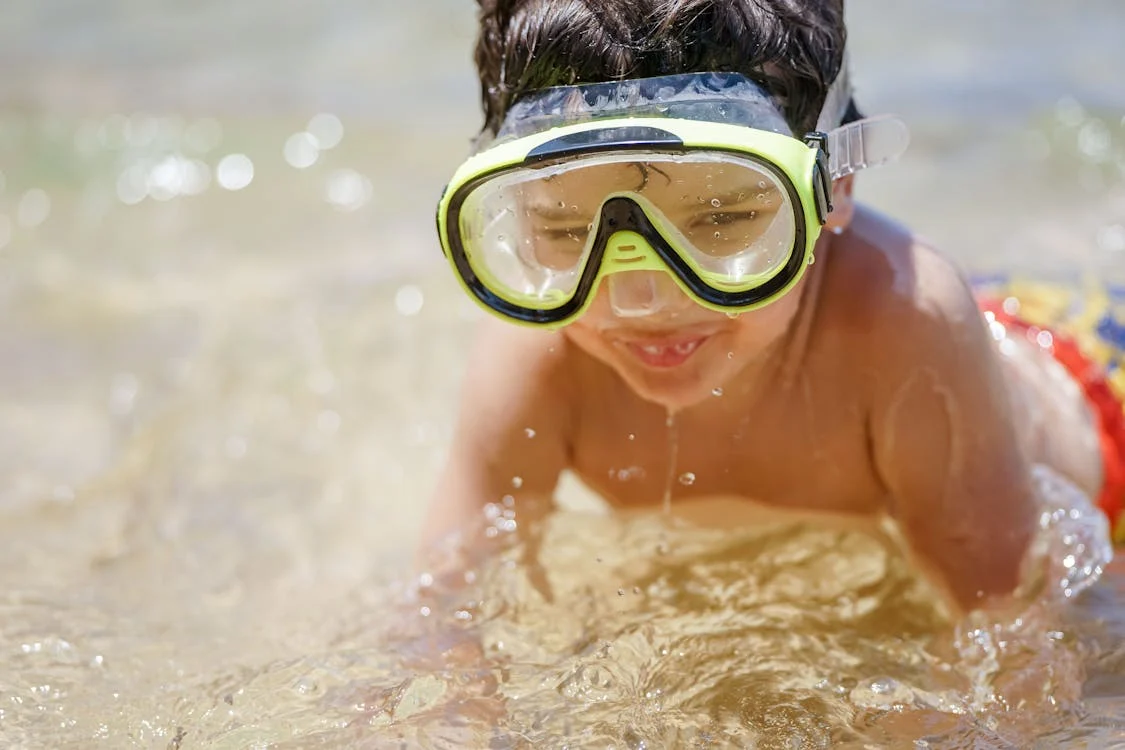
بالنسبة للمحادثة المناسبة التي تواجه الوالدين، سيكررها موظفو متجرك, مقالتنا عن اختيار نظارات السباحة للأطفال يعد مرجعًا تدريبيًا مفيدًا لفرق البيع بالتجزئة.
ما هي معايير السلامة والامتثال التي تنطبق على Junior Goggles؟?
هنا هو التمهيدي الصادق: لا يوجد عالمي واحد “شهادة حملق الأطفال.” الامتثال هو كومة من الوثائق المنفصلة, ويجب أن يكون المشتري الجديد في هذه الفئة قادرًا على تسمية كل طبقة قبل أن يطلب من المورد إثباتًا.
طبقة واحدة: الوصول إلى الأسواق
للتوزيع في الاتحاد الأوروبي, يتوقع مستوردو وموزعو السلسلة الحصول على حزمة وثائق CE للنظارات الواقية, وينتمي إلى مجموعة الشهادات التي نحتفظ بها لهذه الفئة. للسوق الأمريكية, تطلب حسابات التجزئة الكبيرة من الموردين وثائق إدارة الغذاء والدواء (FDA) أثناء تأهيل البائعين. المورد الذي يقول “لدينا شهادات” دون تسمية الوثيقة التي لم يجتاز السوق سؤال المقابلة الأول لها.
الطبقة الثانية: سلامة الاتصال المادي
التنورة والحزام يجلسان على جلد الطفل لساعات, مبتل, دافيء, يمضغ في بعض الأحيان. معيار OEKO-TEX 100 إن الاختبار على مكونات السيليكون هو الضمانة المهمة هنا, وهو الاختبار الذي نحمله لإنتاجنا. مادة عدسة البولي كربونات خاملة ومقبولة على نطاق واسع; ما تريد توثيقه هو جانب ملامسة الجلد.
الطبقة الثالثة: العملية والتدقيق الاجتماعي
ايزو 9001:2015 يخبرك أن نظام الجودة في المصنع موثق ومدقق; تغطي BSCI جانب الامتثال الاجتماعي الذي تتطلبه السلاسل الأوروبية بشكل متزايد قبل التوقيع على الأطفال’ برامج الملابس والإكسسوارات. للفئات الناشئين على وجه التحديد, عمليات التدقيق هذه هي ما يعتمد عليه تجار التجزئة أثناء تأهيل الموردين, لذا فإن قدرة المصنع على تسليم ملخصات التدقيق الحالية تعد بمثابة أصل تجاري بالنسبة لك, لا الأوراق.
حدود واحدة تستحق الذكر بوضوح للمشترين الجدد: تغطي الشهادة المنتج كما تم اختباره, والمطالبات مثل “مكافحة الضباب ل 100 ساعات” أو “غير قابل للكسر” هي لغة التسويق, ليست فئات قياسية. تحقق من مطالبات الأداء مقابل بيانات الاختبار الدفعي بدلاً من ذلك, وهو القسم التالي.
ما هي اختبارات مستوى الدُفعة التي تتنبأ بأداء الرف?
يقوم ملف الامتثال بإدخال المنتج عبر الباب; اختبار الدُفعات يبقيه خارج سلة المرتجعات. تحمل ثلاث عائلات اختبارية تقريبًا كل الوزن التنبؤي للنظارات الواقية للصغار, ويغطي تقرير التفتيش الخاص بالمصنع المختص هذه العناصر الثلاثة.
- اختبار الختم والتسرب. يجب أن يتم شحن كل شكل تنورة مصبوبة مع نتائج اختبار التسرب على الدفعة. تختلف وجوه الصغار بشكل كبير, وبالتالي فإن الفحص العملي هو ما إذا كان المصنع يختبر مجموعات بحجم الجسر, ليس فقط التكوين الرئيسي.
- قوة سحب عصابة الرأس والإبزيم. يتعامل الأطفال مع الأشرطة بخشونة، كما تتعامل مدارس السباحة مع النظارات الواقية بخشونة في أماكن التخزين المشتركة. نتائج الشد على وصلات الحزام والمشبك هي الرقم الذي يجب مقارنته بين الموردين; تظهر الإخفاقات هنا في المراجعات “كسر بعد اسبوعين.”
- مدة مكافحة الضباب. رقم مُقاس لمدى بقاء العلاج بعد دورات التعرض للكلور, ليس ادعاء “طويلة الأمد.” يتم تغطية الفرق بين مضاد الضباب المطلي والمصبوب في موقعنا شرح تقنية مكافحة الضباب, ويكون الأمر مهمًا بشكل مضاعف في صفوف المبتدئين حيث تنهي نظارات واقية ضبابية الدرس.
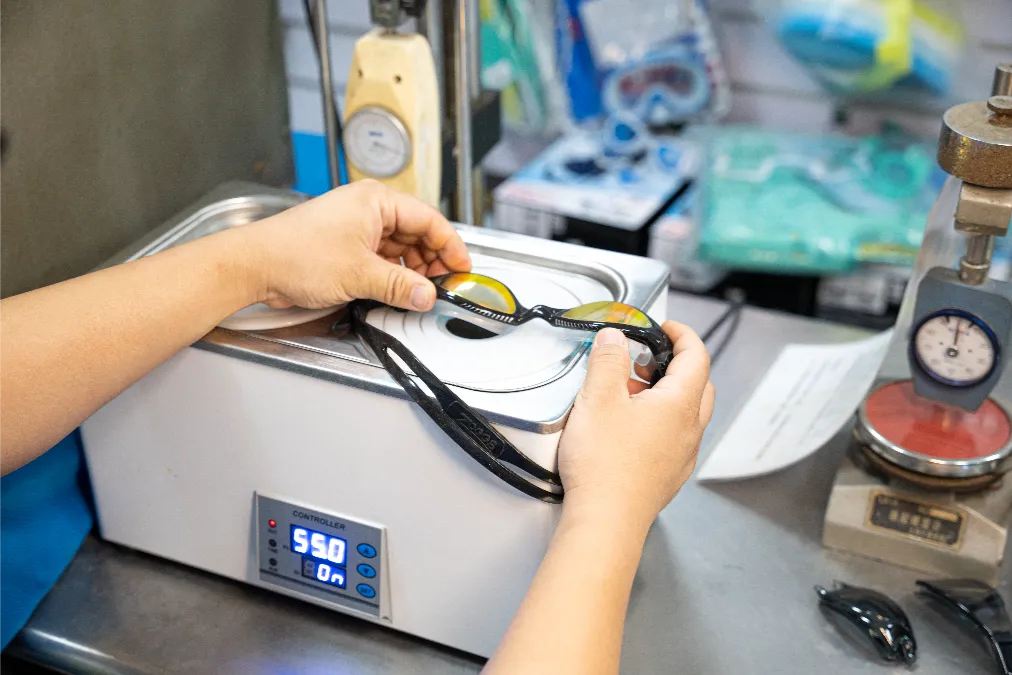
اطلب هذه التقارير عن طلب العينة, للدفعة جاءت العينات من. المصانع التي تختبر كل دفعة سوف ترسلها دون سابق إنذار; تلك التي اختبار “اكتب العينات” سيتم إرسال ملف PDF مرة واحدة سنويًا بتاريخ أقدم من تاريخ شركتك.
كيف ينبغي بناء تشكيلة المبتدئين الأولى?
مع تحديد الفئة والتحقق منها, السؤال العملي هو كيف يبدو الأمر الافتتاحي المعقول لرف البيع بالتجزئة للسباحة أو لقسم المبتدئين عبر الإنترنت.
ثلاثة مبادئ تخدم معظم نقاط البداية. أولاً, قم بشراء محور الملاءمة قبل محور اللون: حجمان من الإطارات تم اختيارهما جيدًا مع نطاق جسر كامل سوف يتفوقان على حجم واحد “أطفال عالميين” إطار بستة ألوان. ثانية, دع سلم العمر يعكس قناة المبيعات الخاصة بك: تستهلك مدارس السباحة الصفوف ما قبل المدرسة والصفوف الإعدادية من حيث الحجم, تدفع الأندية الطبقة الانتقالية للمراهقين نحو مواصفات السباق, والتجزئة العامة تقع في المنتصف. ثالث, أبقِ حزمة الامتثال مرئية في نقطة البيع, لأن المشتري الوالدين للأطفال’ والعتاد يقرأ المربع: أ قصة شهادة واضحة على العبوة يتحول بطريقة نادراً ما تحتاجها فئات البالغين.
حيث تتداخل منتجات السباقات الصغيرة مع فئة المنافسة, يختار الشباب في لدينا جولة حملق تنافسية للناشئين أظهر كيف يتم بيع الطبقة الانتقالية فعليًا. وعندما تكون مستعدًا لمصدر النطاق, ملكنا صفحات منتجات جوجل قم بإدراج ما يتم تشغيله على أدوات المخزون مقابل ما يحتاج إلى محادثة تطوير.
الأسئلة المتداولة
ما هي الفئة العمرية التي تغطيها نظارات السباحة للصغار?
كفئة, تقريبا 3 ل 12, مع طبقة انتقالية من حوالي 12 في إطارات صغيرة للبالغين. داخل هذا الامتداد يكون فرق النمو كبيرًا بما يكفي لتنقسم الخطوط الجادة إلى الصفوف ما قبل المدرسة والمرحلة الإعدادية وتغطي الوسط بجسور أنف قابلة للتبديل بدلاً من أدوات الإطار الإضافية.
هم الاطفال’ تخضع النظارات لقواعد أمان مختلفة عن النظارات الواقية للبالغين?
عادة ما يكون التصنيف التنظيمي هو نفس عائلة المنتجات, لكن مشترو سلع الأطفال يطبقون توقعات أكثر صرامة: شهادات المواد الملامسة للجلد مثل معيار OEKO-TEX 100, عمليات التدقيق الاجتماعي الحالية للمصنع, والحكم على الأجزاء الصغيرة من أجهزة المشبك والحزام للصفوف الأصغر سنًا. حزم الإعداد المتسلسلة للأطفال’ تميل الفئات إلى السؤال عن الثلاثة.
هل تحتاج نظارات المبتدئين إلى خيارات وصفة طبية؟?
ليس لمعظم التجزئة المبتدئين, لكن معدلات قصر النظر في العديد من الأسواق تدفع مدارس السباحة إلى التساؤل, ومجموعة صغيرة من الوصفات الطبية (-1.5 وحتى في الخطوات المشتركة) أصبح بمثابة تمييز للبرامج التي تواجه المدرسة. إنها محادثة أدوات مخصصة وليست عنصر مخزون, لذلك خطط للمهلة الزمنية وفقًا لذلك.
ما الذي يسبب أعلى معدل عائد في هذه الفئة?
ملائم, بشكل شبه كامل: تسرب من واحد “حجم الاطفال” إطار, وشكاوى الضباب من العدسات المغلفة تباع في الاستخدام اليومي للدرس. يعود كلاهما إلى اختصارات المجموعة في وقت الطلب, وهذا هو السبب في أن تغطية الجسر وخيارات مكافحة الضباب المقولبة أو المتينة تستحق رفع المواصفات في الصفوف المبتدئة.
كم عدد وحدات SKU المبتدئة التي يجب أن يتضمنها الطلب الأول?
ويكفي لتغطية ثلاث درجات بلونين لكل منها حد أدنى عملي: يتيح لك وضع المنتج في مدارس السباحة, الأندية, والتجزئة العامة دون الرهان على قناة واحدة. على أدوات المخزون, الكميات لكل لون هي التي تحدد حجم الطلب, لذا فإن الخطة الافتتاحية المكونة من ستة وحدات SKU عادةً ما تكون عبارة عن مناقشة حول الألوان, ليس عن الحد الأدنى.