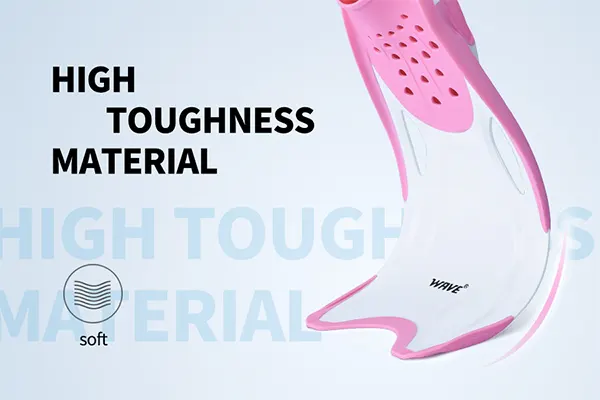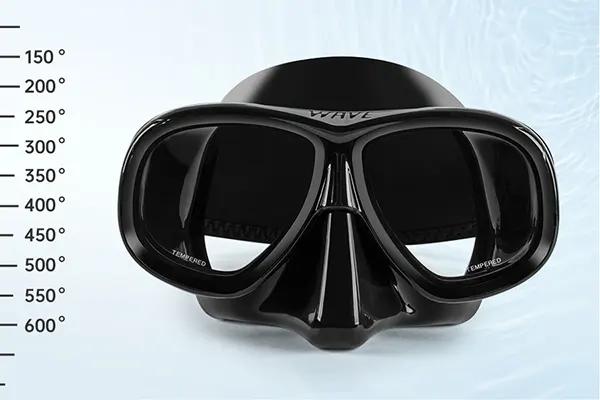
ダイブマスクは単純なオブジェクトのように見えます: ガラス片, シリコン, バックルセット, そしてストラップ. その後、40 項目の最初の発注書が届きます。 “同じマスク, 異なる素材,” そしてマーチャンダイジングチームは、あるスカートの価格が他のスカートよりも 11 セント高い理由を説明できないことに気づきました。, あるいは、なぜポリカーボネート製レンズの方が 40% 安いのに、依然として間違った購入なのか. 材料仕様は、マスクのマージンが静かに作られるか失われるかに関係します。. 返品率は彼らが決める, 認定パス, リテールアカウントの再注文動作, エントリーレベルの SKU がプレミアム SKU と共食いするかどうか.
このガイドでは、調達の観点からダイビングマスクカタログを形成する 3 つの重要な決定事項、つまりスカートコンパウンドについて説明します。, レンズ素材, およびフレーム アーキテクチャ — そして、それぞれを輸入業者とブランド所有者が実際に支払う商業的結果に結び付けます。.
重要なポイント
- スカートの素材は感触と耐久性で決まります: 液状シリコーンゴム (LSR) プレミアム感がありながら、季節を問わずそのシール性と透明度を保ちます。; PVC および TPR コンパウンドは価格を引き下げ、劣化を早めます.
- レンズの材質はコストを決める前に安全性を決めるものです. 強化ガラスは、ダイビング用に販売されているマスクの実用標準です。; 表面にはポリカーボネートが付属, 子供向け製品の中で, 耐傷性よりも耐飛散性が重要な場合.
- フレームアーキテクチャ — フレームレス, 単一パネル, または二眼レンズ — 内部容積を増大させる, 視野, カビの数, 処方箋の挿入が可能かどうか.
- ジョイントの構造は原料のコンパウンドと同じくらい重要です: 同時注入されたシリコンとレンズの接着は、圧力と熱の下では接着されたアセンブリとは異なる挙動を示します。, 受入検査時に欠陥プロファイルが変化します.
- すべての材料の選択には事務手続きが伴います: 食品グレードまたは皮膚に接触するものについての宣言, ガラスの破損報告, 複合バッチ記録は、ブランドが発売後に製品を守るのに役立ちます.
マスクのスカートって実際何でできているの?, そしてなぜそれが重要なのでしょうか?
スカート (顔に接する柔軟なフランジ) は、このカテゴリー内で最も多く返品されているコンポーネントです。. 封印しない場合, スペックシート上の他のものは何も重要ではありません. 3 つの複合ファミリーが中国工場との調達会話を独占:
プラチナ硬化シリコン (LSR). 液状シリコーンゴムは中級マスクと高級マスクの基準素材です. 透明のままです, 紫外線や塩素水による黄ばみに強い, 小売用の箱の中で数か月間圧縮された後でも形状が回復します. 低アレルギー性でもあります, これが、敏感肌向けのマーケティングの主張がこの化合物に基づいてのみ構築できる理由です. トレードオフは単価と成形サイクルの遅さです.
TPRとPVCのブレンド. これらの熱可塑性エラストマーは、プロモーション セットやプレゼント プログラムの予算の主力製品です。. 安価にオーバーモールドが可能で、積極的な色も用意されています. でも年齢とともに硬くなってしまう, 許容されるボックス圧縮サイクルが少なくなる, シールの劣化は、使用の最初のシーズンに漏れとして現れます。. 販売代理店様向け, それは最悪のリターンに直結する: 顧客の休暇中に起こった出来事, あなたの倉庫にはありません.
透明PVC “結晶” スカート. 棚に並べると色が鮮やかに見え、工具も安いため、子供用のシュノーケルマスクによく使われています. 価格帯的には表面での使用に適しています; 後に高級市場に移行するつもりのブランドにとっては不十分な基盤.
| 属性 | LSRシリコーン | TPR / PVCブレンド |
|---|---|---|
| シールの寿命 | 複数シーズンの圧縮期間中も持続します | 年齢とともに硬くなる; リークはシーズン2の初めに現れる |
| 明確さ / 外観 | クリアなまま, 黄ばみに強い | UVや塩素による曇りや黄ばみ |
| 皮膚過敏症の話 | 低アレルギー性の主張をサポート | 保険請求を安全に実行できない |
| ツーリング & サイクルコスト | より高い; 遅いショット | より低い; 高速オーバーモールディング |
| 正しい使い方 | ダイビングマスク, ブランドライン, リピート購入小売 | 販促セット, 価格主導の子供用 SKU |
強化ガラスまたはポリカーボネート: どの製品のどのレンズに対応するか?
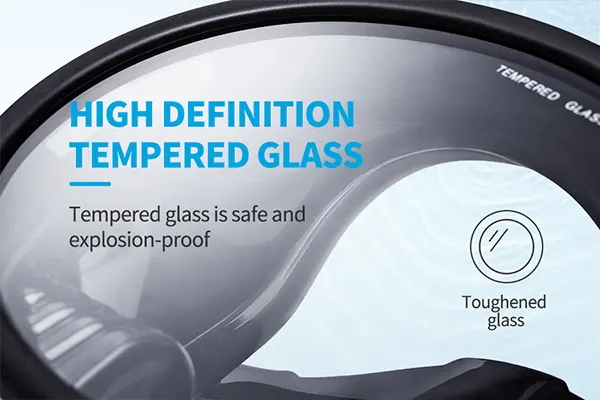
レンズ素材は、調達概要が扱うのをやめるべき場所です “安い” 自動的に良くなる. 強化された (強化された) ガラスは傷がつきにくい, 光学的に安定した, 衝撃荷重で破損すると、鋭い破片ではなく鈍い顆粒に砕けます。. ダイビング用に市販されているマスクに期待されるレンズです, そしていくつかの市場では、それが事実上、そのユースケースに販売するためのコンプライアンスのベースラインとなります。この点については、次の記事で詳しく説明します。 輸出認証ガイド.
ポリカーボネートは軽量で、割れることはほぼ不可能です。, 本当に貴重な子供用マスクです, ここで、実際の故障モードはプールデッキのフェイスプラントです。, 深度圧力ではありません. 弱点はひっかき傷です: レンタル車両またはリゾート プログラムの PC レンズが季節内に曇ってしまう, 曇ったレンズは返品になります.
実際の調達ルール: レンズの素材をパッケージに記載されている使用例と一致させる, コスト目標だけではない. 後ろにポリカーボネートレンズ “ダイビングマスク” コピーは監査人の責任の不一致です, 大規模なコンプライアンス チーム, そして最終的には顧客全員が見つけるでしょう.
フレーム構造で製品はどう変わるのか?
材料語彙の背後にあるもの, “フレーム” レンズとスカートの間にどれだけの剛性構造があるかを表し、それによって金型の数が決まります。, ツールの予算はそこに費やされます.
フレームレス (スカートのみ) 工事
レンズはシリコンスカートに直接接着されており、目に見える硬いフレームはありません。. 最も低いプロファイル, 最小の内部容積, 優れた周辺視野, そしてフリーダイバーの好み. エンジニアリングの負担はすべてボンドラインにあります, だからこそ、この構造は、混射出成形工場と接着剤と希望の工場を区別することができるのです。.
シングルパネルフレームマスク
硬質または半硬質のフレームに取り付けられた 1 つのレンズ. フレームはバックルの荷重を支え、取り扱いや輸送中にガラスの端を保護します。これは、カートンが小売店の DC に到着する前に 3 つのハンドラーを通過するときに考慮すべき点です。.
二眼マスク
ダイバーが均等化するためにつまむことができるノーズポケットを備えた 2 つの別々のレンズ. クラシックなスキューバとフィンにフィットする形状, 処方箋インサートのための自然なプラットフォーム, 各レンズの距離が短いため、低コストのガラスエッジを許容できる構造.
コインジェクションは材料に関する会話のどこに当てはまりますか?
材料の選択と接合構造は通常、別個の調達トピックとして扱われます。. そうであってはなりません. マスクの最も弱い点は、シリコンとガラスまたはポリカーボネートが接触する部分です。従来は、接着された界面が UV にさらされていました。, 塩素, 塩水, および小売ブリスターの梱包フォーム.
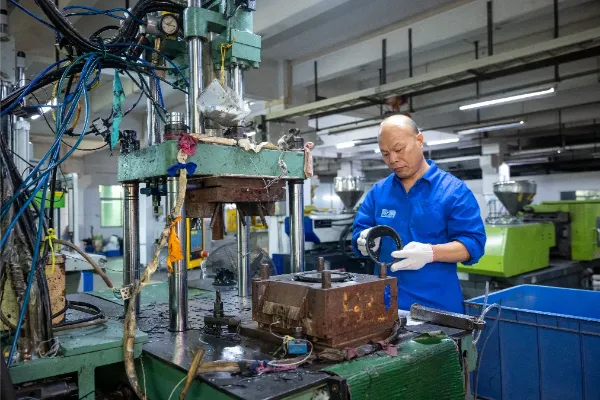
共注入 (共成形) 接着剤の線を除去します: シリコンスカートは単一の製造ステップでレンズまたはフレームに直接成形されます。, そのため、界面は接着フィルムではなく、硬化した材料の結合になります。. ブランドオーナーにとって、これは商業的に重要な 3 つの場所に現れます: 受入検査時の異なる欠陥サイン (ボンドラインの漏れが少なくなる), ハングタグの信頼できる耐久性の話, プロセス自体が特許取得されている場合の知的財産の保護. Vanguard 独自のシリコンとレンズの同時注入プロセスは、 コインジェクション技術のページ, そして、当社の接着スカートの方が命の漏れが少ない理由についての購入者向けの説明。 コインジェクション技術の説明者.
発注書で実際に回答すべき重要な質問は何ですか?
マスクプログラムがサンプル承認から生産に移行する前に, スペックシートには次のことが明記されている必要があります. これらの品目を躊躇する工場は、そのサプライチェーンについて何かを語っていることになります。:
- 化合物のグレードと来歴. シリコーンまたはTPRグレードはどれですか, どのサプライヤーからの, バッチドキュメントは発送物に付属していますか?? プラチナ硬化および食品/皮膚接触グレードの申告は書類で行う必要があります, 形容詞ではない.
- レンズスペック. 強化またはポリカーボネート, 厚さ (通常、ガラスでは 2.5 ~ 4 mm), 選択したものの骨折/衝撃レポート.
- ボンド法. 同時注入, オーバーモールド, または接着済み - および合格した金サンプルの引張試験値.
- カラーシステム. スカートとフレームに関する Pantone のリファレンス, なぜなら “透明な青” 4 つの工場にわたる 4 つの異なる意味.
- 老化への期待. UV と塩素のサイクル後にスカートがどのように見え、シールされるべきか - 検査契約書に数値を書き込む, マーケティングデッキではない.
まさにこれらの質問に基づいてサプライヤーを評価している場合, メーカー7点チェックリスト 中国のメーカーからダイビングマスクを調達する方法 資格面をカバー; マテリアル層の価格設定への影響は次のように分類されます。 ダイビングマスクの卸売価格.
素材の選択はカタログ戦略にどのように対応するか?
最も成功している輸入業者は、材料をはしごのように実行します, 議論ではない. エントリーラングはTPRスカートです, シュノーケルセットとして販売されるポリカーボネート製の二眼マスク — 価格比較に勝ち、棚のスペースを取るために存在します. 中央の段はシリコンスカートと強化ガラスに移行し、フレーム付きの単一パネル構造になっています。, これは、小売アカウントがプレミアムパッケージを許容する場合です. 上部の段はフレームレスシリコンで、同時注入ボンドと処方互換性を備えています。, 専門チャンネルのストーリーをサポートします.
2 つの分野が梯子を機能させる. 初め, エントリーラングにダイビングクレームを付けないでください; 素材は表面仕様です. 2番, 可能な限り、スカートとレンズのサプライヤーを各段にわたって一定に保ちます。コンポーネントの供給を共有することで、1 色あたり 300 個の MOQ が実現します (バンガードのマスクのベースライン, シュノーケル, そしてヒレ) 60 SKU ではなく 6 SKU を予測する場合は管理可能.
よくある質問
マスクのスカートにはPVCよりも常にシリコンの方が優れていますか?
ダイビングマスクまたはマルチシーズン小売アイテムとして位置づけられる製品の場合, はい - シリコンが密閉性を保ちます, 明確さ, 柔軟性がはるかに長くなります. PVC と TPR は、販促用および価格帯の子供用セットとしては正当な選択肢です, 保証の文言と予想される保存期間がその化合物が実際に提供できるものと一致している限り.
なぜ一部の工場はガラスレンズを見積もり、他の工場はポリカーボネートを見積もりますか?
通常、ツールとターゲット チャネルが異なるためです。. ダイビングとフリーダイビングのラインを中心に構築された工場では、標準で強化ガラスが使用されています; 販促用ギフトセットにある工場では、切断コストが安いためポリカーボネートを採用しています, 発送するための軽量化, 細いフレームでも寛容. どちらの答えも間違いではありません。重要なのは、レンズがパッケージに記載されている使用例と一致しているかどうかです。.
コインジェクションはマスクプログラムに意味のあるコストを追加しますか??
単にコストを追加するのではなく、コストを変更します: このプロセスには専用の成形装置とエンジニアリング規律が必要です, しかし、接着剤のステップが削除されます, 硬化在庫, そして最も重要なことは、利益を生み出す債券ラインのリーク率です。. 複数シーズンにわたる小売プログラムについて, たとえ単価が数セント高くても、総所有コストは通常、接着されたアセンブリを下回ります。.
量産前にサプライヤーからの材料要求を確認するにはどうすればよいですか?
バッチドキュメントを要求する, パンフレットではありません: 製造ロットに関連付けられた化合物のデータシート, ガラス破壊試験報告書, 主張に規制上の重みがある場合は、サードパーティの研究所への参照. 次に、それらのドキュメントを AQL に関連付けます (許容可能な品質レベル) 検査契約により、サンプルが承認されたのと同じ仕様に対して入荷ロットがチェックされます. FAI/OQC レポートなどの納品書類パッケージでは、この比較が理論的ではなく実践的に行われます。.