販売業者の最初のマスクカタログは通常、1 枚の製品写真と 1 つの価格から始まります。. それは終わります, 2シーズン後, 4 つの異なるビジネスのように動作するカテゴリを持つ: フリーダイバーが仕様に基づいて再購入する少量のフレームレスマスク, 店頭で販売されているシングルパネルの旅行用マスク, 学校やインストラクターが一斉に移動する二眼レンズの古典, フルフェイス シュノーケル マスクは、夏にはすべてのマスクを上回り、残りの製品を合わせたよりも多くのサポート チケットを生成します。.
消費者の分類ではなく、マーチャンダイジングおよびエンジニアリング マップとしてダイビング マスクの種類を理解することで、輸入業者はプログラムにどの SKU が属するかを推測しなくなります。. このガイドでは 4 つの主要な構造について説明します。, それぞれのツールの費用と返品の金額, それらを、架空の購入者のユースケースではなく実際の購入者の使用例をカバーするカタログに統合する方法.
重要なポイント
- マスクの種類は 2 つの構造的事実によって決まります: 鼻が密閉されていてつまめるかどうか, レンズが1枚パネルか2枚パネルか. その他すべて — ボリューム, 視野, イコライゼーション, 処方オプション - それらの選択肢に従う.
- フルフェイスシュノーケルマスクは体積に問題がある表面製品です: 彼らは平等にできない, これにより、シュノーケリング時に制限がかかり、パッケージング言語で管理する必要がある明確な返品プロファイルが推進されます。, 希望ではない.
- フレームレス マスクはフィット感と視界で優れていますが、レンズとスカートの結合にすべてのエンジニアリング リスクが集中しています。ここでは他のどのタイプよりもサプライヤーの能力が重要です。.
- デュアルレンズマスクはトレーニングと処方のプラットフォームです: レンズスパンが短いということは、ユニットあたりのガラスコストが低くなり、光学インサートへの自然な経路が得られることを意味します。.
- バランスのとれたカタログはユースケースを中心に構築されています, 価格帯ではない: 表面上の英雄, 伝統的なオールラウンダー, 1 つの少量パフォーマンス SKU, フルフェイス以外のすべての製品に関する明確な均等化ストーリー.
何が分離しているのか “ダイビングマスク” からの “シュノーケルマスク”?
商業的に重要なのはマーケティング用語ではなく、物理学です. 水面下で使用されるマスクは、ダイバーが空域の圧力を均一にする必要があります。, つまり、鼻はスカートの中にあり、スカートを通してつまむことができる必要があります. あらゆる伝統的なダイビングマスクのデザイン, 最も安価な二眼レンズから最も洗練されたフレームレスのフリーダイビングマスクまで, その要件を満たします.
顔全体を大風量で包み込み、鼻を挟み込まないフルフェイス設計. それらは表面で、そして表面でのみ機能します. 棚の上に, この区別により、パッケージにどの認証と使用上の表示を含めることができるかが決まります。これは、当社のトピックです。 輸出コンプライアンスガイド より詳細に治療し、お返しします, 顧客が自分が購入したものを理解しているかどうかを決定します. 買い手側の 2 つのファミリーの比較, レビューで表面化した浮力と降下に関する苦情を含む, で覆われています フルフェイスシュノーケルマスクと従来のダイビングマスク.
4 つの主要なマスク構造をどう比較するか?
| タイプ | 構造 | イコライズ? | ベストチャンネル | リターンリスクプロファイル |
|---|---|---|---|---|
| フレームレス | 単レンズをシリコンスカートに直接接着, 硬いフレームがない | はい | ダイビングショップ, フリーダイビング, アッパーリテール | サプライヤーのプロセスが脆弱な場合、ボンドラインに障害が発生する |
| 一眼フレーム | リジッドまたはセミリジッドフレームにワイドレンズ 1 枚 | はい | 一般小売, トラベルセット | ガラスエッジ上のフレームバックル応力 |
| デュアルレンズ | 2つのレンズ, 独立した接眼レンズ, つまめる鼻ポケット | はい | トレーニング, 学校, 処方プログラム | より低い; 寛容な構造, レンズスパンが短い |
| フルフェイス | 顔全体を包み込む, 統合されたエアチャネル, 鼻ポケットにアクセスできない | いいえ — 表面のみの使用 | ビーチの小売店, リゾート, eコマースのボリューム | 期待の不一致 (降下, 浮力, レギュレーター使用) |
フレームレスマスク: パフォーマンスラングとサプライヤーテスト
硬いフレームを取り外すと、マスクが顔の近くに配置されます。, 内部容積を減らして均一にし、下方の視野を広くしました。. これはフリーダイバーや経験豊富な旅行者が名前で求める形状です, 従来のマスクラインの中で最も強力なユニットあたりのマージンを実現します.
工場の実力が発揮される工事でもあります. 機械的負荷を支えるフレームがない場合, レンズが生きるか死ぬかはシリコンへの結合によって決まります. 工場での品質保証を経て接着された接合部は、チャーターボート上で太陽と海水の下でも 1 シーズン耐えることができます。. 共射出成形(シリコンを 1 ステップでレンズに直接成形する)は、まさにこの問題を解決するために存在します。, フレームレスのサプライヤーを比較すると、, レンズの挿入方法を尋ねると、どんなパンフレットよりも多くのことがわかります。. Vanguard の特許取得済みの同時注入プロセスについては、 コインジェクション技術のページ; 物質レベルの推論は私たちの中にあります ダイビングマスクの素材ガイド.
一眼フレームマスク: カタログの主力製品
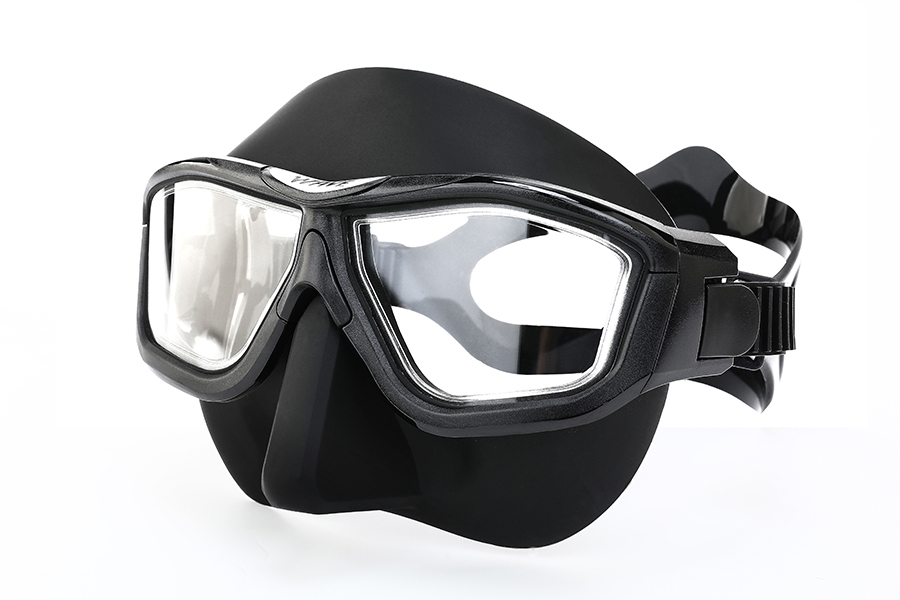
フレーム内の 1 つのパノラマ接眼レンズが中央のパスです: 二眼レンズよりも広い視野, フレームレスよりもエンジニアリングリスクが少ない, 小売取り扱いにおいてもガラスエッジを保護する構造. ほとんどの輸入業者にとって、これは中間市場を定義する SKU であり、プレミアムなパッケージが必要です, シュノーケルとフィンのセットと自然に組み合わせられます, フィットテストで最も幅広い顔の形状をサポートします.
ツーリングの観点からはフレームが決定事項です: 金型と組み立てステップが追加されますが、バックルの負荷がレンズから切り離されます。, これが、フレームベースのシングルパネルマスクが安価なガラスを許容し、十分に運営された QC プログラムでの落下テストに合格する理由です。.
このタイプがボリューム プログラムを搭載しているもう 1 つの理由はフィット感です. フレーム付きパネルにより、レンズを目から遠くに押し付けることなく、頬骨の周りでスカートが幅広に広がります。, これは、1 つの SKU でより多くの顔の形状をカバーするものであり、悪いシールはマスクを 1 回販売し、良いシールはブランドを何年も販売するカテゴリーに属します。, ほとんどのジオメトリをカバーするワンサイズは、再注文率において実質的な価値があります. 購入者がこのフォーマットをより狭いパフォーマンスのシルエットと比較する場合, フィット幅とビュー幅は実際に行われている取引です.
デュアルレンズマスク: トレーニングフリートと処方パス
鼻ポケットを挟んだ 2 つの別々の接眼レンズは、最も古いマスク構造であり、今でも施設チャネルで最も商業的に多用途です。. ダイビングセンターはサイズに合わせて購入します, 学校はそれらをフリートで発行します, レンズのスパンが短いため、ガラスのストレスが軽減され、ユニットあたりの光学コストが低くなります。.
その静かなスーパーパワーは光学互換性です: 処方インサートは、単一のパノラマ パネルに取り付けるよりもはるかに自然に二眼マスクの内側に取り付けられます。. サービスを提供するディストリビューター向け 40+ 人口統計またはインストラクターのプログラム, これにより、デュアルレンズが最も利益率の高いアクセサリのクロスセルのプラットフォームになります。2 つの処方アプローチを次のセクションで詳しく説明します。 処方ダイビングマスク B2B ガイド.

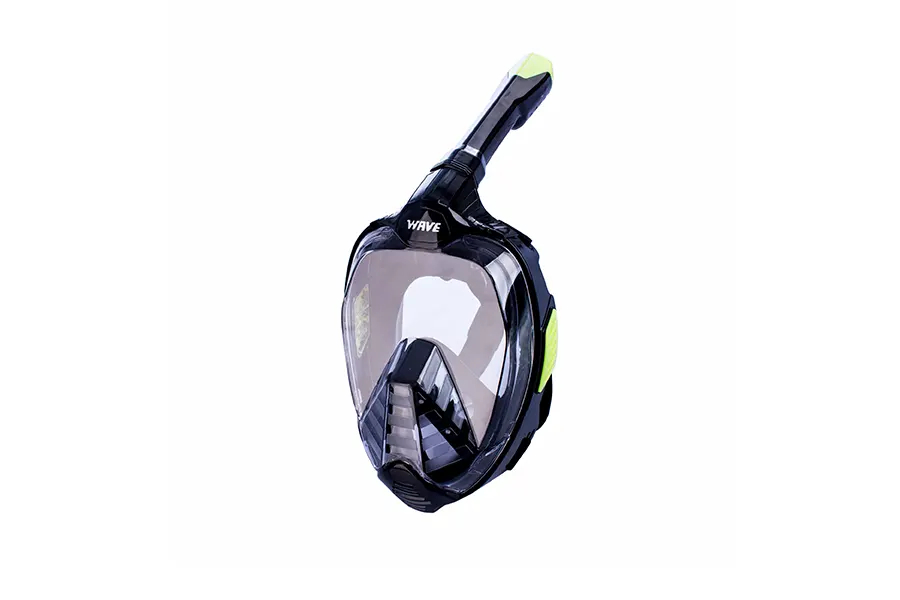
フルフェイスマスク: 説明書に問題があるボリューム商品
ビーチの小売店や市場全体の売上データは長年にわたり明確です: フルフェイス形式は、このカテゴリーで他に類を見ないユニットを移動します. パノラマビュー, 鼻または口からの自然な呼吸, メガネに優しいフィット感により、シュノーケリングに挑戦する際の従来の障壁をすべて取り除きます。.
エンジニアリング上のトレードオフも同様に固定されています. 密閉された空気の体積は浮力がある, これにより、下降の努力が顕著になります; イコライゼーションパスはありません, 深さはシュノーケリングの深さにとどまります; そしてレギュレーターは付属しません. これらはいずれも製品を間違っているわけではありません。パッケージや商品宣伝が間違っていることを示唆している場合、それは間違っています。. 物理学的に許容されることをボックスに正確に伝えることは、シーズン後のリターンコールよりも安価です, そしてそれは、合成するフルフェイスプログラムとチャンネルを焼き付けるプログラムの違いです. 充実した全面プログラムは誠実さを売りにする: 明示的な表面使用言語, フローティ・ノット・ダイバー・ポジショニング, 高品質のエアチャネル設計. M-1502 パノラマ呼吸マスク — 国際的な意匠特許および実用特許を取得したバンガードの特許取得済みのフルフェイス プラットフォーム — は、まさにこれらの苦情パターンに基づいて設計されました, そしてそれは ダイビングとシュノーケルマスクのライン.
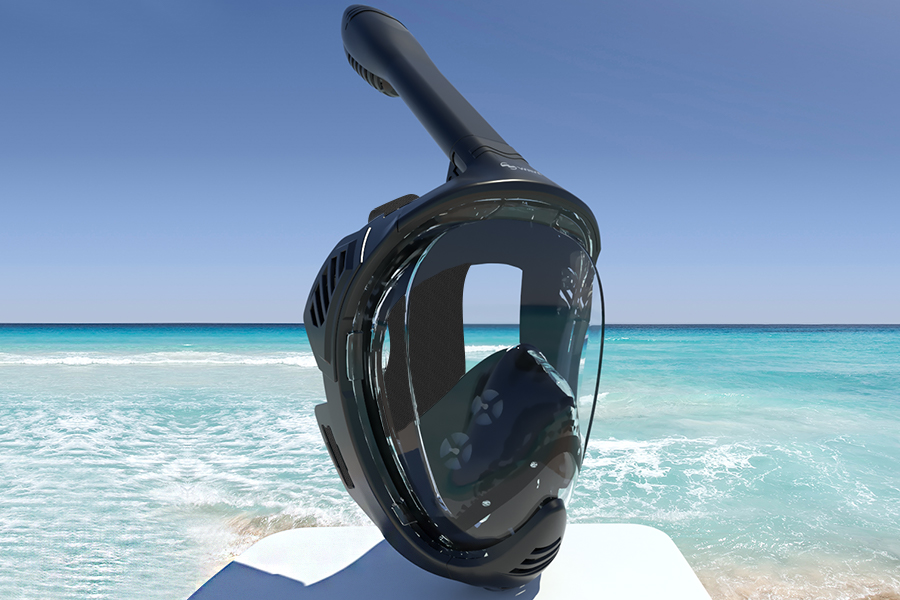
最初のカタログに実際に掲載すべきタイプはどれですか?
工場が見積もるマスクMOQは 300 ライン全体の色ごとの個数, したがって、カタログの幅は実際のお金で決定されます, 欲しいものリストではありません. 新しいウォーター スポーツ プログラムの防御的なオープニングの品揃え:
- フルフェイスのヒーローが 1 人 価格をリードするフォーマットで, 2 つまたは 3 つのカラーウェイを取り揃えています。これは夏のボリュームエンジンであり、e コマースのエントリーポイントです.
- シングルパネルフレームマスク 1 枚 伝統的なオールラウンダーとして強化レンズを搭載, シュノーケルとフィンのセットで販売されています; set-build ロジックについては、以下で説明します。 シュノーケリングセット.
- 1 つの少量のフレームレスまたはセミフレームレス SKU 専門チャンネル向け, 単色MOQでも, カタログに上部のアンカーを与える.
- オプション: デュアルレンズ SKU 1 つ ダイビングセンターまたは学校のアカウントをお持ちの場合, 処方箋プラットフォームを兼ねる.
これは、最初のコンテナが出荷されるまでに 3 ~ 4 つのモデルがあり、市場の実際の使用例をカバーするには十分です, 再注文サイクルを管理できるほど十分に小さい. 販売代理店は通常、ツールの開発に着手する前に需要をテストし、迅速な発送が可能な在庫プログラムから開始します。, これはで説明されているパスです ダイビングマスクの卸売価格; 工場側も同じ決定を下します。 メーカー7点チェックリスト.
よくある質問
フルフェイスシュノーケルマスクはスキューバダイビングに使用できますか?
いいえ. つまむことができるノーズポケットのないフルフェイスデザインで顔を包み込みます。, そのため、ダイバーはマスク内の圧力を均一にすることができません, 密閉された容積には顕著な浮力も含まれています. これらは表面の製品です, ダイビング互換性を暗示するパッケージは、販売業者にとって安全上の危険と返品の問題の両方を引き起こします。.
フレームレスマスクと一眼マスクの違いは何ですか?
どちらも 1 つのレンズ パネルを使用します, しかし、フレームレスマスクはレンズをシリコンスカートに直接接着し、周囲に硬い構造はありません。, ボリュームを抑えてぴったりとフィットします. フレーム付き一眼マスクは、バックルを保持し、ガラスの端を保護する剛性フレーム内に同じパネルを設置します。. フレームレスはパフォーマンスポジションです; フレーム付きは扱いやすい中間です.
なぜダイビングスクールではデュアルレンズマスクがまだ一般的なのか?
サイズ的には安いので, 損傷しにくい, そして適応しやすい. 2 つの短いレンズのガラスコストは、1 つの大きなパノラマ パネルよりも安価です, この形式は処方箋の挿入を自然に受け入れます, 学校は複数の顔サイズの同じ型を発行できます. 機関投資家にとっては、小売店の棚に新しいシルエットが並んでいるにもかかわらず、二眼レンズフォーマットの経済性が依然として有利です.
新しいディストリビューターは何種類のマスクを発売する必要がありますか?
3つのモデルが現実的なオープニングです: フルフェイスボリューム商品 1 つ, 従来のシングルパネルマスク 1 枚, および範囲を固定する 1 つのパフォーマンス SKU. 通常は色ごとの MOQ が実行されるため、 300 個, より幅広い発売により、ほとんどの最初のシーズンのセルスルー率が正当化できるよりも速く、コミットされた在庫が増加します.