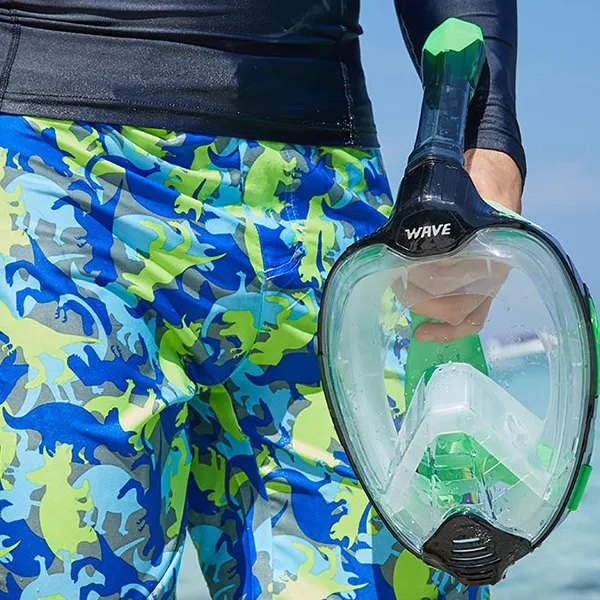
処方箋付きダイビングマスクは、ウォータースポーツ用品市場で最も急速に成長している専門分野の 1 つです。. マスクに補正レンズを内蔵, これらは、さもなければ水中視界がぼやけることに苦労する何百万もの近視ユーザーに、シュノーケリングやダイビングの機会を与えます。あるいは、標準のマスクの下にコンタクトレンズを着用するなどの非現実的な解決策に頼ることになります。.
B2Bバイヤー向け, このカテゴリーは利益率の高い機会を表します: 処方マスクは標準マスクに比べて 40 ~ 100% の価格割増が発生します, 返品率が低い (この製品は特定の問題を解決するため、, よくわかる問題), ジェネリックメーカーとの価格競争が少なくなる. このガイドでは 2 つの処方アプローチについて説明します, 視度範囲の考慮事項, カスタマイズオプション, MOQ構造, ターゲット顧客分析 - 情報に基づいて調達の決定を下すために必要なすべて.
処方箋付きダイビングマスクへの 2 つのアプローチ
業界では、ダイビングマスクに矯正力を加えるために 2 つの根本的に異なる方法を使用しています。. それぞれに明確な利点があります, コスト構造, そして市場でのポジショニング.
| 特徴 | アプローチA: 内蔵の度付きレンズ | アプローチB: 交換可能なレンズインサート |
|---|---|---|
| 仕組み | マスクのメインレンズは規定の視度に合わせて製造されます。各マスクは特定の処方に合わせてオーダーメイドで製造されます。 | 二次レンズインサートはマスクの標準フラットレンズの後ろにあり、インサートには処方箋が記載されています |
| 視度範囲 | カスタム: 製造限界内の任意の視度 (通常 0 に -8.00, 乱視矯正も可能) | 段付き: 固定増分で利用可能 (-1.0, -1.5, -2.0, -2.5, -3.0, -4.0, -5.0, -6.0, -7.0, -8.0) |
| 光学品質 | 優れた — 単一レンズ, 内部反射なし | 良好 – ただし、インサートとメインレンズの間で内部反射が発生する可能性があります |
| SKUの複雑さ | 高 — すべての視度 × すべてのフレームカラー = 固有の SKU | 低 — 標準マスク SKU + SKUを挿入 (10 視度オプション) |
| 在庫モデル | 受注生産 (注文あたりのリードタイムが長くなる) | 在庫マスク + ストックインサート (注文に応じて組み立てる) |
| 単価 | より高い (注文に応じたカスタムレンズ研磨) | より低い (量産インサート + 標準マスク) |
| 小売価格帯 | $60–$150 | $35–$80 |
| こんな方に最適 | メガネ店, 処方箋サービスのあるダイビングショップ, プレミアムブランド | 小売チェーン, 電子商取引, レンタル事業者 |
アプローチA: 内蔵の度付きレンズ
製造工程
各レンズは個別に研磨され、規定の視度に調整されます。. プロセス:
- 生の強化ガラスブランクは、ターゲットの視度に基づいて選択されます
- CNC 研磨によりレンズ表面を正確な処方に合わせて成形します。
- エッジカットによりマスクのフレームに合わせてレンズの形状を整えます
- エッジ研磨により鋭利なエッジを除去
- 品質検査: 視度の検証, 光学的透明度, エッジ品質
利点
- 正確な補正: 正確な視度の一致 (ハーフステップと乱視のシリンダー矯正を含む)
- 最適な光学品質: 単一の光学面 - 二次反射やゴーストなし
- プレミアムな位置付け: より高い価格帯を正当化する; オーダーメイドのように認識される
制限事項
- リードタイム: 各レンズはオーダーメイドで製造されます - 処方箋あたり 7 ~ 15 日かかります
- SKU管理: すべての視度は個別の SKU です; 在庫計画は複雑です
- 料金: カスタム レンズ研磨では、レンズ ペアごとに 5 ~ 15 ドル追加されますが、. 標準的な平面レンズ
アプローチB: 交換可能なレンズインサート
仕組み
セカンダリ レンズ フレームは、標準的なダイビング マスクの内側にクリップまたはスライドして取り付けられます。. インサートは処方レンズを着用者の目の近くに保持します (マスクのメイン平面レンズの裏側). メインレンズは度なしのままです - シールと視界を提供します, インサートは修正を提供します.
利点
- 在庫効率: ストック標準マスク + 10 視度オプションを挿入します. 注文に応じて組み立てる.
- 低コスト: インサートは固定視度ステップで大量生産されます
- より迅速な履行: マスクを選択します + ピックインサート → 組み立て → 出荷
- レンタル対応: インサートを交換することで、同じマスクを異なるユーザーに提供できます
制限事項
- ステップジオプターのみ: ユーザーは利用可能な最も近いステップに四捨五入する必要があります (例えば。, a -2.75 処方箋は、 -2.5 または -3.0 入れる)
- 内部反射: インサートとメインレンズの間で光が反射する可能性があります, 明るい場所でゴーストが発生する
- 視野の縮小: インサートはメインレンズより小さい, を作成する “窓の中の窓” 効果
- 霧のリスク: インサートにより追加のエアギャップが生成され、湿気が閉じ込められる可能性があります
視度範囲: 市場が必要としているもの
世界的な近視統計と当社の注文データに基づく, こちらは処方箋付きダイビングマスクの需要分布です。:
| 視度範囲 | % 処方マスク購入者の割合 | 在庫の推奨事項 |
|---|---|---|
| -1.0 に -2.0 (軽度の近視) | ~25% | 大量に在庫 – 最大量 |
| -2.5 に -4.0 (中度の近視) | ~40% | 在庫が多い — 最大のセグメント |
| -4.5 に -6.0 (強度近視) | ~25% | 適度にストックする |
| -6.5 に -8.0 (非常に強度の近視) | ~8% | 少量在庫または受注生産 |
| +1.0 に +3.0 (遠視 / 読む) | ~2% | 受注生産のみ |
重要な洞察: 65% の処方マスク購入者が以下の期間に必要とする -2.5 そして -4.0 ジオプター. 小売用に仕入れている場合, この範囲には最も深い在庫が必要です. と組み合わせる -1.0 に -2.0, の -1.0 に -4.0 範囲はおよそをカバーします 65% 需要の.
B2Bバイヤー向けのカスタマイズオプション
アプローチAの場合 (内蔵処方箋)
- ベースマスクモデルを選択してください (フレームデザイン, スカートの色, ストラップタイプ)
- 単位ごとの視度を指定する (正確な処方箋, 乱視用シリンダーを含む)
- 視度ラベル付きのカスタムパッケージ
- フレームとパッケージのカスタムロゴ
- MOQ: 300 マスクモデルあたりの個数 (MOQ内で視度を混合することができます)
アプローチBの場合 (交換可能なインサート)
- ベースマスクモデルを選択してください
- インサート視度分布を指定する (例えば。, 50× -2.0, 100× -3.0, 50× -4.0)
- 視度ラベル付きのカスタムインサートパッケージ
- マスクフレームのカスタムロゴ, フレームを挿入する, と包装
- MOQ: 100 インサートジオプターあたりの個数; マスクのMOQは標準条件に従います
ターゲット顧客分析
| 顧客セグメント | 好ましいアプローチ | 購買行動 | 価格感度 |
|---|---|---|---|
| 近視の娯楽用シュノーケリングをする人 | アプローチB (入れる) | オンライン購入; オプションを比較します; レビューを読む | 中 - ソリューションに対して 40 ~ 60 ドルを支払う意思がある |
| 近視のスキューバダイバー | アプローチA (内蔵) | ダイビングショップ購入; インストラクターの推薦を信頼します | 低 — 安全性と品質が優先事項; $80–150ドルは許容可能 |
| ダイビングレンタル業者 | アプローチB (入れる) | まとめ買い; 複数のジオプターが必要です; 耐久性重視 | 大量の購入者; $25– ユニットあたり 40 ドルの目標 |
| メガネ店 / 検眼医 | アプローチA (内蔵) | カスタム処方サービス; プレミアムポジショニング | 低 — 医療隣接チャネル; $100–小売$150 |
| アマゾン / eコマース販売者 | アプローチB (入れる) | 在庫 5 ~ 8 ジオプター SKU; FBA対応の梱包 | 中規模 — 競争の激しい市場; $35–小売$60 |
処方マスクに特有の品質要件
度付きレンズには、標準のマスクテストに加えて追加の QC チェックが必要です:
| テスト | 測定内容 | 合格基準 |
|---|---|---|
| 視度の検証 | 実際の視度は規定値と一致します | ターゲットから±0.12ジオプトリ以内 |
| 光学中心合わせ | レンズの光学中心が瞳孔の位置と一致します | 設計位置±1mm以内 |
| 表面品質 | 傷なし, 泡, またはオプティカルゾーン内のインクルージョン | 直径25mmの中央ゾーンで欠陥ゼロ |
| エッジ品質 | チップなし, ひび割れ, または鋭いエッジ | 滑らかな磨き; 指先テストに合格 |
| 透過率 | 補正レンズを通過する十分な光 | ≥ 89% クリアレンズ用 |
価格体系
| 製品タイプ | 基本マスクコスト | 処方箋アドオン | 総単価 | 推奨小売店 |
|---|---|---|---|---|
| アプローチA: 内蔵処方箋 (標準視度) | $6–$10 | +$5– レンズペアあたり 8 ドル | $11–$18 | $60–$100 |
| アプローチA: 内蔵処方箋 (乱視矯正) | $6–$10 | +$10– レンズペアあたり 15 ドル | $16–$25 | $80–$150 |
| アプローチB: 標準マスク + 入れる | $6–$10 | +$2– インサートごとに $4 | $8–$14 | $35–$60 |
よくある質問
同時注入フレームを使用した処方マスクを製造できますか?
はい. 同時射出プロセスはフレームとスカートに適用されます。レンズは処方タイプに関係なく別個のコンポーネントです。. 同時注入フレームと度付きレンズにより、優れた密閉性とカスタム視力補正の組み合わせの利点が得られます。.
処方箋の注文のリードタイムはどのくらいですか?
アプローチB (入れる): 15–30日 (在庫マスク + ストックインサート, 注文に応じて組み立てられる). アプローチA (内蔵): 30–45日 (カスタムレンズ研削により、標準の生産スケジュールに 7 ~ 15 日追加されます).
処方箋製品の返品はどのように処理すればよいですか?
アプローチBの製品は在庫の返品が可能です (インサートは異なる視度に交換可能). アプローチ A 製品はカスタムメイドであり、再販できません — これを返品ポリシーに織り込みます. を推奨します。 “フィット保証” モデル: 視度が間違っている場合, 全額返金ではなく実費でのレンズ交換を提案する.
処方箋付きフルフェイスシュノーケルマスクの市場はありますか?
はい, しかしそれはより複雑です. フルフェイスマスクは、より広い空間内で機能するために処方インサートが必要です, インサートは呼吸の空気の流れを妨げてはなりません. 当社は処方箋対応のフルフェイスマスクソリューションを開発中です - 最新の在庫状況についてはお問い合わせください.