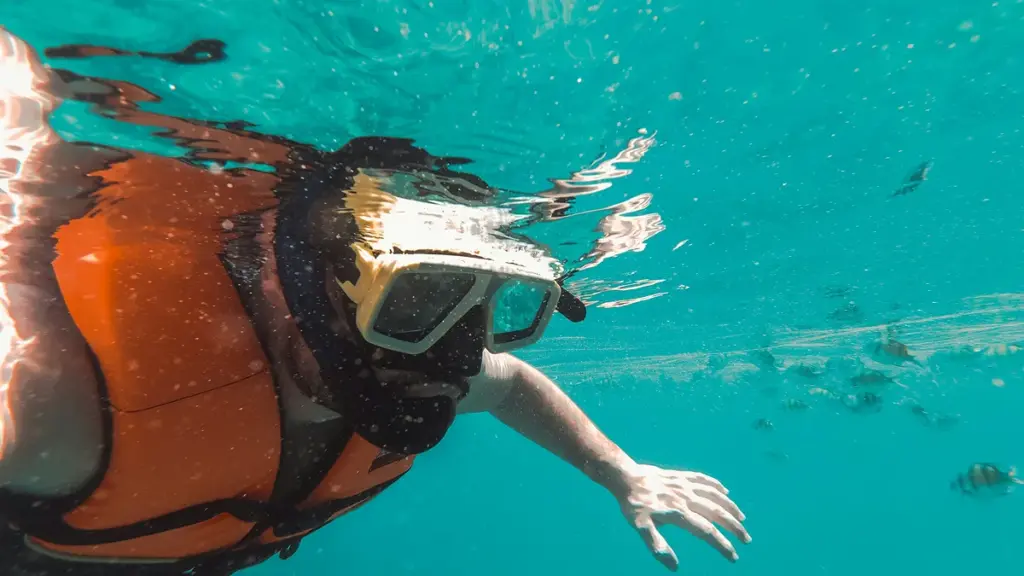
規制交差点に置かれたダイビングマスク. それらは同時に: 個人用保護具 (目の保護), 圧力がかかる装置 (目の前の空域), および皮膚に接触する製品 (シリコンスカートを顔に当てます). 市場に応じて, さまざまな規制の枠組みが適用され、どれか 1 つを間違えると税関での保留が発生する可能性があります, マーケットプレイスの削除, または製造物責任のリスク.
このガイドは、主要市場ごとのダイビングマスクのすべての認証およびテスト要件をカバーしています。. 当社は、ダイビングマスクと一般的なシュノーケリング用具を区別する特定の材料コンプライアンス問題、特に強化ガラスの安全基準に取り組んでいます。, CO₂保持試験, シリコーン生体適合性. 当社の工場はISOを取得しています 9001:2015, BSCI, FDA 準拠の材料を使用して CE 準拠の製品を製造します。これが、当社が日々運用している準拠基準です。.
規制上の分類: ダイビングマスクがフィットする場所
| 市場 | 規制の枠組み | 分類 | リスクカテゴリ |
|---|---|---|---|
| 欧州連合 | PPE 規制 (欧州連合) 2016/425 | 個人用保護具 — 目/顔の保護具 | カテゴリーI (最小限のリスク) レクリエーション用; プロ/商業ダイビングのカテゴリー II |
| 米国 | FDA 21 CFR (材料); ANSI Z87.1 (目の保護); CPSC (一般的な製品の安全性) | 医療機器ではありません; 材料安全性および一般的な製品安全規制の対象となる | 消費者製品 — 一般的な安全義務 |
| オーストラリア | ACCC 消費者保護通知; AS/NZS 1338.1 | 目の保護基準を備えた消費者製品 | 規制された消費財 |
| 日本 | JIS T 8103 (工業用目の保護具); 消費生活用製品安全法 | 消費者向け製品; 工業規格のリファレンス | 規制された消費財 |
欧州連合: PPE規制に基づくCEマーキング
適用規格
- で 168:1995 — 個人用以外の目の保護具 (レンズの光学要件)
- で 166:2002 — 個人用目の保護具 (ダイビングマスクの主な規格)
- EU規制 2016/425 — PPE規制 (法的枠組み)
EN に基づく主要なテスト要件 166
| テスト | 測定内容 | 合格基準 |
|---|---|---|
| 光パワー (屈折) | レンズは視界を歪めません | クラス±0.06ジオプトリー以内 1 レンズ |
| プリズムパワー | レンズはプリズム効果を生み出しません | ≤ 0.25 プリズムジオプター |
| 光透過率 | レンズを十分な光が通過します | ≥ 89.3% クリアレンズ用 (クラス 1.1) |
| 拡散 | レンズが光を過度に散乱させない | ヘイズ ≤ 2.5% |
| 耐衝撃性 (基本的な) | レンズは破損することなく衝撃に耐えます | 45 m/s 鋼球衝撃 - 貫通なし, 断片化なし |
| 耐衝撃性 (高い, 主張されれば) | レンズは高エネルギー衝撃に耐えます | 120 m/s 鋼球 — のマークが付いています “B” 評価 |
| 耐発火性 | フレームとスカートは燃焼を持続しません | 内部で自己消火 5 炎を除去してから数秒後 |
| 耐食性 | 金属コンポーネントは塩水腐食に耐えます | 48-1時間の塩水噴霧試験でも機能劣化なし |
CO₂ 保持試験
ダイビングマスクとスイミングゴーグルを区別するテストです. ダイビングマスク内の密閉空間は、マスクの設計で適切なフラッシングができない場合、呼気した CO₂ が蓄積する可能性があることを意味します。. このテストでは、模擬呼吸中のマスク内の CO₂ 濃度を測定します。.
合格基準: 吸入空気中の CO₂ 濃度は以下を超えてはなりません 2% (体積で) 指定された呼吸条件下で. これはマスクの内部容積の関数です (デッドスペース), 排気バルブの設計 (フルフェイスマスク用), と呼吸数.
B2Bバイヤー向け: CO₂ 保持は主に設計上の問題です. マスクの内容積が小さいほど、当然のことながらパフォーマンスが向上します。. これが理由の 1 つです “少量の” マスクのデザインが好まれます - デッドエアスペースを減らし、CO₂ の排出を改善します.
米国: FDA の材料コンプライアンス + ANSI の目の保護
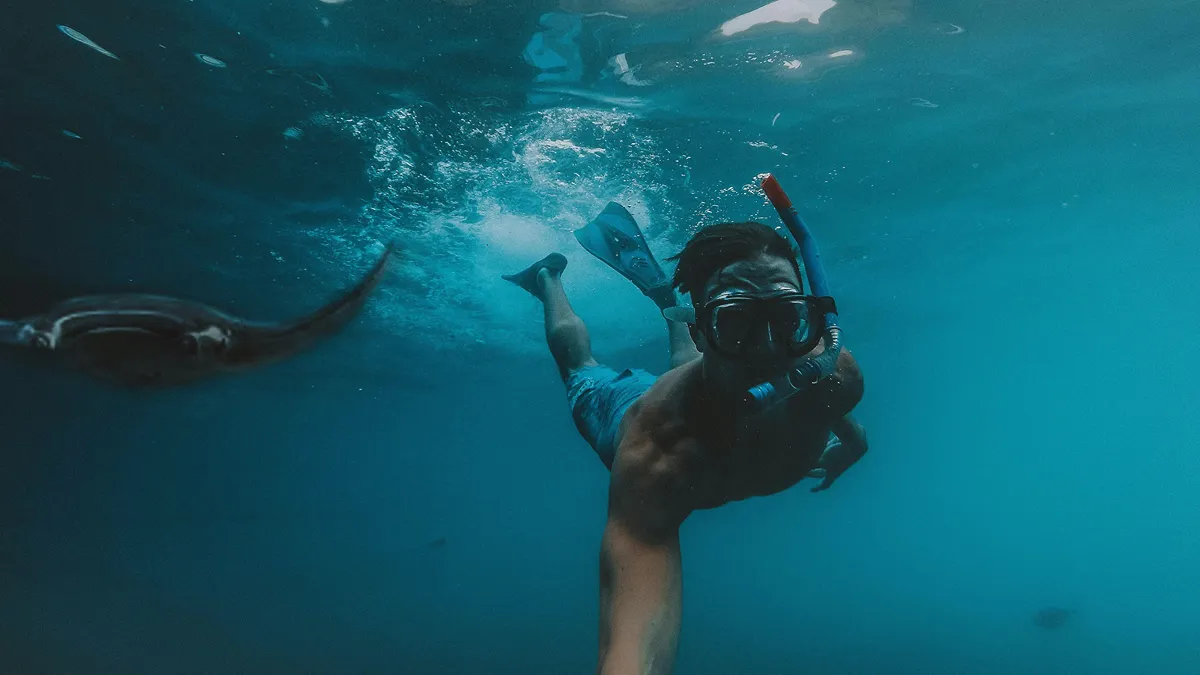
FDA の材料コンプライアンス
ダイビングマスク自体は医療機器または FDA 規制の製品ではありません. しかし, 材料の安全性を主張して製品を販売する場合 (“食品グレードのシリコーン,” “FDA準拠の材料,” “低刺激性”), 材料は以下に準拠する必要があります:
- FDA 21 CFR 177.2600 — 繰り返し使用することを目的としたゴム製品 (シリコンスカート, バイトバルブ)
- FDA 21 CFR 177.1550 — アクリルおよびアクリロニトリル共重合体 (ポリカーボネートフレーム - 食品との接触が主張される場合)
実用的な要件: シリコーン材料のサプライヤーは、FDA 準拠レターまたは登録番号を提供する必要があります. 市場のコンプライアンスレビューのためにこれをファイルに保管してください.
ANSI Z87.1 — 目の保護
レクリエーション用ダイビングマスクには法的に義務付けられていませんが、, ANSI Z87.1 準拠は強力な安全信号です. カバーします:
- 耐衝撃性 (レンズとフレーム)
- 光学的透明度
- カバレッジ (目の保護領域)
ANSI Z87.1 に準拠した製品では、 “Z87” フレーム上のマーク — 信頼性を高める、認識可能な安全バッジ.
CPSC 一般製品安全性
消費生活用製品安全委員会は、一般消費者製品の安全性を管轄しています。. ダイビングマスクに関する特定の CPSC 規格はありませんが、, 一般製品安全法では、消費者向け製品には不当な傷害の危険が生じないことが求められています. 主要分野:
- 通常の使用ではレンズが割れてはいけません (強化ガラスはこれを満たします)
- 材料は化学火傷やアレルギー反応を引き起こしてはなりません
- 小さな部品は窒息の危険を引き起こしてはなりません (子供向けに販売されている、または子供がアクセスできる製品の場合)
材料固有のコンプライアンス: 強化ガラス
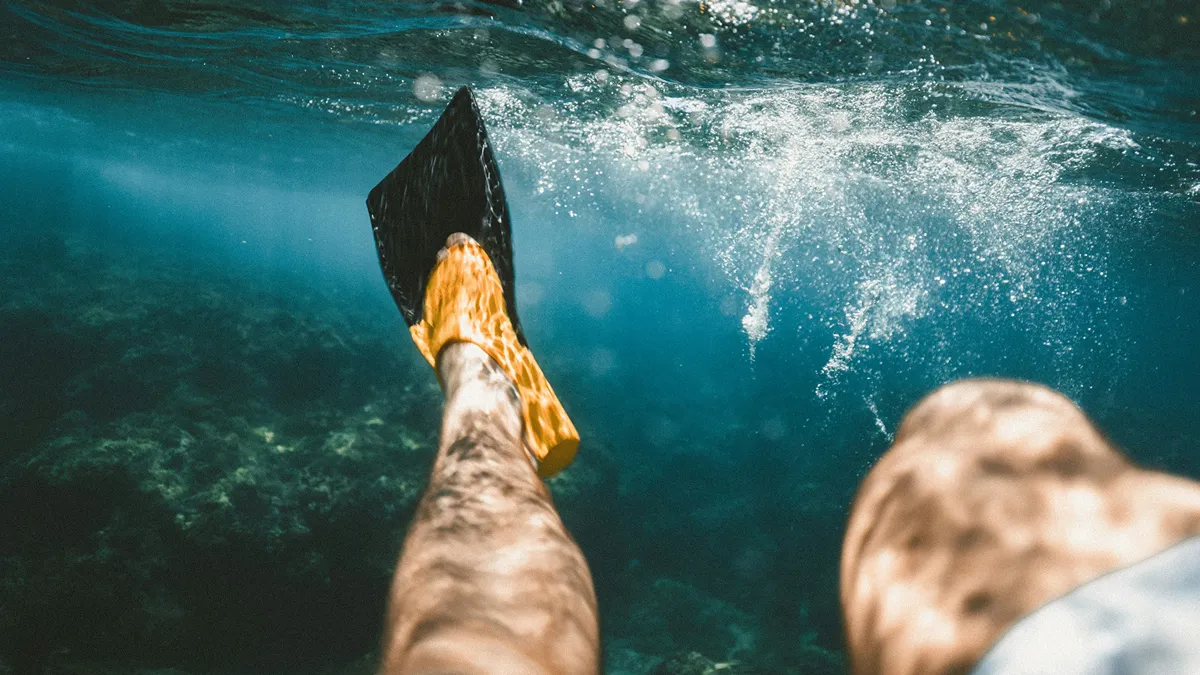
強化ガラスは、高品質のダイビングマスクの業界標準のレンズ素材です. コンプライアンスプロファイル:
| 市場 | 標準 | 要件 |
|---|---|---|
| 欧州連合 | で 166 | 耐衝撃性 (45 最小 m/s); 断片化テスト (鋭利な破片を生成してはなりません) |
| 私たち | ANSI Z87.1 | 高影響評価 (120 メートル/秒 “Z87+” マーキング); 基本的な影響 (ドロップボールテスト) |
| オーストラリア | AS/NZS 1338.1 | 耐衝撃性; 光学品質 |
重要な注意事項: ポリカーボネートレンズは強化ガラスよりも軽量で耐衝撃性に優れています。, しかし傷がつきやすくなります. EU市場向け, ポリカーボネートレンズもENを満たす必要があります 166 光学要件 - 達成可能ですが、ハードコート処理が必要です. 強化ガラスはENを満たす 166 当然の光学要件.
材料固有のコンプライアンス: シリコーン
| テスト | 標準 | 対象となるもの | 必要な場合 |
|---|---|---|---|
| FDAへの準拠 | 21 CFR 177.2600 | 繰り返し使用される皮膚接触用ゴム製品 | 米国市場; 物質の安全性に関する主張 |
| 生体適合性 - 細胞毒性 | ISO 10993-5 | 材料は培養中の細胞を殺さない | アマゾン, 大手小売店 |
| 生体適合性 - 感作 | ISO 10993-10 | アレルギー感作を引き起こさない素材です | アマゾン, 大手小売店 |
| 生体適合性 - 刺激性 | ISO 10993-23 | 皮膚刺激を引き起こさない素材 | アマゾン, 大手小売店 |
| REACH準拠 | EC 1907/2006 | SVHCなし (非常に懸念の高い物質) その上 0.1% | EU市場 |
| プロップ 65 コンプライアンス | カリフォルニアの健康 & 安全規定 25249 | セーフハーバーレベルを超える化学物質はリストに掲載されていない | カリフォルニア市場 |
輸出向けの品質管理テスト
規制認証を超えて, これらの QC テストは輸出品質のダイビングマスクの標準です:
| テスト | 方法 | 頻度 | 合格基準 |
|---|---|---|---|
| 気密性 | 顔の形に密着したマスク; 真空を適用 | 100% (すべてのユニット) | 圧力降下なし 10 秒 |
| 防曇持続時間 | レンズを 40°C の湿った空気にさらした場合 | AQLサンプリング | ≥ 30 曇る数分前 (コーティングされたレンズ) |
| スカートの接着強度 | フレームとスカートの接合部の剥離試験 | バッチごと | ≥ 8 N/mm (同時注入された); ≥ 2 N/mm (接着された) |
| レンズ衝撃 | 規定の高さからの鋼球の落下 | AQLサンプリング | 骨折なし, 断片化なし |
| 色堅牢度 | 紫外線への曝露 + 塩水に浸す | バッチごと | 目に見える色褪せや色移りはありません |
| ストラップ引張強度 | ストラップ取り付けラグの引っ張りテスト | バッチごと | ラグは 50N に耐えて変形しません |
コンプライアンス文書パッケージ
完全な輸出出荷の場合, このドキュメント パッケージを準備します:
- EU 適合宣言 (CEマーキング対応)
- 認定試験所からの試験レポート (で 166, またはANSI Z87.1)
- FDA の材料コンプライアンスレター (シリコーン部品用)
- 生体適合性試験レポート (ISO 10993 シリーズ)
- REACH 準拠に関する声明 (EU向け)
- プロップ 65 コンプライアンスに関する声明 (カリフォルニア用)
- 製品安全データシート (MSDS) すべてのコンポーネントに対して
- 原産地証明書
- 商用請求書と梱包リスト
- 第三者検査報告書 (SGS, インターテック, または TÜV — 委託された場合)
よくある質問
CE マーキングのダイビングマスクについては認証機関が必要ですか??
カテゴリー I PPE の場合 (レクリエーション用ダイビングマスク), 自己申告は許可されています - 通知機関は必要ありません. カテゴリ II または III の場合 (プロ用/商業用ダイビングマスク), 指定機関は適合性を評価し、EU 型式検査証明書を発行する必要があります。.
複数の SKU に同じテスト レポートを使用できますか?
SKU が同じレンズ素材を共有している場合, フレーム素材, スカートの素材 — 色またはストラップの構成のみが異なります — 通常、単一のテストレポートですべてのバリエーションがカバーされます. フレームジオメトリが変わった場合 (レンズサイズが違う, 内部容積が異なる), 新しいテストレポートが必要です.
新しいダイビングマスクの完全な適合性テストの費用はいくらですか?
完全なテスト パッケージの予算は約 3,000 ~ 8,000 ドル: で 166 テスト ($1,500–$3,000), 生体適合性 ($800–2,000ドル), FDA の材料コンプライアンス ($200–$500), リーチ/プロップ 65 スクリーニング ($500–$1,500). タイムライン: 4–すべてのテストが完了するまでに 8 週間.