Если вы покупаете маски для дайвинга для своего бренда или розничной торговли., вы, вероятно, встречали этот термин «совместная инъекция силикона» — или его маркетинговый вариант, «встроенное силиконовое уплотнение.» Это один из тех производственных терминов, который звучит впечатляюще, но редко объясняется так, чтобы помочь B2B-покупателю понять почему это важно.
Эта статья представляет собой техническое объяснение. Мы рассказываем, что такое коинъекция на самом деле, чем он отличается от традиционной клееной сборки, почему он создает принципиально более прочное уплотнение, и что это значит для качества вашей продукции, процент возврата, и конкурентное позиционирование. Наш завод использует интегрированные машины для совместного литья силикона в качестве основного производственного потенциала — у нас есть технологические данные, подтверждающие каждую претензию..
Проблема, которую решает совместная инъекция
Маска для дайвинга состоит из двух основных компонентов.: жесткая рама (поликарбонат или АБС-пластик) и мягкая юбка (силиконовая резина) который плотно прилегает к лицу дайвера. Эти две части должны быть надежно соединены — от уплотнения между ними зависит, будет ли маска протекать..
Традиционный метод: клеевое соединение. Силиконовая юбка отформована отдельно., затем приклеил к пластиковой рамке с помощью клея на силиконовой основе.. Это механическое соединение — клей находится между двумя поверхностями и скрепляет их..
Слабые стороны клеевого соединения:
- Деградация клея: Через некоторое время, воздействие УФ, соленая вода, и циклическое изменение температуры разрушает клей.. Связь ослабевает, и юбка начинает отделяться от рамы.
- Непоследовательная линия связи: Нанесение клея обычно осуществляется вручную или полуавтоматически.. Различия в толщине клея, покрытие, и отверждение приводят к нестабильному качеству соединения — даже в пределах одной и той же производственной партии..
- Выделение газа возле линзы: Клей рядом с областью линзы может выделять летучие соединения во время первых нескольких использований., способствует запотеванию.
- Единая точка отказа: Если клей разрушается в любой точке линии склеивания, вода попадает в маску.
Как работает совместная инъекция
Совместное впрыскивание силикона полностью исключает наличие клея.. Вот процесс:
- Размещение рамки: Каркас из поликарбоната загружается в прецизионную форму.. Форма удерживает раму в точном положении с жесткими допусками. (±0,05 мм).
- Жидкий силикон для инъекций: Жидкий силиконовый каучук (ЛСР) впрыскивается непосредственно в полость формы вокруг рамы. LSR течет в каждый канал, канавка, и подрез рамы — создание механической блокировки на микроуровне.
- Одновременное отверждение: Форма нагревается для отверждения силикона.. Во время цикла отверждения, силиконовые поперечные связи с поверхностной обработкой поликарбонатного каркаса создают связь на молекулярном уровне., не только механический.
- выброс: Готовая маска (рамка + юбка как единое целое) выбрасывается из формы. Не требуется вторичная сборка или отверждение клея..
Ключевое отличие: при совместной инъекции, силикон не садится поверх кадр — он течет в структура поверхности каркаса и связи на молекулярном уровне. Результатом является единый интегрированный компонент., не две части, скрепленные клеем.
Совместная инъекция против. Традиционная ассамблея: Лицом к лицу
| Метрика производительности | Традиционный (Клееный) | Совместная инъекция (Интегрированный) |
|---|---|---|
| Прочность связи (тест на пилинг) | 2–4 Н/мм | 8–12 Н/мм (3х сильнее) |
| Консистенция связи | ±15–20% вариация (ручное нанесение клея) | ±3–5% вариация (машинный впрыск) |
| Защита от запотевания | Хороший (зависит от покрытия; выделение газа из клея может ускорить запотевание) | Отличный (нет клея возле линзы; более чистая среда уплотнения) |
| Срок службы продукта | 1–3 года (деградация клея) | 5+ годы (облигация не деградирует при нормальном использовании) |
| Температурная устойчивость | -10от °С до 60 °С (пределы адгезии) | -40от °С до 200 °С (силиконовые пределы) |
| Коэффициент возврата, связанный с утечкой | 3–8% (средний показатель по отрасли) | <1% (по данным производства) |
| Стоимость производства за единицу | Ниже (более простое оборудование) | Выше (инвестиции в машину совместного впрыска) |
| Стоимость пресс-формы | Ниже (отдельные формы для рамы и юбки) | Выше (интегрированная форма с системой размещения рамы) |
Почему это важно для покупателей B2B
Более низкие ставки возврата
Утечки маски – это #1 Причина, по которой клиенты возвращают маски для сноркелинга и дайвинга. Если ваш текущий коэффициент возврата, связанный с утечками, 5%, совместная инъекция может снизить его до уровня ниже 1%. Для переезда розничного продавца 10,000 масок в год, то есть 500 меньше возвратов — каждый из них обходится вам в обратную логистику, пополнение запасов, и доброжелательность клиентов.
Премиум-позиционирование
Совместное внедрение — это настоящее технологическое отличие, а не маркетинговый трюк.. Вы можете уверенно общаться «встроенное силиконовое уплотнение» или «совместная инъекция, связанная» на упаковке и страницах продукта. Потребители, изучающие маски для дайвинга, узнают этот термин и поймут его ценность..
Более длительная гарантия на продукт
Более прочное соединение и более длительный срок службы материала обеспечивают более длительный гарантийный период.. Двухлетняя гарантия на маску для совместного введения снижает риск для производителя.; та же гарантия на приклеенную маску - это ответственность.
Патентная защита
Производители, обладающие возможностью совместного впрыска, обычно владеют патентами на конструкцию пресс-формы., параметры процесса, или особая геометрия рамы, оптимизированная для совместного впрыска. Наше портфолио включает в себя 50+ патенты, охватывающие дизайн и процессы производства масок. Когда вы получаете продукцию от производителя, имеющего патент, вы снижаете риск того, что ваша продукция будет оспорена за нарушение прав интеллектуальной собственности.
Как определить настоящего производителя коинъекций
Не каждая фабрика, заявляющая «силиконовое уплотнение» на самом деле использует совместную инъекцию. Некоторые широко используют этот термин для обозначения склеенной сборки с силиконовым клеем.. Вот как проверить:
- Попросите фото в разрезе. Настоящая маска, изготовленная совместно с инъекцией, показывает, как силикон течет во внутренние каналы оправы — это видно на поперечном разрезе.. Приклеенная маска показывает четкую линию разделения между рамой и юбкой..
- Запросить отчет об испытаниях на отслаивание. Прочность связи при совместной инъекции должна быть 8+ Н/мм. Если поставщик не может предоставить данные испытаний, у них может не быть возможностей процесса.
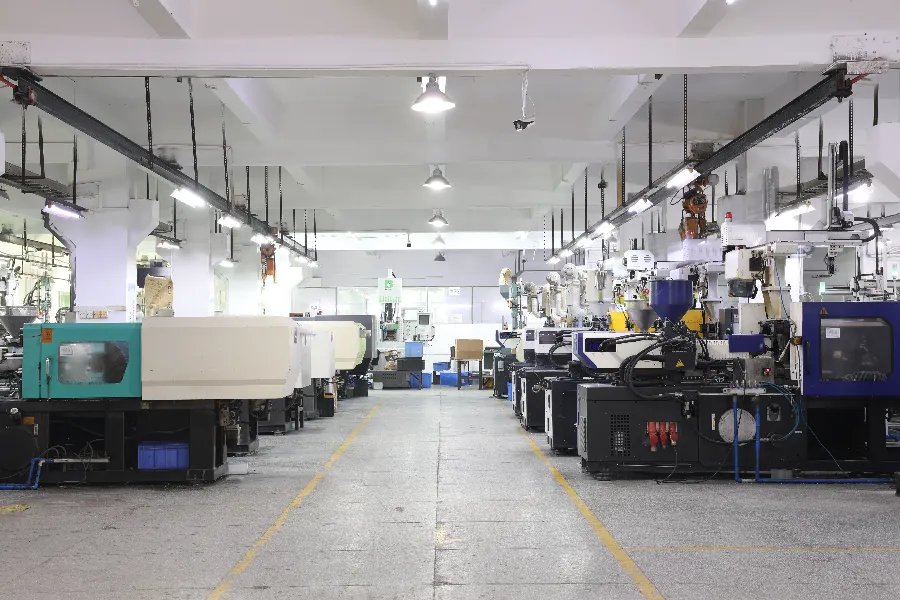
- Посетите фабрику (или запросите видеотур). Для совместного впрыска требуются специализированные литьевые машины LSR с системами рамной загрузки.. Если в заводском цехе показаны только стандартные термопластавтоматы и станции ручной сборки., они не делают совместные инъекции.
- Проверьте паковку пресс-формы. Формы для совместного литья более сложны и дороги, чем стандартные формы.. Поставщик, предлагающий качество совместного впрыска по стандартной цене на пресс-форму, где-то срезает углы..
Совместное впрыскивание и индивидуальный дизайн
Возможность совместного впрыска влияет на свободу проектирования. Потому что силикон затекает в раму во время формовки., конструкция рамы должна соответствовать процессу:
- Подрезы и каналы: Рама должна иметь специально разработанные подрезы и микроканалы для стекания силикона.. Это спроектировано в форме с ЧПУ..
- Обработка поверхности: Каркас из поликарбоната может потребовать поверхностной обработки. (плазма или праймер) для содействия молекулярному связыванию с силиконом.
- Контроль толщины стенки: Стенки каркаса должны быть достаточно толстыми, чтобы выдерживать давление впрыска без деформации., но достаточно тонкий, чтобы обеспечить поток силикона.
Эти проектные требования не являются ограничениями — это инженерные параметры, которые опытный производитель совместного впрыска оптимизирует в ходе DFM. (Проектирование для производства) фаза. Наша команда инженеров предоставляет обратную связь по DFM в течение 24–48 часов с момента получения ваших проектных файлов..
Часто задаваемые вопросы
Работает ли совместный впрыск и с юбками из TPR??
Нет. Совместное впрыскивание специально разработано для жидкого силиконового каучука. (ЛСР). TPR имеет разные характеристики текучести и отверждения и не может вводиться совместно с поликарбонатом в одном процессе.. Вместо этого в юбках TPR используется механическая блокировка с рамой..
Могу ли я увидеть разницу между коинъекционными и приклеенными масками??
Визуально, разница незначительна. Совместно введенная маска может иметь немного более широкую переходную зону между рамкой и юбкой. (где силикон затекает в раму). Самый надежный тест — это тест на отслаивание — попробуйте отделить юбку от рамы.. На приклеенной маске, юбка аккуратно снимается. На коинъекционной маске, силикон рвется до того, как соединение разорвется.
Сколько стоит коинъекция?
Стоимость единицы продукции примерно на 15–25% выше, чем клееной сборки. (из-за более высокой амортизации затрат на пресс-форму и более медленного времени цикла). Однако, если учесть сниженную норму прибыли, более продолжительное гарантийное обслуживание, и потенциал премиальной цены, общая стоимость владения ниже для большинства покупателей B2B.