Der Gast checkt um elf Uhr aus dem Resort aus, stoppt um zehn nach zehn im Geschenkeladen, und kauft die einzige Schnorchelausrüstung, die tatsächlich ins Handgepäck passt. Diese Transaktion – ungeplant, Impulspreis, In Sekundenschnelle an einem Schalter entschieden – das ist das ganze Geschäftsargument für reisefreundliche Schnorchelflossen. Für Käufer im Resort-Einzelhandel, Kreuzfahrt-Land-Aufregungsgeschäfte, Souvenirs vom Flughafen, und Reiseveranstalter, Die Kompaktflosse ist keine abgeschwächte Version einer echten Flosse. Es ist ein anderes Produkt mit einer anderen Aufgabe: Verwandeln Sie eine Erinnerung in Ware, die einen Koffer überdauert, ein Leihfahrrad, und ein oder zwei Saisons, ohne dass ein Garantieanspruch entsteht.
Die meisten Käufer beziehen diese Kategorie schlecht. Sie ziehen die kleinste Klinge im Katalog des Lieferanten, Bestellen Sie eine Einheitsgröße, die am meisten passt, Ich hoffe, die Verpackungsfotos sind gut, und erfahren Sie die Wahrheit im Ertragsbuch – oder erfahren Sie sie nie, weil Geschenkeladenartikel selten überhaupt formelle Renditen generieren, nur stille Nachfüllfehler. Die Fabriken, die diese Programme entwickeln, behandeln Reiseflossen gut als technische Einzelhandelsobjekte: dimensioniert um den Innenraum des Koffers, schwebte durch Auftriebsentscheidungen, Größe etwa einer Fußfamilie, und preislich so gestaltet, dass sie den Margenstapel des Resort-Einzelhandels überstehen.
In diesem Leitfaden wird aufgeschlüsselt, was reisefreundlich in den Spezifikationen eigentlich bedeutet, wie kompakte Flossen in einem Resortsortiment Platz finden sollten, und wie man Bestellungen nach einer Kategorie strukturiert, die sich in einer Saison verkauft und in einer Tasche lebt.
Key Takeaways
- „Reisefreundlich“ ist ein messbarer Spezifikationssatz, kein Marketing-Adjektiv: verkürzte Klinge, geringes Gewicht, Auftrieb ohne Sinken, Schnellentleerungsgeometrie, und ein Falt-oder-Gurt-System, das der Kompression im Gepäck standhält.
- Kompakte Flossen verkaufen sich in der Impulsökonomie – ein Geschenkladen-Preis erfordert einen Gesamtpreis, der die Margen des Resort-Einzelhandels übersteigt, Dies treibt Programme in Richtung TPR- und Leichtbau-Compound-Konstruktionen statt Silikon-Premium-Konstruktionen voran.
- Die Größenkurve für den Reiseeinzelhandel ist bewusst komprimiert: verstellbare Träger oder Taschen in Einheitsgröße vereinen Passformpräzision mit einfacher Lagerhaltung, weil ein Resort-Shop nicht fünf Größen eines Artikels vorrätig haben kann, der innerhalb von sechs Wochen verkauft wird.
- Käuferbeschwerden in der Kategorie „Reiseflosse“ konzentrieren sich auf Riemenversagen und Blattrisse nach UV-Einwirkung – zwei prüfbare Punkte, die ein vertretbares Programm von einem Deponieprogramm unterscheiden.
- Die Auftragsstruktur folgt dem Reisekalender: Ankünfte vor der Saison, saisonale Auffüllungen ab Lager mit schnellem Versand, und eine Entscheidung zur Saisonmitte, ob eine Neubestellung oder ein Preisnachlass erfolgen soll.
Was „Reisefreundlich“ Mittel in tatsächlichen Spezifikationen
Entfernen Sie das Adjektiv, und die Beschaffung von Schnorchelflossen für die Reise erfordert die Beurteilung von vier technischen Entscheidungen, Jedes davon kann ein Käufer anhand eines Datenblatts oder eines Musters überprüfen.
Klingenlänge und gefaltete Stellfläche
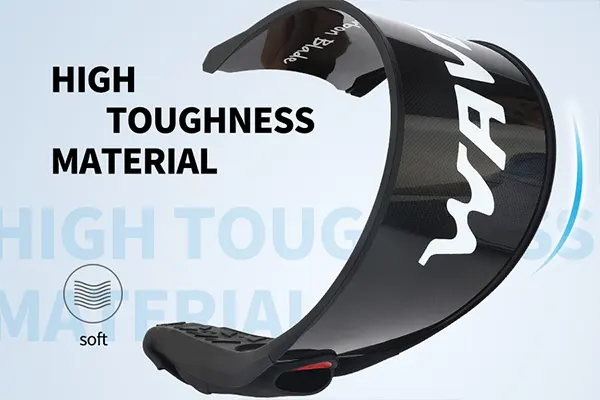
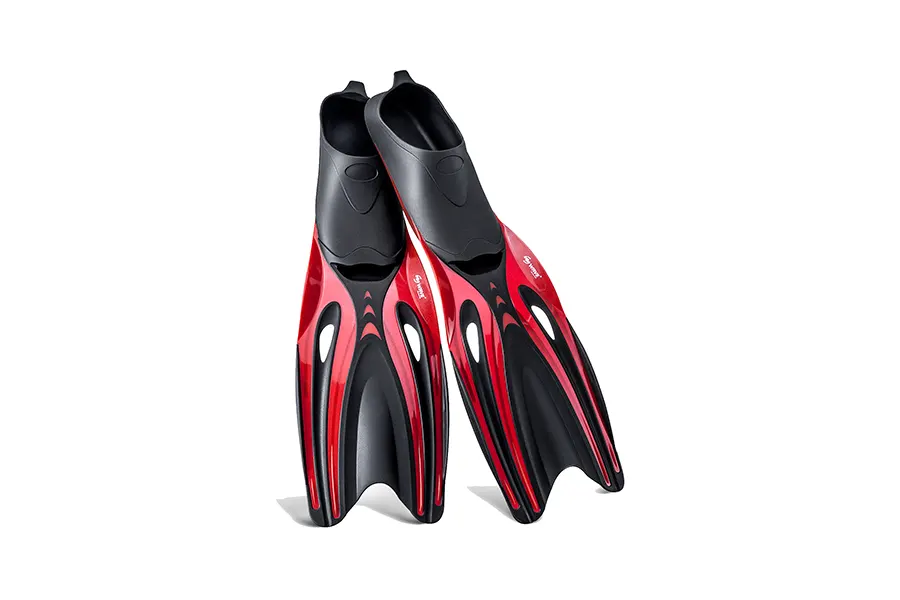
Das Offensichtliche: eine vollwertige Schnorchel- oder Tauchflosse ist 45-60 cm lang und ruiniert einen gepackten Koffer. Kompakte Klingen schneiden in Richtung 30-38 cm, und die besten Reisedesigns gehen noch weiter mit einer Scharnier- oder Flex-Geometrie, die es dem Blatt ermöglicht, sich gegen die Fußtasche zu falten. Bei der Bewertung eines Lieferanten „reisen“ beanspruchen, Fragen Sie nach dem Packmaß, nicht die Produktlänge – eine Flosse, die sich in ihrem eigenen Netzbeutel verstauen lässt 32 × 20 cm beantwortet eine Frage, die ein Gast tatsächlich hat.
Gewicht, und die Grammarithmetik des Gepäcks
Vielflieger zählen Gramm. Ein leichtes Compound-Blatt und eine dünne TPR-Tasche können ein Paar fast halb so schwer machen wie eine Vollflosse aus Silikon und Gummi. Das ist bei der Entscheidung im Geschenkeladen wichtig – „Wird das mein Freigepäck ruinieren??“ ist ein echter Einwand, und die Verpackung, auf der das Paargewicht angegeben ist, steht im Regal.
Nicht sinkende Konstruktion
Eines der am wenigsten beschafften Features in dieser Kategorie: schwimmende Blätter, die schwimmen. An einem Strand, Eine Flosse, die in einer Brandung versinkt, ist eine Flosse, die verschwindet. Nicht sinkende Verbindungen und eine Lufteinschluss-Blattgeometrie halten die Ausrüstung an der Oberfläche und am Schnorchler, und es ist ein Diskussionsthema am Rande des Regals, das in der Einheitsökonomie nichts kostet, wenn die Verbindung bereits die Arbeit erledigt.
Entwässerung und Sand
Reiseflossen leben in den schlimmsten Umgebungen, denen Wassersportausrüstung ausgesetzt ist: Streugut, Sonne, Salz, und niemandes Süßwasserspülung. Die Kanal- und Wirbeldrainagegeometrie in der Klinge und der Fußtasche spült Sand weg, anstatt ihn festzuhalten, Dies schützt sowohl die Passform als auch die Biegelebensdauer der Mischung. Es ist der Unterschied zwischen einer Flosse, die sich am dritten Tag wie neu anfühlt, und einer, die schleift.
| Spez | Kompakte Reiseflosse | Vollständige Freizeitflosse | Käuferscheck |
|---|---|---|---|
| Klingenlänge | ~30-38 cm, Faltmöglichkeiten | 45-60 cm | Fragen Sie nach den Packmaßen |
| Gewicht pro Paar | Leichtes Verbundziel | Vollständige Silikon-/TPR-Konstruktion | Wiegen Sie die Probe; Drucken Sie es auf die Verpackung |
| Auftrieb | Konstruktionsstandard ohne Waschbecken | Variiert je nach Verbindung | Testen Sie ein Probenpaar im Süßwasser |
| Größenbestimmung | Komprimierte Kurve, verstellbar oder S/M/L | Vollständiger Lauf in diskreter Größe | Ordnen Sie die Kurve der Kundenfrequenz Ihres Geschäfts zu, nicht der Katalog |
| Typischer Kanal | Resort-Shops, Kreuzfahrteinzelhandel, Souvenirs | Taucheinzelhandel, Sportartikel | Bewerten Sie die Impulsstufe, bevor Sie das Modell auswählen |
Kompakt bedeutet nicht, dass der Antrieb billig ist – aber es bedeutet, dass es andere Käufer gibt
Eine kurze Klinge bewegt weniger Wasser; das ist Physik, kein Mangel. Aus kommerzieller Sicht kommt es darauf an, dass der Käufer die Reiseflosse nicht mit einer Taucherflosse vergleicht. Ein Gast, der an einem Resort-Schalter einkauft, hat die Wahl zwischen diesem und nichts – oder diesem und dem 45-Euro-Paar im Tauchshop an der Promenade, für dessen Besitz man Platz im Kofferraum eines Autos benötigt. Die kompakte Flosse gewinnt diesen Vergleich, da sie im Wasser ausreichend und im Koffer perfekt ist.
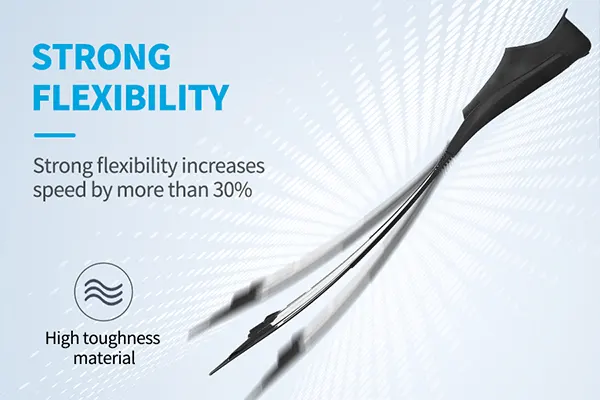
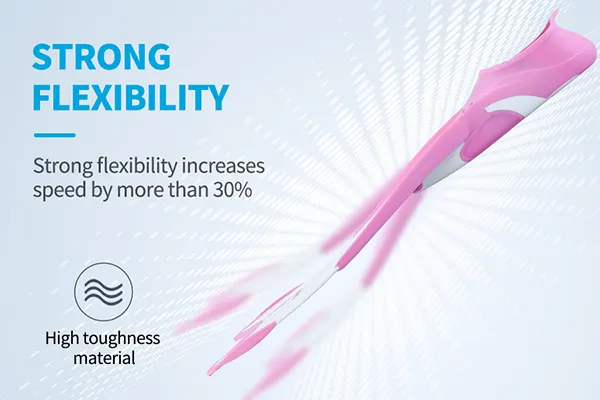
Durch diese Neuausrichtung ändert sich, welche Produktentscheidungen wichtig sind. Das Flexmuster übertrifft den Klingenbereich: Eine geschmeidige Verbindung, die sich mit einer kurzen Klinge leicht bewegen lässt, fühlt sich für einen Urlaubsschnorchler genau richtig an, während die steif, Eine mächtige Klinge, die bei einem Bootstauchgang gedeiht, bekämpft sie einfach. Die Flexibilität, die Sie bei einer Performance-Linie auf die Probe stellen würden, ist der Kernkomfort einer Reiselinie – und genau das zeigt eine Biege- und Scharnierprüfung an einem physischen Muster. Wenn Sie sich noch nicht entschieden haben, wo Ihr Sortiment zwischen Kompakt- und Vollklingen liegt, unsere Aufschlüsselung von Schnorchelflossentypen – kurzes Blatt, Teilt, Ausbildung, und mehr kartiert das gesamte Feld, bevor Sie Regalfläche festlegen.
Die Resort-Einzelhandelsmathematik: Impulspreis, Komprimierte Größenkurve, Tote Jahreszeit
Reiseflossen werden als Souvenirs gekauft und als Ausrüstung gemietet, und beide Jobs erfordern eine strenge kommerzielle Struktur der Bestellung.
Durch Impulspreise wird die Kostenobergrenze nach hinten verschoben
Ein Artikel aus dem Geschenkeladen ab einem bestimmten Preis ist nicht mehr spontan. Arbeiten Sie in die andere Richtung: Nehmen Sie Ihren Verkaufspreis, Teilen Sie den Resort-Margin-Stack und die Fracht auf, und der Rest ist Ihr Gesamtkostenziel – das fast immer auf TPR oder einer Mischverbindungskonstruktion statt auf Premium-Silikon beruht. Das ist ein vernünftiger Handel, wenn die Spezifikation ehrlich ist: Dieselben zusammengesetzten Entscheidungen werden in unserem Kanal für Kanal behandelt Materialführer für Schnorchelflossen.
Die Größenkurve ist eine Bestandsentscheidung
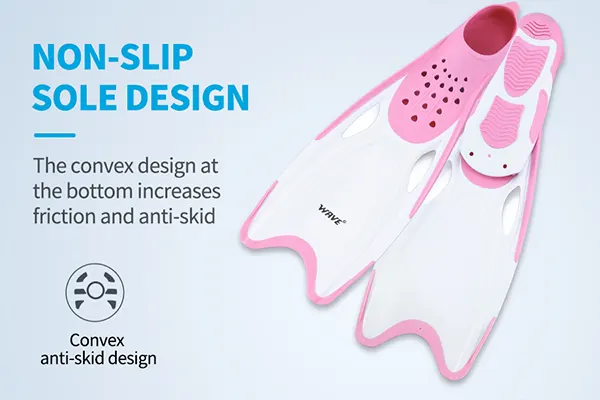
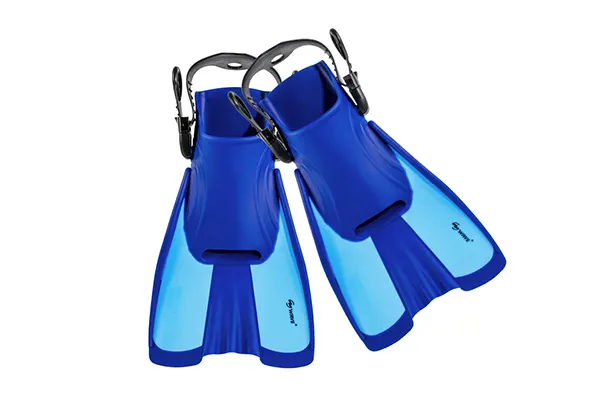
Ein Geschäft, das Flossen über eine sechswöchige Saison hinweg verkauft, kann nicht fünf Erwachsenengrößen pro Farbkombination rechtfertigen. Für genau dieses Problem gibt es Konstruktionen mit verstellbaren Riemen oder mit schmalem Bereich – eine SKU, die die meisten Erwachsenenfüße absorbiert, eine Kinder-SKU oben. Die Anpassungskosten dieser Komprimierung sind real, aber überschaubar, wenn Sie auf der Verpackung einen Zentimeterbereich angeben, Denn der Gast, der weiß, dass die Flosse passt, ist der Gast, der sie kauft. Die Mechanismen, nach denen die Reisegröße funktioniert, werden in unserem Artikel behandelt Größentabelle für Schnorchelflossen.
Die Saison endet unabhängig davon, ob Sie verkauft haben oder nicht
Der Resort-Einzelhandel besteht aus Wetter- und Flugplänen mit einer Kasse. Bestellen Sie Ihren ersten Tropfen konservativ, um dem Kundenaufkommen entgegenzuwirken, Dann nutzen Sie die wahre Superkraft der Kategorie – saisonale Aufladungen aus dem Lagerprogramm einer Fabrik, innerhalb weniger Tage versandt, zum gleichen Preis wie Ihre Eröffnungsbestellung. Ein Lieferant, der innerhalb Ihrer Saison nicht nachfüllen kann, verkauft Ihnen ein Glücksspiel, kein Programm; Unser Großhandels-Playbook auf Mindestbestellmenge, Containerbeladung, und Preisstufen geht die Zahlen.
Die Verpackung ist der Verkäufer
Auf einem Resort-Regal, Die Box übernimmt den Verkauf: Die Flosse ist normalerweise innen versiegelt, und der Gast entscheidet innerhalb von vier Sekunden aus dem Kunstwerk. Drei Elemente verdienen ihre Druckkosten. Eine Angabe zum Packmaß beantwortet die Frage nach dem Koffer. Eine Nutzungsszene – Familie, Riff, klares Wasser – antwortet die „Werden wir das tatsächlich nutzen?“ Frage. Und ein einfacher Spec-Streifen (Gewicht, Float-Verhalten, Größenbereich) kommt der Gegenfrage zuvor, die einen Verkauf kostet. Netz-Reisetaschen, in denen der Gast sehen kann, wie gut das Handgepäck passt, übertreffen geschlossene Boxen, in denen der Zielkäufer leichtes Gepäck mitnimmt; Blisterkarten gewinnen, wenn die gleiche Flosse im praktischen Set neben Maske und Schnorchel hängt. Vergewissern Sie sich, dass sich das Verpackungsformat Ihres Würfels pro Palette ändert, bevor Sie das Kunstwerk verschließen – die Verkaufseinrichtungen an der Rückwand eines Resorts enthalten überraschend viel Lagerbestand, oder peinlich wenig.
Auftragsstruktur während einer Reisesaison
Käufer, die diese Kategorie wie eine Tauchshop-Linie behandeln, verpassen den Kalender. Ein funktionierender Rhythmus sieht so aus: Spezifikation und Probe in der Nebensaison, mit einem vollständigen Testprotokoll für physische Proben – Float, biegen, Riemenzug, Packmaß. Geben Sie den Eröffnungsauftrag früh genug auf, damit Produktion und Fracht vor Ihrer ersten Spitzenwoche landen können. Verfolgen Sie wöchentlich den Durchverkauf, nicht monatlich. Geben Sie die Aufstockungsbestellung ab, solange noch Saison zum Verkaufen übrig ist – die Wiederauffüllung aus Lagerprogrammen erfolgt innerhalb weniger Tage, aber nur, wenn die Entscheidung getroffen wird, bevor die Nachfrage nachlässt. Was sich bis Saisonende nicht verkauft, ist eine Abschlagsentscheidung, keine Speicherentscheidung; Der Gast im nächsten Jahr möchte nicht die Farbgebung vom letzten Jahr, und die Lagerkosten für sperrige, im Einzelhandel verpackte Flossen sind stillschweigend eine Strafe.
Wenn die gleiche Fabrik beides unterstützt – das Eröffnen von Bestellungen für individuelle Farbkombinationen und das Auffüllen von Lagerbeständen während der Saison –, vereinfacht sich das gesamte Programm. Das ist der operative Fall für die Beschaffung der Reiselinie von einem Vollsortimentshersteller und nicht von einem Handelskatalog; Die versandfertiges Lagerprogramm existiert genau für diesen Moment in der Zwischensaison.
Häufig gestellte Fragen
Funktionieren Reise-Schnorchelflossen tatsächlich?, oder sind sie ein Souvenir?
Beide, je nach Aufbau. Eine gut gefertigte, kompakte Flosse mit einem geschmeidigen kurzen Blatt ist wirklich effektiv beim Oberflächenschnorcheln – der Disziplin, die die meisten Resortgäste tatsächlich ausüben. Was eine Reiseflosse nicht kann, ist der Tauchantrieb oder die Strömungsbekämpfung, weil die Klingenfläche physikalisch kleiner ist. Der Merchandising-Fehler besteht darin, es entgegen der Stellenbeschreibung eines Tauchflossen zu verkaufen, was Enttäuschung hervorruft; Verkaufe es für den Urlaubsschnorchel und es funktioniert.
Welche Größen sollte ein Resort-Shop für Reiseflossen bestellen??
Komprimiert, mit Absicht. In den meisten Resort-Programmen gibt es eine anpassbare oder breit gefächerte SKU für Erwachsene sowie eine SKU für Kinder pro Farbvariante, manchmal eine mittlere S/M/L-Aufteilung für Standorte mit höherem Verkehrsaufkommen. Komplette Läufe in diskreter Größe gehören in den Taucheinzelhandel, kein Impulseinzelhandel – jede zusätzliche Größe vervielfacht das Risiko, dass ein Artikel mit einem sechswöchigen Verkaufsfenster ausverkauft ist. Drucken Sie den unterstützten Fußlängenbereich in Zentimetern auf die Verpackung, damit der Gast ohne Monteur selbst auswählen kann.
Was an einer preisgünstigen Reiseflosse zunächst scheitert?
Riemen und Klingenwurzeln. Dünne elastische Bänder zersetzen sich unter UV-Strahlung und reißen am Befestigungspunkt ein; Steife, preisgünstige Verbindungen reißen nach einer Saison mit Sonne und Sand an der Stelle, an der die Klinge auf die Tasche trifft. Beide Fehler können vor dem Festschreiben getestet werden: eine Bandzugprüfung, eine wiederholte Biegeprüfung an der Blattwurzel, und prüfen Sie, ob die Verbindung für die UV-Belastung geeignet ist. Im Käufer-Feedback zu dieser Kategorie, Riemenversagen ist die Beschwerde, die zuerst und am häufigsten auftritt.
Kann ich die Reiseflossen in der Zwischensaison auffüllen??
Ja, wenn Sie von einer Fabrik beziehen, die über Lagerprogramme verfügt und nicht nur auf Bestellung produziert. Vorrätige Flossen in Standardfarben können innerhalb weniger Tage nach der Bestellung versandt werden, Das ist es, was einen konservativen Eröffnungskauf sicher macht – das Risiko verschiebt sich „Habe ich richtig geraten?“ Zu „Habe ich die Aufladung vor Saisonende getätigt?“ Stimmen Sie den Nachschubbedingungen zu, einschließlich der Frage, ob Nachbestellungen den Preis der Eröffnungsbestellung enthalten, vor Ihrem ersten Container, Nicht, wenn Sie im Juli von einem Resortmanager verfolgt werden.