Ogni fornitore di maschere subacquee rivendica la qualità. La differenza tra le affermazioni emerge solo quando un acquirente può nominare i test, le soglie, e le pratiche burocratiche, perché è questo che cambia “buona qualità” da aggettivo da brochure a clausola esecutiva d'ordine d'acquisto. Per i responsabili del controllo qualità che controllano i fornitori prima di un ordine di massa, e per i proprietari di marchi i cui termini di garanzia dipendono da ciò che cattura la fabbrica, il programma di test è il prodotto reale.
Questa guida illustra gli standard di test di qualità della maschera subacquea che contano nel programma di un acquirente: resistenza antiappannamento, sigillare e tirare la forza, impatto delle lenti e comportamento alla frattura – e come convertirli in accordi di ispezione in entrata a cui può essere tenuta una fabbrica cinese.
Takeaway chiave
- Un programma di controllo qualità della maschera difendibile esegue test in quattro punti: materiale in entrata, assemblaggio in corso d'opera, prestazioni dell'unità finita, e campionamento prima della spedizione, non solo alla fine.
- Le dichiarazioni antiappannamento necessitano di un test di durata con un metodo e un numero di passaggi definiti; “rivestimento antiappannamento” senza una resistenza misurata è una responsabilità di garanzia che indossa un distintivo distintivo.
- L'integrità della tenuta è verificabile in due minuti su una linea di produzione: il mantenimento della pressione negativa e i controlli delle perdite della linea di galleggiamento rilevano la modalità di guasto che genera la maggior parte dei ritorni.
- Il test delle lenti è il momento in cui gli standard di terze parti svolgono il lavoro pesante: i modelli di frattura del vetro temperato e i livelli di impatto sono in linea con EN 166 e protocolli della famiglia ANSI Z87.1 a cui si fa riferimento nella conformità all'esportazione.
- Il risultato finale da richiedere con ogni spedizione è il rapporto FAI/OQC legato al campione d'oro: dimensioni del primo articolo più dati di test in uscita, per iscritto, lotto per lotto.
Dove vengono effettivamente effettuati i test in una fabbrica di maschere?
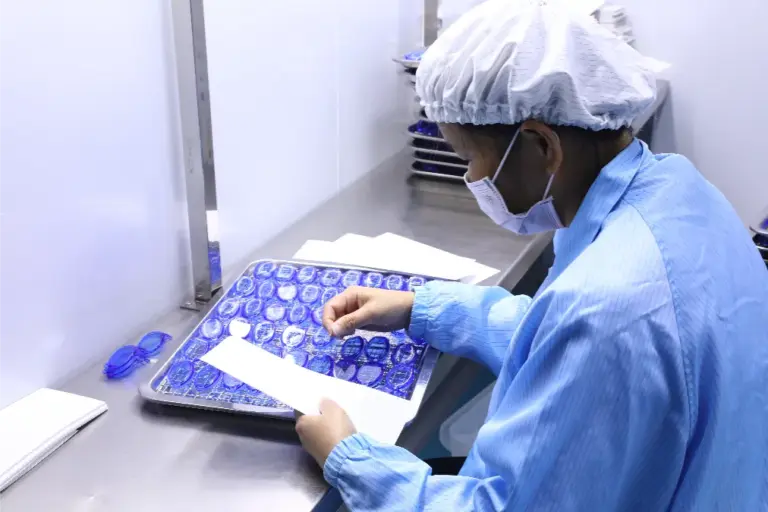
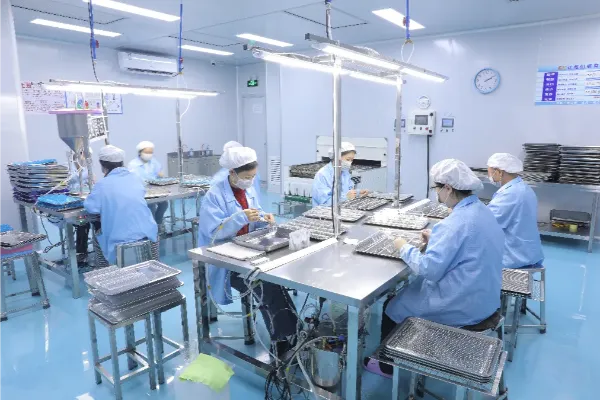
Una fabbrica che adotta un vero sistema di qualità non inizia l'ispezione quando i cartoni sono impilati. Il processo eseguito da Vanguard, e il modello da ricercare in qualsiasi audit dei fornitori, si muove attraverso cinque fasi delimitate: ispezione delle materie prime sul composto e sul vetro in entrata, stampaggio di precisione con parametri controllati, assemblaggio standardizzato, test di laboratorio sulle prestazioni delle unità finite, e imballi con controlli logistici in uscita.
Ogni cancello esiste per intercettare una specifica famiglia di guasti prima che si moltiplichi. Il composto fuori specifica alla ricezione diventa un guasto alla tenuta nel prossimo trimestre. Una deriva dei parametri di stampaggio diventa una linea di legame che si separa nel cloro. Individuare i problemi nelle fasi delle materie prime e del processo è il motivo per cui un ISO 9001:2015-il tasso di risoluzione dei difetti del fornitore certificato è strutturalmente inferiore rispetto a quello di un fornitore non certificato che addebita lo stesso prezzo unitario: il certificato è prova della disciplina del processo, non un distintivo di marketing.
Come dovrebbero essere testate e specificate le prestazioni antiappannamento?
L'appannamento è il reclamo che più probabilmente definisce l'opinione di un cliente sulla tua maschera, e quello più difficile da vedere al momento dell'ispezione: una lente può sembrare perfetta e guastarsi in acqua umida. Questo è esattamente il motivo per cui rientra in un protocollo di laboratorio piuttosto che in un controllo visivo.
Una specifica praticabile dell'ordine di acquisto definisce tre cose: il metodo di prova, l'esposizione, e la soglia di superamento. In pratica ciò significa una camera a umidità controllata o a vapore acqueo caldo, un'osservazione temporizzata dell'area schiarita rispetto a quella appannata su un campione condizionato, e una durata minima dichiarata di visione chiara, ricavata dal campione d'oro approvato dall'acquirente. I trattamenti antiappannamento sono disponibili in due classi di durabilità: rivestimenti superficiali che si consumano con la manipolazione e la pulizia, e approcci modellati o trattati nel materiale che durano molto più a lungo e la distinzione cambia ciò che puoi promettere sulla confezione. Il meccanismo, i dati sulla durabilità, e i compromessi rivolti all'acquirente sono spiegati nel nostro spiegazione della tecnologia antiappannamento e il rivestito rispetto a stampato a confronto.
Due domande di audit separano i programmi seri dal teatro: se la fabbrica mantiene il test in camera di vapore nel programma della linea finita anziché solo al momento dell'approvazione del campione, e se il numero di resistenza antiappannamento del campione è scritto nell'accordo AQL come criterio di accettazione a livello di lotto.

Quali test rilevano le fughe di notizie che determinano i rendimenti?
Il guasto della tenuta ha due cause distinte, e un programma di linea necessita di un test per ciascuno.
Guarnizione gonna-faccia. Il test a livello della maschera è un mantenimento della pressione negativa: la maschera assemblata viene sigillata contro un blocco o un dispositivo di prova, viene disegnato un piccolo vuoto, e viene misurato il tempo di permanenza in pressione. Le unità che scaricano il differenziale in pochi secondi perderanno su una faccia in pochi minuti. Questo è abbastanza veloce da poter essere eseguito come controllo in linea sugli intervalli di campionamento e abbastanza rigoroso da rifiutare interi lotti quando la geometria del legame o del mantello si sposta.
Legame tra gonna e lente. Questo è il punto di guasto meccanico delle maschere tradizionali, e quello in cui il metodo di costruzione decide il tasso di difetti. Un test di trazione su unità campionate misura la forza con cui il silicone lascia andare la lente. Sugli assemblaggi incollati il numero si degrada con il calore e l'età anche quando passa fresco; nella costruzione co-iniettata l'interfaccia è costituita da un materiale polimerizzato anziché da una pellicola adesiva, ecco perché l'argomento dei legami appartiene alla conversazione sui materiali - vedi il guida ai materiali per maschere subacquee per come funziona il processo, e il pagina sulla tecnologia della co-iniezione per l’implementazione di Vanguard.

I gruppi fibbia e cinturino meritano lo stesso trattamento in miniatura: gli ancoraggi della cinghia e i perni della fibbia sono sottoposti a test di trazione a un carico definito perché la loro modalità di guasto - uno scatto su un allungamento - è un killer di revisione a cinque stelle e una conversazione di responsabilità se è coinvolta la maschera di un bambino.
Quali standard regolano l'impatto e la frattura della lente?
Il test delle lenti è il momento in cui un programma di maschere prende in prestito la credibilità degli standard pubblicati anziché inventarne di propri. Protocolli di protezione degli occhi nella EN 166 famiglia (europeo) e ANSI Z87.1 (Stati Uniti) definire le energie di impatto, Metodi di caduta e proiettile, e il comportamento alla frattura previsto per il materiale ottico temperato: granulazione smussata anziché schegge taglienti. Una maschera subacquea venduta in questi mercati dovrebbe essere testata e documentata rispetto allo standard corrispondente, e il percorso di certificazione differisce in base al mercato in modi che modificano direttamente l'elenco dei test: i requisiti mercato per mercato, compreso il test di tolleranza alla CO₂ che si applica ai progetti a faccia chiusa, sono dettagliate nel nostro guida alla conformità all'esportazione delle maschere subacquee.
Per un acquirente, la versione pratica di questo è semplice: chiedere alla fabbrica a quale standard si riferisce il test di ciascuna lente, richiedere il rapporto con il lotto, e rendere la corrispondenza tra rapporto e specifica parte dell'ispezione in entrata. Un'affermazione sul vetro temperato senza alcuna relazione sull'impatto alle spalle è un argomento sui prezzi, non è una funzionalità verificata.
Quali test di invecchiamento prevedono i guasti sul campo reale?
I test al banco di cui sopra proteggono la spedizione che lascia la fabbrica. Ciò che manca alla maggior parte dei programmi di ispezione è la spedizione che fallisce nell’ottavo mese, poiché i difetti delle mascherine dipendono per lo più dal tempo, guidato dai raggi UV, Calore, e chimica piuttosto che un singolo evento di impatto. Un acquirente lungimirante aggiunge quindi una clausola di invecchiamento all'accordo campione d'oro: un'esposizione UV definita o un ciclo di conservazione a caldo, una cifra di ore di immersione nel cloro per la gonna, e un nuovo test della tenuta della tenuta e della forza di trazione del legame dopo il condizionamento anziché prima.
È qui che le due filosofie costruttive si separano in modo misurabile. Un legame incollato tra gonna e lente in genere passa fresco e va alla deriva dopo il ciclo del cloro; un'interfaccia co-iniettata mantiene il suo valore di attrazione perché il legame è il materiale stesso. Inserire il numero di post-invecchiamento, e non quello prodotto, nei criteri di accettazione è l'unica clausola con il massimo effetto che un proprietario di un marchio può aggiungere a un ordine di acquisto., e si converte “durevole” da un aggettivo cartellino a una specifica rifiutabile dalla spedizione. Allinea anche la conversazione sulla garanzia: quando i dati sui resi arrivano dalla vendita al dettaglio, puoi mostrare se il lotto soddisfa le specifiche di invecchiamento oppure la fabbrica deve spiegare il motivo per cui non lo ha fatto.
Come dovrebbe un acquirente verificare il programma di test del fornitore?
Il laboratorio interno del fornitore è necessario ma non sufficiente. Il programma lato acquirente che rende tutto questo applicabile è composto da quattro parti mobili:
- Un campione d'oro con i numeri. Il campione fisico approvato rappresenta solo metà dell’accordo; il foglio dimensionale e i risultati dei test registrati su di esso — durata antiappannamento, estrarre valori, tempo di tenuta del sigillo: sono i valori di riferimento per l'accettazione in base ai quali ogni lotto viene giudicato.
- Un accordo AQL. Livelli di campionamento e classificazioni dei difetti (critico, maggiore, minore) scritto prima della produzione, con i test prestazionali sopra indicati come criteri a livello di lotto, non reclami a posteriori.
- Documentazione FAI/OQC con ogni spedizione. Ispezione del primo articolo più dati di controllo qualità in uscita, riferimento al lotto. La fornitura standard di Vanguard include esattamente questo set di prestazioni: resistenza antiappannamento, tenuta all'aria, e dati di pull-test, perché i documenti che arrivano con il contenitore sono gli unici che risolvono le controversie.
- Un audit che chiede di vedere il programma. Non solo l'attrezzatura: se i test di laboratorio vengono eseguiti su un calendario di produzione con record, o solo quando un cliente visita.
Qui la conformità sociale si affianca alla conformità del prodotto: una struttura certificata BSCI con ISO 9001:2015 il controllo del processo è una classe di rischio diversa rispetto a ciascun certificato preso singolarmente, e il quadro delle qualifiche per attraversarlo è il Lista di controllo del produttore in sette punti.
Domande frequenti
Quali documenti di qualità dovrebbero arrivare con ogni spedizione di maschere?
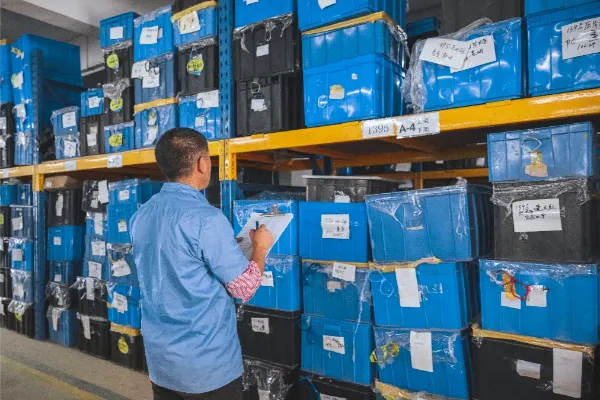
Tre set, riferimento al lotto: il rapporto FAI/OQC con i dati del test delle prestazioni (resistenza antiappannamento, tenuta della tenuta, prove di tiro), la documentazione di conformità per il mercato di riferimento (Rapporti sul percorso CE o FDA, Certificati ISO e BSCI per la struttura), e i registri di imballaggio che collegano i numeri di lotto ai cartoni. Se un fornitore non può produrli tutti e tre su richiesta, il programma di test esiste solo quando qualcuno guarda.
È possibile controllare le prestazioni antiappannamento senza un laboratorio?
Non credibile. Un test dell'alito o una tazza calda durante una fiera ti dice che il campione funziona oggi; non dice nulla sulla resistenza dopo l'esaurimento del rivestimento, magazzinaggio, o la prima esposizione al cloro. L'approccio praticabile dell'acquirente è quello di richiedere un test in camera temporizzato con un minimo dichiarato sul campione d'oro, quindi verificare rispetto a quel numero attraverso controlli AQL a livello di lotto piuttosto che lenti a occhio.
Le maschere da snorkeling integrali necessitano di test diversi rispetto alle maschere da immersione?
SÌ, materialmente. Il volume d'aria racchiuso aggiunge resistenza alla respirazione e verifica della ricostruzione della CO₂ di cui una maschera tradizionale non ha mai bisogno, il canale d'aria integrato è dotato di propri punti di test dry-top e di drenaggio, e l'area dell'obiettivo è più grande, che aumenta i requisiti di impatto e frattura. Se gestisci entrambe le famiglie, il contratto di ispezione dovrebbe contenere due allegati di prova, non uno.
Quali livelli AQL sono realistici per un programma di maschere?
La pratica standard per questa categoria è l'ispezione generale di livello II con tenuta determinata dalla classe del difetto: difetti critici (frattura del cristallino, guasto dell'ancoraggio della cinghia sul prodotto per bambini) ad accettazione zero, difetti maggiori (perdita di tenuta, distorsione ottica visibile) tipicamente a 1.5, e minori cosmetici a 2,5–4,0. Negoziarli prima del primo ciclo di produzione, perché riscrivere i criteri di accettazione a metà stagione è il modo in cui i lotti scadenti vengono spediti silenziosamente.