Um clube de natação não encomenda óculos de proteção da mesma forma que uma loja de praia encomenda conjuntos de snorkel. Os pedidos das equipes chegam em ondas antes da temporada competitiva, cada faixa etária precisa de um ajuste diferente, e uma única reclamação de nebulização circula por cinquenta pais antes mesmo de sua janela de reabastecimento abrir. Para atacadistas que fornecem clubes, equipes, e organizadores de competições, o risco comercial reside menos no produto em si do que na forma como o pedido é estruturado: quantidades mínimas, corridas de cores, níveis de tamanho, e termos de reposição.
Este guia aborda a mecânica de atacado de óculos de natação de competição especificamente. O que separa um óculos de corrida de um óculos de admissão geral em um pedido de compra, como os MOQs realmente funcionam quando você os compra às centenas, como montar um programa de time de clube sem acumular estoque morto, e como verificar um parceiro de fabricação antes de comprometer o orçamento de uma temporada.
Principais conclusões
- Os óculos de competição são definidos por uma vedação de baixo perfil, uma lente estreita, e um tratamento antiembaçante durável; esses três atributos impulsionam a maior parte da diferença de custo em relação aos modelos recreativos.
- Um MOQ típico de fábrica para óculos é 300 peças por cor em ferramentas de estoque; sair da paleta ou mudar a embalagem é o que empurra um pedido para o território personalizado.
- Os programas de equipe funcionam melhor em três níveis: aprender a nadar, corrida júnior, e corrida sênior, cada um com seu próprio tamanho e faixa de preço.
- Exemplo de retorno de 2 para 7 dias em itens de estoque e 24 para 48 horas de Design para Fabricação (DFM) o feedback sobre conceitos personalizados permite validar um programa muito antes do prazo final da temporada.
- A verificação deve cobrir três camadas: sistema de gestão (ISO 9001:2015, BSCI), conformidade do produto (CE, FDA, Padrão OEKO-TEX 100), e relatórios de teste em nível de lote para duração do antiembaçante, vazamento de vedação, e força de tração da cinta.
O que separa um óculos de competição de um óculos normal em um pedido de compra?
Os compradores de varejo tendem a descrever os óculos de corrida pela aparência. Os compradores de fábrica os descrevem por especificação, porque é aí que os retornos morrem ou se multiplicam.
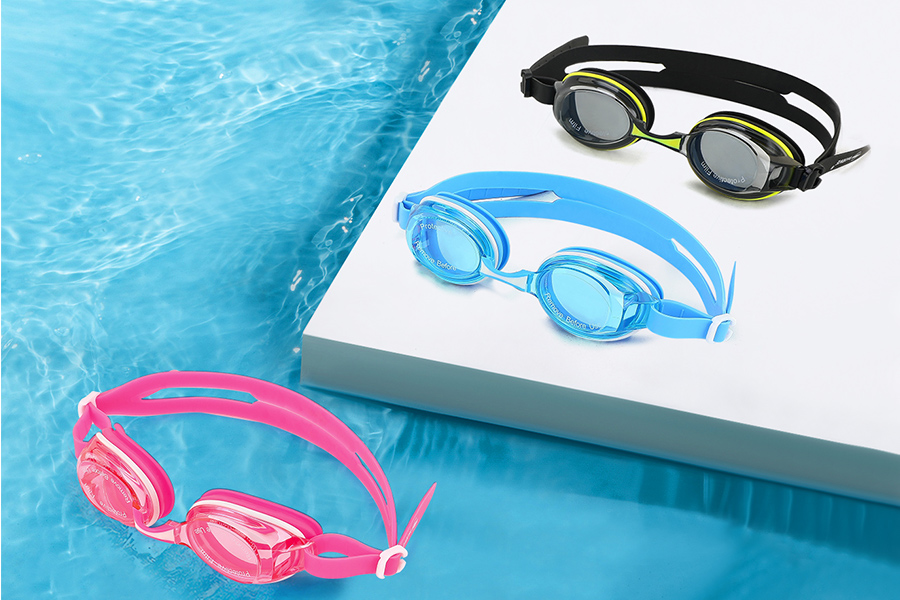
Três atributos definem o nível de competição. Primeiro, o selo: uma saia de silicone discreta que fica dentro da órbita ocular, e não sobre ela, o que reduz o arrasto e mantém a água fora durante partidas e curvas. Segundo, a lente: estreito, disponível em transparente para treinamento interno e espelhado ou colorido para salões de bilhar bem iluminados e reuniões ao ar livre. Terceiro, o tratamento antiembaçante, que em modelos de corrida sérios é um revestimento aplicado durável ou uma solução moldada integrada ao material da lente durante a produção.
O método de construção importa tanto quanto as peças. Juntas de borracha de silicone líquido coladas às lentes de policarbonato por moldagem por co-injeção, em vez de colado depois, dê aos óculos sua vedação à prova d'água e sua resistência ao abuso de cloro de uma temporada de treinamento. Nossa fábrica construiu sua linha de óculos em torno deste processo patenteado de co-injeção de silicone precisamente porque as juntas coladas são onde os óculos de competição baratos falham primeiro.. Se você estiver comparando cotações de fornecedores e uma delas parecer visivelmente mais barata, verifique se a saia está co-injetada ou montada com adesivo antes de comemorar a margem.
Para uma análise mais ampla de como os modelos de corrida se comparam a outras categorias, nosso guia para linha de produtos de óculos de natação quadro de cobertura, lente, e opções de selo em termos de aquisição.
Como funciona o MOQ quando você compra óculos de natação para competição no atacado?
A quantidade mínima do pedido é o primeiro número que todo atacadista verifica, e o primeiro número que a maioria dos fornecedores engana. Veja como funciona na prática em ferramentas de óculos que já existem.
Em modelos padrão, um MOQ típico é 300 peças por cor. Essa estrutura por cor existe porque a moldagem por injeção é executada por lote de cores: a máquina limpa um composto, então muda para o próximo. Dentro de uma cor, geralmente você pode misturar modelos que compartilham componentes, e muitas fábricas dividirão as quantidades em áreas claras, matizado, e variantes de lentes espelhadas da mesma armação. Se um fornecedor fizer uma cotação para você “uma unidade de manutenção de estoque, 3,000 mínimo de peças” para uma simples mudança de cor, isso é um sinal de alerta sobre seu planejamento de produção, não sobre o tamanho do seu pedido.
A segunda camada é de cor personalizada. Corresponder a um código Pantone tira os óculos da paleta de estoque, portanto, espere a mesma quantidade ou um pouco maior por cor e um prazo de entrega mais longo para a preparação do material. O terceiro nível é totalmente personalizado: a geometria do seu quadro, seu design de selo, novas ferramentas. Esse caminho começa com o feedback do DFM, que em uma fábrica competente chega dentro 24 para 48 horas após enviar seu conceito, seguido pela prototipagem que executa 15 para 30 dias incluindo desenvolvimento de molde, então a produção em massa em 30 para 60 dias para um primeiro pedido e aproximadamente 30 dias para pedidos repetidos.
| Programa de pedidos | Compromisso típico | Tempo de espera | Melhor ajuste |
|---|---|---|---|
| Programa de estoque | 300 peças por cor, modelos mistos dentro da cor | 48-expedição por hora em linhas em estoque; amostras em 2 para 7 dias | Reabastecimento de temporada, pedidos de teste |
| Cor personalizada / marca própria em ferramentas de estoque | Execução por cor em sua paleta | Produção em massa 30 para 60 dias; repete por aí 30 dias | Programas de clube de marca |
| OEM completo com novas ferramentas | Projeto de molde mais compromisso de produção | DFM em 24 para 48 h, protótipos 15 para 30 dias, então produção | Linhas de corrida de marca própria |
Um detalhe comercial que vale a pena negociar antecipadamente: pedidos repetidos de modelos padrão de marca própria não devem acarretar taxas de molde novamente. Qualquer ferramental e trabalho de design original permanece protegido por acordos de não divulgação, o que importa quando o colorway do programa da sua equipe é em si um ponto de venda. Se a sua prioridade é velocidade em vez de personalização, o catálogo pronto para envio é construído exatamente para o cenário de primeiro nível acima.
Como deve ser estruturado um programa de equipe de clube?
Um programa de equipe não é um produto; são três, e os atacadistas que tratam isso como tal acabam com prateleiras de espelhos para idosos invendáveis e pais reclamando que nada cabe em uma criança de sete anos.
A estrutura que funciona na maioria dos ambientes de clube é assim:
Camada um: aprender a nadar e treinamento júnior (aproximadamente idades 6 para 12)
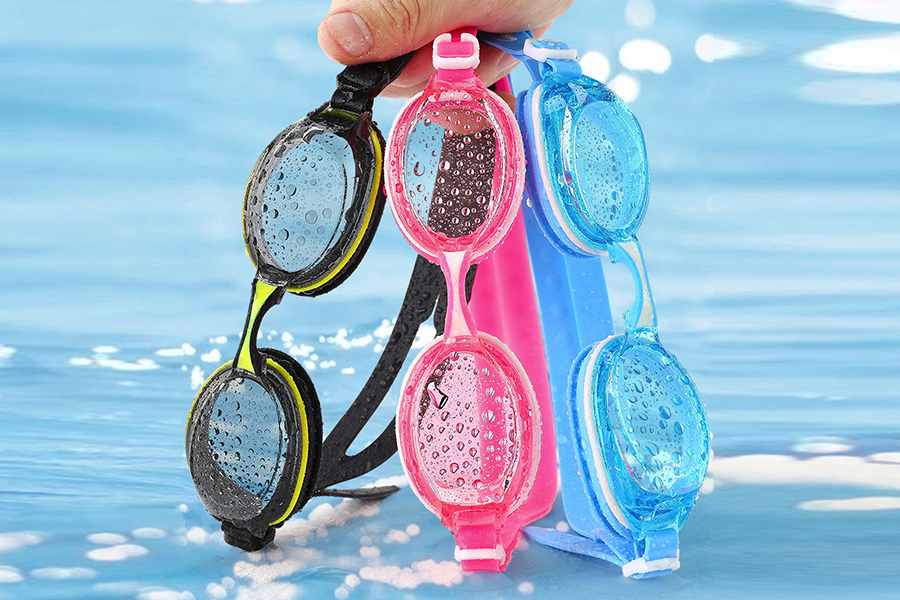
Saias de silicone macio, lentes transparentes ou levemente coloridas, uma alça larga ajustável, e um preço que sobrevive à perda duas vezes por temporada. O ajuste tem prioridade sobre a óptica; um óculos júnior que vaza é removido do deck da piscina em uma semana, não importa quão bom seja o antiembaçante. Estoque de tamanhos de ponte nasal intercambiáveis (pequeno, médio, grande) em um quadro permite atender uma faixa etária inteira com um pedido de compra.
Camada dois: corrida júnior (aproximadamente idades 12 para 16)
O primeiro ajuste realmente discreto. Esses nadadores têm dimensões faciais de adultos, mas orçamentos de juniores, portanto, o antiembaçante durável e uma opção de espelho com preço médio vencem este nível. É aqui que uma corrida de cores mistas compensa: equipes compram identidade, e uma escola se comprometerá com duzentas unidades se a cor combinar com o boné.
Nível três: corridas seniores e masters
Volume baixo, alta especificação. Os nadadores neste nível substituem os óculos de acordo com um cronograma, reclamar com conhecimento de causa sobre neblina, e pagará por uma lente antiembaçante moldada e um acabamento espelhado adequado. Mantenha esta camada superficial em estoque e profunda em especificações.
Uma regra prática de ordenação para uma primeira temporada: compre o nível júnior em corridas em tamanho real, os níveis de corrida em meia profundidade com uma janela de reabastecimento comprometida, e esperar que o ciclo de reabastecimento seja aproximadamente 30 dias para pousar exatamente uma vez no meio da temporada. Para uma visão voltada para o consumidor sobre o que os jovens nadadores competitivos realmente escolhem, o arredondamento de escolhas de óculos competitivos para jovens continua sendo um proxy de lista de compras útil para o que os clientes do seu clube irão pedir.
O que impulsiona a escada de preços em óculos de competição no atacado?
Dois óculos com fotos idênticas podem separar três faixas de preço. As variáveis são consistentes o suficiente para serem modeladas antes de você citar uma equipe.
- Tratamento de lentes. Claro é a base. Tinted adiciona um pequeno passo. Um acabamento espelhado de qualidade ou estilo REVO é o maior salto único no nível de corrida, e também é o acabamento mais sujeito a rejeições cosméticas, o que silenciosamente aumenta seu custo unitário efetivo se o controle de qualidade do fornecedor for fraco.
- Método antiembaçante. Uma lente revestida é mais barata no início e mais cara depois de noventa dias de cloro. O antiembaçante moldado custa mais por unidade e defende sua taxa de retorno. Nossa divisão de como a tecnologia antiembaçante realmente funciona cobre a diferença de durabilidade em termos de teste.
- Construção de vedação. Saias de silicone líquido co-injetadas versus conjuntos colados separam as bandas média e premium.
- Embalagem. Um cartão blister com impressão de varejo é uma conversa sobre economia de unidade diferente dos sacos plásticos a granel com uma caixa de caixa de equipe, e isso muda a história da prateleira na loja do clube.
- Profundidade da documentação. Lotes enviados com relatórios de teste por remessa e números de lote rastreáveis custam margem para produção, e economize margem sempre que uma rede de varejo auditar você.
O que você deve modelar é o custo final por camada vendável, não por unidade. Um pedido de 300 peças de espelhos premium que só passa por nadadores de nível três custa mais por temporada do que 900 unidades juniores mistas que passam pela loja do clube em seis semanas. Óculos de competição, preços no atacado recompensam o planejamento do sortimento mais do que a negociação do preço unitário.
Como você verifica um fornecedor de óculos de competição antes de se comprometer?
A verificação tem três camadas, e a maioria dos compradores só verifica o primeiro.
Camada um: o sistema de gestão
Peça o certificado, não o logotipo. ISO 9001:2015 informa que a fábrica documenta seus próprios processos; A BSCI informa que o lado da conformidade social resiste a uma auditoria, com quais contas da rede se preocuparão antes do seu primeiro aniversário. Uma base de produção com sua própria linha de injeção, com quatro linhas de produção e 65 máquinas de moldagem no local, é estruturalmente diferente de um trader que cita a capacidade de outra pessoa.
Camada dois: conformidade do produto para o seu mercado
Documentação CE para distribuição europeia, Registro FDA para o mercado dos EUA, e padrão OEKO-TEX 100 no silicone que fica contra a órbita ocular de uma criança. Estes são os arquivos de conformidade que um fornecedor real pode enviar como documentos, não descrições. Nosso visão geral de certificação e conformidade lista o que temos e o que enviamos com os pedidos.
Camada três: evidência em nível de lote
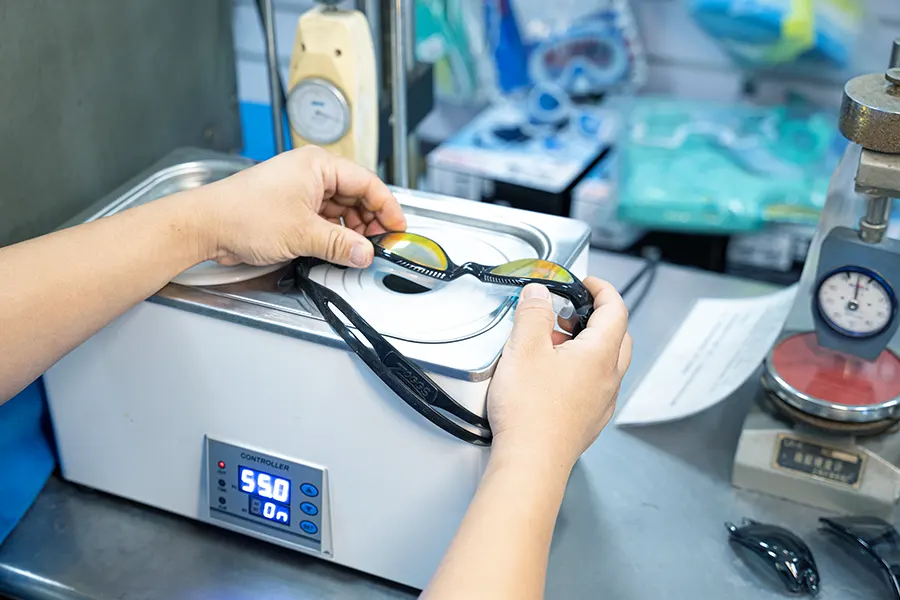
Esta é a camada que prevê sua taxa de retorno. Um relatório de inspeção de qualidade deve conter dados de duração do antiembaçante, resultados de testes de vedação e vazamento, e números de resistência à tração da cinta para o lote real, não é o protótipo do dia do lançamento do modelo. Peça-os no pedido de amostra, antes da compra da temporada, e compará-los entre fornecedores. A fabricação por contrato de longo prazo para marcas como Speedo é tranquilizadora exatamente na medida em que forçou essas disciplinas de relatórios; pergunte a qualquer fornecedor de quais programas eles têm hábitos de documentação.
Para uma visão mais ampla de como é o cenário dos fornecedores, nossa pesquisa sobre os principais fornecedores de óculos de natação explica onde as fábricas, comerciantes, e as marcas realmente diferem nessas três camadas.
Quais são os padrões de falha que matam a margem de uma temporada?
Quatro aparecem repetidamente em autópsias com vendedores de canais de equipe.
Nevoeiro na sexta semana. Quase sempre a compra de uma lente revestida custa para ganhar uma comparação de cotação com uma alternativa moldada. O pai nunca vê a folha de especificações; eles veem a neblina.
Falhas nas correias em corridas juniores. As crianças não ajustam as alças com cuidado. Se a fivela sobrevivesse apenas à inspeção estética, você aprenderá sobre isso nas devoluções com fotos.
Janelas de temporada perdidas. Um período de produção de 45 dias citado em abril não resultará em um programa de feira de clubes em setembro se o ciclo de aprovação de cores levar três semanas de silêncio por e-mail. Confirme quem busca aprovações, e bloqueie datas de aprovação de amostras, como datas de entrega.
Cores mortas. As equipes ordenam a cor do clube, não é a paleta favorita do fornecedor. O MOQ por cor só é perigoso quando você escolhe as cores para si mesmo, em vez de para um programa que já vendeu duzentas cápsulas.
Perguntas frequentes
Posso dividir o MOQ de 300 peças entre modelos e tipos de lentes?
Dentro de uma cor, sim. A maioria das fábricas de óculos de proteção opera a saia e as lentes como componentes separados, portanto, um único lote de cores pode cobrir várias combinações de armações ou lentes que compartilham essas partes. Dividir um pedido em ferramentas totalmente diferentes, ou entre cores, é o que zera a contagem por linha.
Os óculos de competição precisam de certificações diferentes dos óculos normais?
A categoria regulatória é a mesma, mas o conjunto prático de arquivos muda. Lentes espelhadas e tratadas com UV atraem mais pedidos de documentação de compradores europeus, e as alegações antiembaçantes são o primeiro lugar onde um auditor de cadeia procura evidências de teste. A linha de base que enviamos inclui documentação CE e FDA com padrão OEKO-TEX 100 em silicone em contato com a pele.
Qual deve ser a profundidade de uma ordem de primeira equipe de clube?
Dimensione o nível júnior para associação registrada mais um buffer de vinte por cento, mantenha os níveis de corrida rasos, e definir um ponto de verificação de novo pedido no meio da temporada. Com a produção repetida correndo por aí 30 dias e expedição de estoque em 48 horas, um programa pode ser corrigido após um encontro, em vez de após toda a temporada.
Vale a pena uma lente espelhada para pilotos juniores?
Para reuniões ao ar livre e piscinas iluminadas, sim; é também o cosmético mais frequentemente danificado pelo manuseio descuidado, então os juniores em treinamento devem manter um par claro como padrão. Um programa de equipe sensato vende ambos da mesma família de estruturas, o que mantém suas quantidades de cores eficientes.
O que o pedido de amostra deve incluir antes de me comprometer com uma temporada?
Pelo menos uma unidade de cada nível que você planeja vender, o relatório de teste de lote para a remessa de onde essas amostras vêm, e o modelo de embalagem se você estiver executando um programa de marca. Em modelos de estoque, esse pacote chega em menos de uma semana; em conceitos personalizados, espere o loop DFM primeiro e um protótipo em 15 para 30 dias.