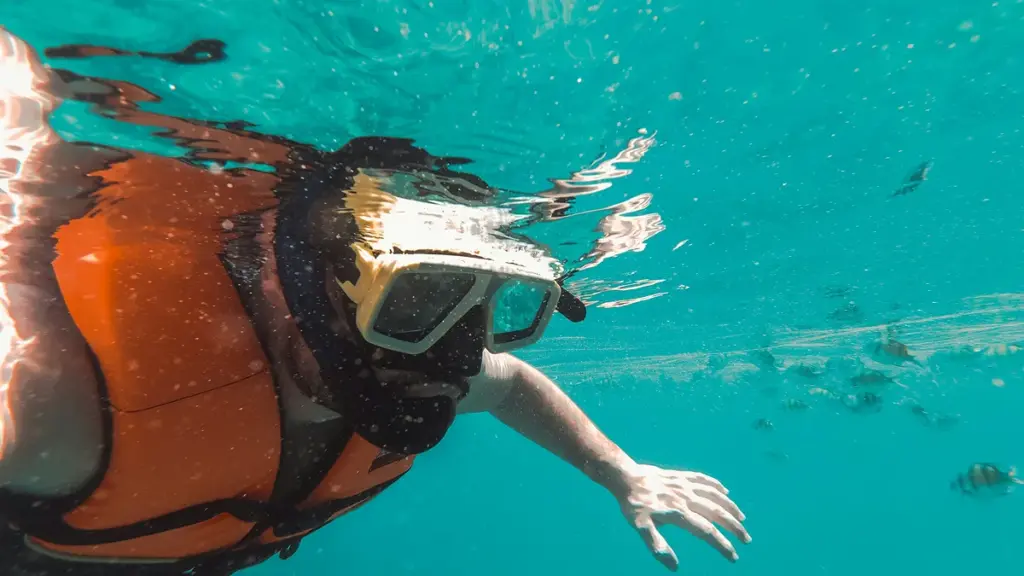
Tauchmasken stehen an einer regulatorischen Kreuzung. Sie sind gleichzeitig: Persönliche Schutzausrüstung (Augenschutz), druckführende Geräte (Der Luftraum vor deinen Augen), und Hautkontaktprodukte (Legen Sie den Silikonrock an Ihr Gesicht). Je nach Markt, Es gelten unterschiedliche regulatorische Rahmenbedingungen – und wenn einer davon falsch ist, kann dies zu Zollkontrollen führen, Marktplatz-Takedowns, oder Produkthaftungsrisiken.
Dieser Leitfaden deckt alle Zertifizierungs- und Testanforderungen für Tauchmasken in den wichtigsten Märkten ab. Wir befassen uns mit den spezifischen Materialkonformitätsproblemen, die Tauchmasken von allgemeiner Schnorchelausrüstung unterscheiden – insbesondere den Sicherheitsstandards für gehärtetes Glas, CO₂-Retentionsprüfung, und Silikon-Biokompatibilität. Unsere Fabrik verfügt über ISO 9001:2015, BSCI, und produziert CE-konforme Produkte mit FDA-konformen Materialien – das ist die Compliance-Grundlage, von der aus wir täglich arbeiten.
Regulatorische Klassifizierung: Wo Tauchmasken passen
| Markt | Regulierungsrahmen | Einstufung | Risikokategorie |
|---|---|---|---|
| europäische Union | PSA-Verordnung (EU) 2016/425 | Persönliche Schutzausrüstung – Augen-/Gesichtsschutz | Kategorie I (minimales Risiko) für die Freizeit; Kategorie II für professionelles/kommerzielles Tauchen |
| Vereinigte Staaten | FDA 21 CFR (Materialien); ANSI Z87.1 (Augenschutz); CPSC (Allgemeine Produktsicherheit) | Kein medizinisches Gerät; unterliegen den Materialsicherheits- und allgemeinen Produktsicherheitsvorschriften | Verbraucherprodukt – allgemeine Sicherheitsverpflichtung |
| Australien | ACCC-Verbraucherschutzhinweis; AS/NZS 1338.1 | Verbraucherprodukt mit Augenschutzstandards | Regulierte Konsumgüter |
| Japan | JIS T 8103 (Industrieller Augenschutz); Gesetz zur Sicherheit von Verbraucherprodukten | Verbraucherprodukt; Industriestandard-Referenz | Regulierte Konsumgüter |
europäische Union: CE-Kennzeichnung gemäß PSA-Verordnung
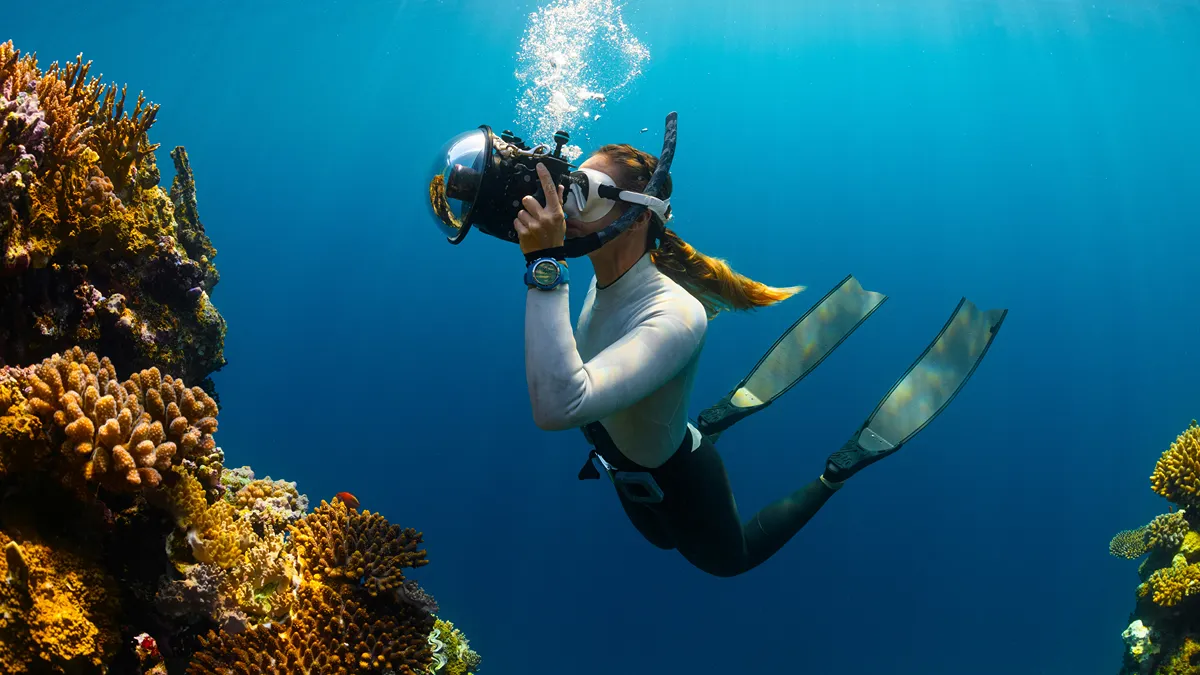
Anwendbare Standards
- IN 168:1995 — Nicht-personenbezogener Augenschutz (optische Anforderungen an Objektive)
- IN 166:2002 — Persönlicher Augenschutz (der primäre Standard für Tauchmasken)
- EU-Verordnung 2016/425 — PSA-Verordnung (der rechtliche Rahmen)
Wichtige Testanforderungen gemäß EN 166
| Prüfen | Was es misst | Bestehenskriterien |
|---|---|---|
| Optische Leistung (Brechung) | Die Linse verzerrt die Sicht nicht | Innerhalb von ±0,06 Dioptrien für die Klasse 1 Linsen |
| Prismatische Kraft | Das Objektiv erzeugt keinen Prismeneffekt | ≤ 0.25 Prismendioptrien |
| Lichtdurchlässigkeit | Es gelangt ausreichend Licht durch die Linse | ≥ 89.3% für klare Gläser (Klasse 1.1) |
| Diffusion | Die Linse streut das Licht nicht übermäßig | Dunst ≤ 2.5% |
| Schlagfestigkeit (Basic) | Die Linse hält Stößen stand, ohne zu brechen | 45 m/s Stahlkugelaufprall – kein Eindringen, keine Fragmentierung |
| Schlagfestigkeit (hoch, wenn behauptet) | Die Linse hält Stößen mit hoher Energie stand | 120 m/s Stahlkugel – gekennzeichnet mit „B“ Bewertung |
| Zündwiderstand | Rahmen und Schürze unterstützen die Verbrennung nicht | Selbstverlöschend im Inneren 5 Sekunden nach dem Entfernen der Flamme |
| Korrosionsbeständigkeit | Metallkomponenten widerstehen Salzwasserkorrosion | 48-Einstündiger Salzsprühtest ohne funktionelle Beeinträchtigung |
CO₂-Retentionstest
Dies ist der Test, der Tauchmasken von Schwimmbrillen unterscheidet. Der eingeschlossene Luftraum in einer Tauchmaske bedeutet, dass sich ausgeatmetes CO₂ ansammeln kann, wenn das Maskendesign keine ausreichende Spülung ermöglicht. Der Test misst die CO₂-Konzentration in der Maske während der simulierten Atmung.
Kriterien bestehen: Die CO₂-Konzentration in der Atemluft darf nicht überschritten werden 2% (nach Volumen) unter bestimmten Atembedingungen. Dies ist eine Funktion des internen Maskenvolumens (toter Raum), Design des Auslassventils (für Vollgesichtsmasken), und Atemfrequenz.
Für B2B-Käufer: Die CO₂-Retention ist in erster Linie eine Designfrage. Masken mit geringerem Innenvolumen sind natürlich leistungsfähiger. Dies ist ein Grund dafür „geringe Lautstärke“ Maskendesigns werden bevorzugt – sie reduzieren tote Lufträume und verbessern die CO₂-Spülung.
Vereinigte Staaten: FDA-Materialkonformität + ANSI-Augenschutz

FDA-Materialkonformität
Tauchmasken sind per se keine medizinischen Geräte oder von der FDA regulierten Produkte. Jedoch, wenn Sie Ihr Produkt mit Angaben zur Materialsicherheit vermarkten („Silikon in Lebensmittelqualität,“ „FDA-konforme Materialien,“ „hypoallergen“), Die Materialien müssen dem entsprechen:
- FDA 21 CFR 177.2600 — Gummiartikel, die für den wiederholten Gebrauch bestimmt sind (Silikonrock, Beißventil)
- FDA 21 CFR 177.1550 — Acryl- und Acrylnitril-Copolymere (Rahmen aus Polycarbonat – wenn Lebensmittelkontakt beansprucht wird)
Praktische Anforderung: Ihr Silikonmateriallieferant muss ein FDA-Konformitätsschreiben oder eine Registrierungsnummer vorlegen. Bewahren Sie dies für Überprüfungen der Marktkonformität auf.
ANSI Z87.1 – Augenschutz
Für Freizeittaucher sind Masken jedoch nicht gesetzlich vorgeschrieben, Die Konformität mit ANSI Z87.1 ist ein starkes Sicherheitssignal. Es deckt ab:
- Schlagfestigkeit (Linse und Rahmen)
- Optische Klarheit
- Berichterstattung (dem Bereich des Augenschutzes)
Produkte, die ANSI Z87.1 erfüllen, können das anzeigen „Z87“ Markierung auf dem Rahmen – ein erkennbares Sicherheitszeichen, das Glaubwürdigkeit verleiht.
CPSC Allgemeine Produktsicherheit
Die Consumer Product Safety Commission ist für die allgemeine Sicherheit von Verbraucherprodukten zuständig. Es gibt zwar keinen spezifischen CPSC-Standard für Tauchmasken, Das Gesetz über die allgemeine Produktsicherheit verlangt, dass Verbraucherprodukte kein unverhältnismäßiges Verletzungsrisiko darstellen. Schlüsselbereiche:
- Das Objektiv darf bei normalem Gebrauch nicht zerbrechen (Gehärtetes Glas erfüllt dies)
- Die Materialien dürfen keine Verätzungen oder allergischen Reaktionen hervorrufen
- Durch Kleinteile darf keine Erstickungsgefahr entstehen (für Produkte, die für Kinder vermarktet werden oder für diese zugänglich sind)
Materialspezifische Compliance: Gehärtetes Glas

Gehärtetes Glas ist das branchenübliche Linsenmaterial für hochwertige Tauchmasken. Sein Compliance-Profil:
| Markt | Standard | Erfordernis |
|---|---|---|
| EU | IN 166 | Schlagfestigkeit (45 m/s mindestens); Fragmentierungstest (Es dürfen keine scharfen Splitter entstehen) |
| UNS | ANSI Z87.1 | Hohe Wirkungsbewertung (120 m/s für „Z87+“ Markierung); grundlegende Wirkung (Drop-Ball-Test) |
| Australien | AS/NZS 1338.1 | Schlagfestigkeit; optische Qualität |
Kritischer Hinweis: Polycarbonat-Gläser sind leichter und schlagfester als Hartglas, aber sie kratzen leichter. Für den EU-Markt, Polycarbonat-Gläser müssen außerdem EN erfüllen 166 optische Anforderungen – was erreichbar ist, aber eine Hartbeschichtung erfordert. Gehärtetes Glas entspricht EN 166 optische Anforderungen selbstverständlich.
Materialspezifische Compliance: Silikon
| Prüfen | Standard | Was es abdeckt | Bei Bedarf |
|---|---|---|---|
| FDA-Konformität | 21 CFR 177.2600 | Gummiartikel für den wiederholten Gebrauch bei Hautkontakt | US-Markt; Angaben zur Materialsicherheit |
| Biokompatibilität – Zytotoxizität | ISO 10993-5 | Das Material tötet Zellen in Kultur nicht ab | Amazonas, große Einzelhändler |
| Biokompatibilität – Sensibilisierung | ISO 10993-10 | Das Material verursacht keine allergische Sensibilisierung | Amazonas, große Einzelhändler |
| Biokompatibilität – Reizung | ISO 10993-23 | Das Material verursacht keine Hautreizungen | Amazonas, große Einzelhändler |
| REACH-Konformität | EC 1907/2006 | Keine SVHCs (Besonders besorgniserregende Stoffe) über 0.1% | EU-Markt |
| Stütze 65 Einhaltung | Kalifornische Gesundheit & Sicherheitscode 25249 | Keine gelisteten Chemikalien oberhalb der Safe-Harbor-Grenze | Kalifornischer Markt |
Qualitätskontrolltests für den Export
Über behördliche Zertifizierungen hinaus, Diese QC-Tests sind Standard für Tauchmasken in Exportqualität:
| Prüfen | Verfahren | Frequenz | Bestehenskriterien |
|---|---|---|---|
| Luftdichtheit | Die Maske ist gegen die Gesichtsform abgedichtet; Vakuum angelegt | 100% (jede Einheit) | Kein Druckabfall 10 Sekunden |
| Antibeschlagdauer | Die Linse wird feuchter Luft bei 40 °C ausgesetzt | AQL-Probenahme | ≥ 30 Minuten vor dem Beschlagen (beschichtete Linsen) |
| Bindungsstärke des Rocks | Schältest an der Rahmen-Sockel-Verbindung | Pro Charge | ≥ 8 N/mm (co-injiziert); ≥ 2 N/mm (geklebt) |
| Auswirkungen auf die Linse | Stahlkugel fällt aus der angegebenen Höhe | AQL-Probenahme | Kein Bruch, keine Fragmentierung |
| Farbechtheit | UV-Belastung + Salzwasser einweichen | Pro Charge | Kein sichtbares Ausbleichen oder Farbveränderung |
| Zugfestigkeit des Riemens | Zugtest an den Befestigungsösen des Riemens | Pro Charge | Die Laschen halten 50 N stand, ohne sich zu verformen |
Compliance-Dokumentationspaket
Für eine komplette Exportsendung, Bereiten Sie dieses Dokumentationspaket vor:
- EU-Konformitätserklärung (für die CE-Kennzeichnung)
- Prüfberichte von akkreditiertem Labor (IN 166, oder ANSI Z87.1)
- Materialkonformitätsbescheinigungen der FDA (für Silikonkomponenten)
- Biokompatibilitätstestberichte (ISO 10993 Serie)
- REACH-Konformitätserklärung (für die EU)
- Stütze 65 Compliance-Erklärung (für Kalifornien)
- Datenblätter zur Materialsicherheit (Sicherheitsdatenblatt) für alle Komponenten
- Ursprungszeugnis
- Handelsrechnung und Packliste
- Inspektionsbericht eines Dritten (SGS, Intertek, oder TÜV – sofern beauftragt)
Häufig gestellte Fragen
Benötige ich eine benannte Stelle für die CE-Kennzeichnung von Tauchmasken??
Für PSA der Kategorie I (Freizeit-Tauchmasken), Eine Selbstdeklaration ist zulässig – Sie benötigen keine Benannte Stelle. Für Kategorie II oder III (professionelle/kommerzielle Tauchmasken), Eine benannte Stelle muss die Konformität bewerten und eine EU-Baumusterprüfbescheinigung ausstellen.
Kann ich denselben Testbericht für mehrere SKUs verwenden??
Wenn die SKUs das gleiche Linsenmaterial haben, Rahmenmaterial, und Rockmaterial – die sich nur in der Farbe oder der Riemenkonfiguration unterscheiden – deckt ein einziger Testbericht normalerweise alle Varianten ab. Wenn sich die Rahmengeometrie ändert (unterschiedliche Objektivgröße, unterschiedliches Innenvolumen), Es ist ein neuer Prüfbericht erforderlich.
Wie hoch sind die Kosten für eine vollständige Konformitätsprüfung einer neuen Tauchmaske??
Budgetieren Sie etwa 3.000–8.000 US-Dollar für ein komplettes Testpaket: IN 166 Testen ($1,500–3.000 $), Biokompatibilität ($800–2.000 $), FDA-Materialkonformität ($200–500 $), REACH/Prop 65 Screening ($500–1.500 $). Zeitleiste: 4–8 Wochen bis zum Abschluss aller Tests.