A retail chain buyer who picks the wrong snorkeling fins manufacturer does not find out for six months. The first order ships on time, the samples looked good, the price was right. Then the second season starts, the strap buckles begin failing, the color consistency drifts between batches, the reorder lead time slips from 30 days to 55, and the compliance documents turn out to be photocopies without a traceable issuer. By then the planogram is set, the marketing calendar is locked, and switching suppliers costs a full season of shelf space.
Choosing a snorkeling fins manufacturer is a multi-year decision disguised as a single purchase order. The right supplier becomes a partner who shortens your product development cycle, absorbs your private label complexity, and scales with your program. The wrong one becomes a bottleneck you work around for three seasons before you finally replace them.
This guide is written for retail chain buyers, importers, and cross-border sellers who are vetting a snorkeling fins manufacturer for the first time — or who are replacing a supplier that stopped working. It covers the capability checklist, the verification workflow, the sample and approval process, the commercial terms worth negotiating, and the red flags that should disqualify a supplier before you send a deposit.
Key Takeaways
- A serious snorkeling fins manufacturer runs in-house tooling, shares material supply chain with adjacent categories (Masken, Schnorchel, Brille), and holds a consolidated certification stack covering both EU and US markets.
- Verify capability before price: request DFM (Design für die Fertigung) feedback on a custom blade, a physical stock sample within 7 Tage, and certificate numbers with issuing bodies you can trace.
- The sample-to-mass-production workflow should have four named checkpoints — DFM review, prototype, goldene Probe, pre-shipment inspection — each with a written sign-off.
- Standard MOQ for snorkeling fins is 300 pcs per color per size run; tooling for a custom blade runs $3,000 Zu $12,000 and takes 25 Zu 45 Tage; mass production is 30 Zu 60 Tage bei einer ersten Bestellung und so weiter 30 Tage mit Wiederholungen.
- Red flags that should disqualify a supplier: no DFM feedback within 48 Std., vague certification copies, inability to produce a physical stock sample, and a quote that arrives without a material spec sheet.
Why a Retail Chain’s Manufacturer Choice Is a Multi-Year Decision
The unit cost of a snorkeling fin is low enough that buyers often treat the supplier decision as transactional — get three quotes, pick the cheapest, place a first order. That approach works for a one-season test program. It fails for a retail chain building a multi-year private label line, and it fails for an importer consolidating a full water sports program.
Three reasons the decision compounds over time:
Tooling lock-in. A custom blade, a proprietary foot pocket, or a private label logo molded into the fin means a mold that lives at the factory. Switching suppliers means paying for new tooling — typically $3,000 Zu $12,000 per SKU — and eating a 25-to-45-day development cycle. A buyer who plans to run the same SKU for three seasons should treat the mold as a capital asset and pick the supplier accordingly.
Certification continuity. CE, REACH, OEKO-TEX-Standard 100, CPSIA, and BSCI reports are tied to a specific factory and a specific material spec. Change the factory and you re-test. A supplier who already holds a consolidated stack covering both EU and US markets saves a buyer $4,000 Zu $8,000 in annual testing and audit fees per SKU.
Set assembly complexity. A snorkeling fins program rarely stays fins-only. Most retail chains eventually add a dive mask and a snorkel to create an MSF (Maske + Schnorchel + Flossen) set. If the fins come from Factory A, the masks from Factory B, and the snorkels from Factory C, the set assembly, carton spec, barcode, and QC all become your problem. A single supplier producing all three components collapses that complexity into one PO.
What Capabilities Should a Snorkeling Fins Manufacturer Actually Have?
The capability checklist below is the one a serious retail chain buyer runs before requesting a quote. Score each supplier on a 1-to-5 scale across the seven dimensions; anything below 3 on dimensions 1, 2, oder 5 is a disqualifier.
| Capability | What to Ask For | Why It Matters |
|---|---|---|
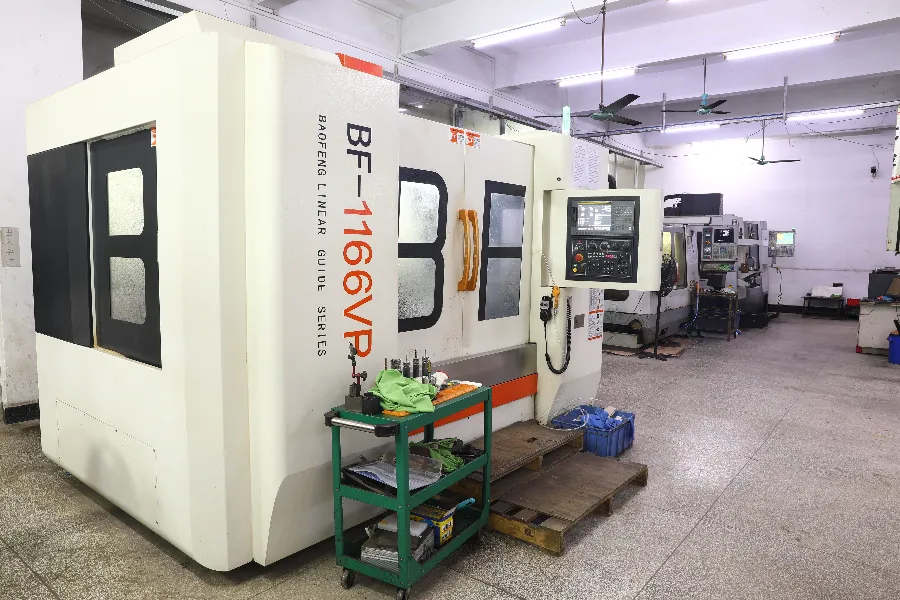
| 1. In-house tooling | CNC mold development capacity, mold iteration lead time, tooling cost range | Factories that outsource tooling add 2–3 weeks to every custom blade and cannot iterate quickly on a fit issue |
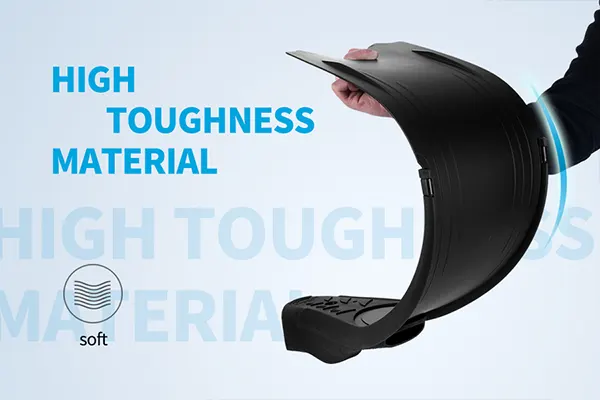
| 2. Material supply chain | PP, TPR, Silikon, natural rubber sources; material spec sheets; batch traceability | Material consistency drives color match, Flexibilität, and warranty exposure across production runs |
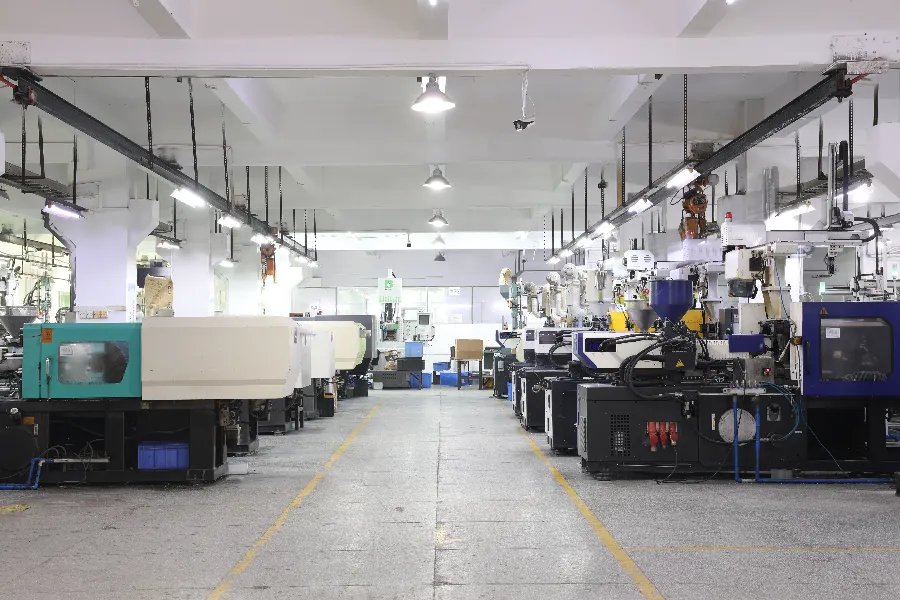
| 3. Production scale | Number of injection molding machines, Produktionslinien, monthly output capacity | Eine Fabrik mit 10 machines cannot absorb a 20,000-pair reorder in season; a factory with 65 can |
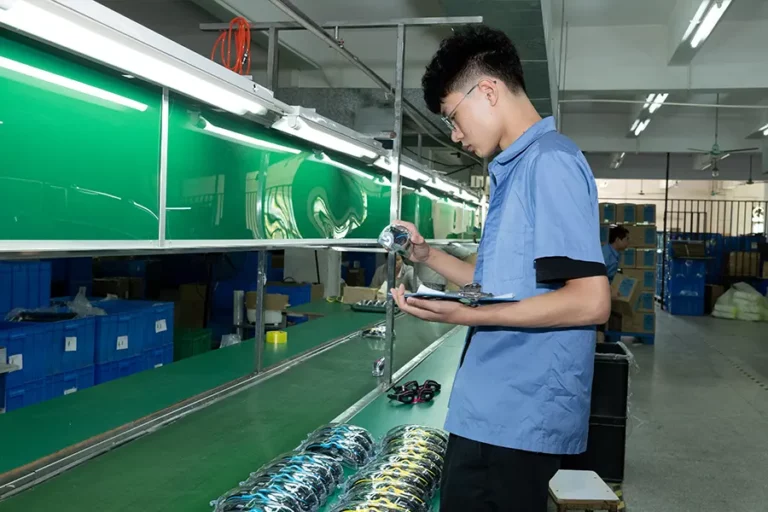
| 4. QC protocol | IQC/IPQC/FQC/OQC four-stage inspection, AQL sampling level, pull test and flex test protocol | A supplier without a written QC protocol is a supplier who will ship you a bad batch and argue about it later |
| 5. Certification stack | ISO 9001:2015, BSCI, CE, FDA, OEKO-TEX-Standard 100 — with certificate numbers and issuing bodies | A consolidated stack covers both EU and US markets and removes per-SKU re-testing cost |
| 6. Adjacent category capability | Does the same factory produce masks, Schnorchel, Brille, Kappen? Can they assemble an MSF set? | A single supplier for a full water sports program cuts inbound logistics and simplifies private label coordination |
| 7. OEM track record | Named brand references, NDA workflow, IP protection protocol, factory security | A factory that has served an international brand has already survived a corporate audit; you inherit that diligence |
Dimension 1 is the one most often faked. A trading company will claim „in-house tooling“ but cannot show you a CNC machine or name the mold engineer. Ask for a factory video walkthrough specifically of the tooling workshop, not the assembly line. If the supplier hesitates, they are a trading company. Unser custom manufacturing capability page shows what a real in-house tooling operation looks like.
How Do You Verify a Manufacturer’s Claims Before Placing a First Order?
Verification is a four-step workflow that takes two to three weeks and costs a few hundred dollars in sample fees and courier charges. Skipping it to save two weeks is how a buyer ends up with a stranded mold and a season of dead inventory.
Schritt 1 — DFM test. Send the supplier a custom blade design or a modified foot pocket geometry. A serious factory returns DFM (Design für die Fertigung) feedback within 24 Zu 48 Std., flagging blade thickness that will not fill, a foot pocket that will not release from the mold, or a strap anchor point that will fail a pull test. A supplier who quotes without DFM feedback is quoting blind.
Schritt 2 — Physical stock sample. Request a stock sample of an existing snorkeling fin model. Standard lead time is 2 Zu 7 Tage. Any supplier who cannot send a physical sample within a week is not carrying stock — which means they are either a trading company or a factory running at capacity that will not prioritize your reorder.
Schritt 3 — Certificate trace. For every certification claimed, request the certificate number and the issuing body. Cross-check with the issuer’s online registry: ISO certificates are traceable through the accreditation body, BSCI audits through the amfori platform, OEKO-TEX through the official label check. A photocopy without a traceable issuer is not compliance.
Schritt 4 — Reference check. Ask for two named brand references and one named retail chain reference. Call them. The questions that matter: Did the supplier hit the quoted lead time? Was the second-season reorder consistent with the first? How did they handle a defect claim? A supplier who refuses to provide references, or provides only un-named „a major European brand,“ is hiding something.
What Does the Sample and Approval Workflow Look Like?
A well-run snorkeling fins program has four named checkpoints between kickoff and first shipment. Each checkpoint produces a written sign-off that both parties keep on file. If a supplier cannot describe these four checkpoints in their own words, they have not run a structured OEM program before.
Checkpoint 1 — DFM review (day 1–2). You send the design; the factory returns manufacturing feedback within 24 Zu 48 Std.. Output: a written DFM report flagging any geometry that will not mold, any wall thickness that will sink, any material choice that will fail a flex test.
Checkpoint 2 — Prototype (day 15–30). The factory cuts a soft mold or modifies an existing mold and produces 3 Zu 10 prototype units. Output: physical prototypes for fit, flex, and visual review. This is where you catch a foot pocket that pinches the instep or a blade that is too stiff for the target kick cycle.
Checkpoint 3 — Golden sample (day 30–45). After prototype approval, the factory produces a „goldene Probe“ — the reference unit that defines the approved spec for mass production. Output: a signed golden sample retained by both parties. Any unit that deviates from the golden sample in mass production is a defect.
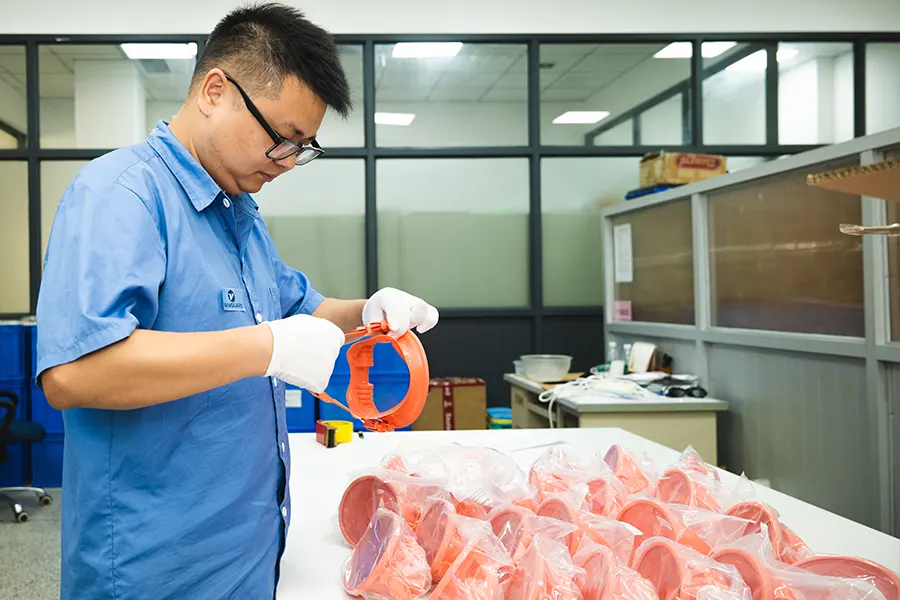
Checkpoint 4 — Pre-shipment inspection (day 55–60). Before the container is loaded, a QC inspector (yours, the factory’s, or a third party such as SGS or Bureau Veritas) runs an AQL 2.5 sampling inspection. Output: a written PSI (Pre-Shipment Inspection) report with pass/fail on each defect category.
The full first-order timeline is therefore 60 Zu 90 days from kickoff to vessel. Repeat orders compress to around 30 Tage weil der Schimmel, material spec, and golden sample are already locked. Unser OEM vs ODM snorkeling set guide covers how the two paths differ at each checkpoint.
How Should a Retail Chain Structure MOQ, Tooling, and Private Label?
The commercial terms are where a buyer’s leverage shows up. Three numbers matter: Mindestbestellmenge, tooling cost, and private label scope.
Mindestbestellmenge. The industry-standard MOQ for snorkeling fins from a Chinese manufacturer is 300 pieces per color per size run. A three-color, four-size first order therefore totals 3,600 Stücke. Some suppliers will drop to 200 pcs per color for stock-color programs; anything below that usually signals the factory is running your order through a trading company rather than producing it. Vanguard applies the same 300 pcs/color structure across masks, Brille, und Flossen, which means an MSF set can be consolidated under one MOQ negotiation.
Tooling. If you are using the factory’s existing mold, there is no tooling cost. If you need a custom blade shape, a proprietary foot pocket, or a private label logo molded into the blade, tooling runs from USD 3,000 to USD 12,000 je nach Komplexität, and takes 25 Zu 45 Tage. Negotiate tooling amortization: a serious supplier will spread the tooling cost across the first 10,000 Zu 20,000 units rather than charging it upfront, which improves your cash flow on a first season.
Private label scope. Private label is not binary. The three common tiers are: (A) logo-only — your brand printed or molded on an existing fin, lowest cost, fastest to market; (b) color-custom — your Pantone colors on an existing blade geometry, mid-tier; (c) full-custom — proprietary blade shape, custom foot pocket, custom strap hardware, your mold, höchste Kosten, longest lead time. A retail chain testing a new water sports line usually starts at tier (A) oder (b) and graduates to tier (c) in season two or three.
For a deeper dive on the commercial side of fin sourcing, including how to score suppliers on quality control and how to structure a first order, see how to choose diving fins for wholesale orders. Unser snorkel fins buying guide covers the sub-type and specification side of the same decision.
What Are the Red Flags That Should Disqualify a Supplier?
Five red flags are strong enough to walk away from a supplier, even if the price is attractive:
- No DFM feedback within 48 Std.. A factory that cannot review a design in two days does not have an engineering team on staff.
- Vague certification copies. A certificate without a number, an issuing body, or a traceable registry entry is a photocopy, not compliance.
- Cannot produce a physical stock sample within 7 Tage. Either they are a trading company, or their stock program is not real.
- Quote arrives without a material spec sheet. A price without a material spec is a price for a fin you cannot verify. Ask for PP grade, TPR shore hardness, silicone food-grade certification, and strap hardware material.
- Refuses named references. „We serve a major European brand“ is not a reference. A named brand with a named contact who will take your call is a reference.
Where Does Vanguard Fit in a Retail Chain’s Supplier Shortlist?
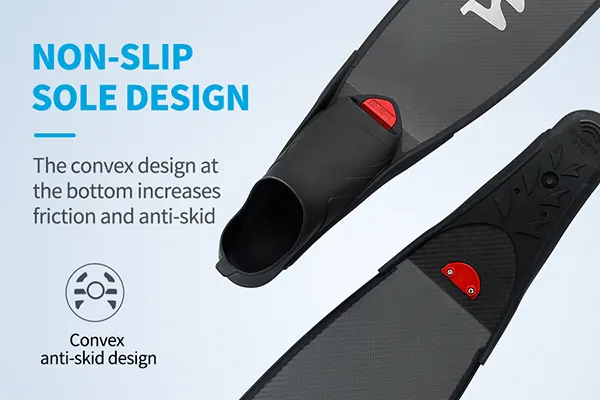
Vanguard Swimming is a Guangzhou-based manufacturer of swimming, Schnorcheln, and diving equipment with three decades of export experience and a 100 percent in-house factory running four production lines and 65 Spritzgießmaschinen. The facility produces snorkeling fins, scuba-style open-heel fins, Freitauchflossen, Tauchmasken, Schnorchel, Schwimmbrille, silicone caps, and full-face snorkel masks — which means a retail chain consolidating a full water sports program can do so under one supplier relationship.
Against the seven-dimension scorecard above:
- In-house tooling: CNC mold development runs on-site, which shortens the mold iteration cycle from the 6-to-8-week industry average to 3-to-5 weeks.
- Material supply chain: PP, TPR, Silikon, and natural rubber sourcing is shared across the fin, Maske, and goggle categories, with batch traceability on every production run.
- Production scale: four lines and 65 injection molding machines absorb a 20,000-pair reorder inside a single season.
- QC protocol: four-stage IQC/IPQC/FQC/OQC inspection with AQL 2.5 sampling on every pre-shipment lot.
- Certification stack: ISO 9001:2015, BSCI, CE, FDA, und OEKO-TEX-Standard 100, with certificate numbers and issuing bodies available on request.
- Adjacent category capability: Masken, Schnorchel, Brille, and caps produced in the same facility; MSF set assembly under one PO and one carton spec.
- OEM track record: long-term programs for international brands including SPEEDO, with NDA workflow and factory security protocols that survive a corporate audit. See our case studies for program examples.
You can browse the current snorkeling fins catalog for stock sub-types and colorways, review our company profile for the full capability statement, or reach out through the contact form to start a DFM review on a custom blade design.
Häufig gestellte Fragen
How do I tell a real manufacturer from a trading company when sourcing snorkeling fins?
Three tests. Erste, send a custom blade design and ask for DFM feedback — a real factory returns engineering notes within 48 Std.; a trading company forwards the question and comes back vague. Zweite, ask for a video walkthrough of the tooling workshop specifically, not the assembly line. Dritte, request a physical stock sample within 7 days — a trading company cannot produce one because they do not carry stock. Vanguard runs A 100 percent in-house factory with CNC tooling on-site, which means all three tests pass on the first request.
What MOQ should a retail chain expect for a first snorkeling fins order?
The industry standard is 300 pieces per color per size run. A three-color, four-size first order totals 3,600 Stücke. Some suppliers will drop to 200 pcs per color for stock-color programs, but a custom color or a custom blade geometry usually holds the 300 pcs line. A retail chain testing a new water sports category can start with two sub-types and two colors — 1,200 pieces total — and scale in season two.
How long does it take to launch a private label snorkeling fins program from scratch?
Plan for 90 Zu 120 days from kickoff to first shipment. Week 1 covers DFM review. Weeks 2 Zu 5 cover mold modification and prototype production. Weeks 5 Zu 6 cover golden sample approval, color confirmation, and packaging sign-off. Weeks 6 Zu 14 cover mass production and pre-shipment inspection. Repeat orders compress to about 30 Tage weil der Schimmel, material spec, and golden sample are already locked. Vanguard’s versandfertiges Programm can cut the first-season timeline to 48 hours for stock SKUs, which matters for a chain testing a new planogram slot.
Which certifications should a snorkeling fins manufacturer hold for EU and US retail?
Für die EU: CE-Kennzeichnung, REACH restricted-substance compliance, and a BSCI factory audit if you are selling into a chain. For the US: CPSIA for any fin marketed to children, and California Proposition 65 labeling where applicable. OEKO-TEX-Standard 100 is voluntary but increasingly requested by European chains as a consolidated chemical-safety report. ISO 9001:2015 is the baseline quality management system certification. Vanguard holds all five — see our certification stack for certificate numbers and issuing bodies.
Can a single manufacturer supply both snorkeling fins and scuba fins for a two-category program?
Ja, if the manufacturer runs in-house tooling and shares the same material supply chain across both categories. The two fin types differ in blade length, Steifheit, and strap hardware, but the foot pocket molding process, the silicone or TPR material spec, and the QC test protocol are largely shared. Vanguard produces both categories on the same four production lines with the same ISO 9001:2015 quality system. Unser snorkel fins vs scuba fins comparison covers how a two-category program should be structured on the planogram side.