Personalizzare una maschera subacquea per il tuo marchio non è una decisione unica: è una sequenza di ingegneria, progetto, e scelte di produzione che si uniscono al prodotto finale. Ogni fase del processo incide sui costi, sequenza temporale, qualità, e la tua posizione competitiva.
Questo articolo ti guida attraverso l'intero processo di personalizzazione OEM, dall'invio del progetto iniziale alla prima spedizione della produzione di massa, con tempistiche reali, pietre miliari, e punti decisionali. Usiamo i nostri dati di produzione come riferimento, compreso il feedback del DFM, cicli di sviluppo degli stampi, e punti di controllo della qualità che definiscono il nostro processo.
Il processo OEM in breve
| Fase | Durata | Consegna chiave | La tua azione |
|---|---|---|---|
| 1. Presentazione del progetto | Giorno 1–3 | Disegni tecnici, 3File CAD D, o campioni di riferimento | Invia file di progettazione o campioni fisici |
| 2. Feedback DFM | Giorno 3-5 | Rapporto sulla progettazione per la produzione | Esaminare e approvare le raccomandazioni tecniche |
| 3. Sviluppo di stampi | Giorno 5–35 | Stampo di produzione lavorato a CNC | Aspettare (o richiedere la revisione del progetto dello stampo) |
| 4. Campionamento T1 | Giorno 35–45 | Campioni primo articolo con relazione dimensionale | Esaminare i campioni; approvare o richiedere modifiche |
| 5. Campionamento T2 (se necessario) | Giorno 45–55 | Campioni revisionati | Approvazione finale |
| 6. Conferma pre-produzione | Giorni 55–60 | Campione d'oro firmato da entrambe le parti | Firma il campione d'oro |
| 7. Produzione di massa | Giorno 60–120 | Beni finiti | Organizzare l'ispezione e la spedizione del controllo di qualità |
Fase 1: Presentazione del progetto
Puoi avviare un progetto OEM in tre modi:
- Pacchetto tecnico completo: 3File CAD D (FARE UN PASSO, IGES, o formato SolidWorks) con disegni 2D che specificano le dimensioni, tolleranze, materiale, colore (Pantone), e finitura superficiale. Questo è il percorso più veloce: i nostri ingegneri possono iniziare immediatamente la revisione del DFM.
- Campione di riferimento: Invia un campione fisico di una maschera che desideri replicare o modificare. Il nostro team di ingegneri effettuerà il reverse engineering delle dimensioni, creare file CAD, e proporre modifiche per la producibilità.
- Schizzo concettuale + requisiti: Descrivi il tuo mercato di riferimento, caratteristiche desiderate (per esempio., “Maschera da apnea a basso volume con vetro temperato e facciale in silicone”), e direzione estetica. Il nostro team di progettazione crea i concetti iniziali per la tua revisione.
Fase 2: Feedback DFM (24–48 ore)
Il nostro team di ingegneri esamina il tuo progetto rispetto ai vincoli di produzione. Il rapporto DFM copre:
| Categoria DFM | Cosa controlliamo |
|---|---|
| Spessore della parete | Spessore della parete uniforme per un flusso di materiale uniforme; minimo 1,5 mm per frame PC, 2.0mm per gonne in silicone |
| Angoli di sformo | Sformo minimo di 1° su tutte le superfici stampate per un'espulsione pulita |
| Sottosquadri | Identificare i sottosquadri che richiedono azioni laterali o meccanismi speciali dello stampo |
| Fattibilità della co-iniezione | Verificare che la geometria del telaio supporti la co-iniezione di silicone (progettazione del canale, aree di trattamento superficiale) |
| Linea di divisione | Ottimizza la posizione della linea di giunzione per ridurre al minimo le linee di bava visibili sul prodotto finito |
| Posizione del cancello | Consigliare la posizione del cancello per un flusso di materiale ottimale e segni minimi di testimoni |
| Accumulo di tolleranze | Verificare le tolleranze di assemblaggio tra i telai, gonna, lente, e le alette della cinghia sono realizzabili |
| Raccomandazione sui materiali | Suggerisci qualità di materiali ottimali in base ai requisiti prestazionali e al costo target |
Il rapporto DFM include disegni contrassegnati che evidenziano eventuali aree che necessitano di modifiche. La maggior parte dei progetti richiede 1-2 cicli di revisione DFM prima che il progetto sia pronto per la produzione.
Fase 3: Sviluppo di stampi (15–30 giorni)
Una volta approvato il DFM, inizia la realizzazione dello stampo. Il nostro centro interno di sviluppo stampi CNC gestisce l'intero processo:
Progettazione di stampi (3–5 giorni)
Gli ingegneri dello stampo creano il pacchetto di analisi del flusso dello stampo e di progettazione dello stampo. Ciò include: disposizione delle cavità (singola o multi-cavità), progettazione del canale di raffreddamento, sistema di espulsione, meccanismi di azione secondaria (se necessario), e dispositivi di posizionamento del telaio per stampi a co-iniezione.
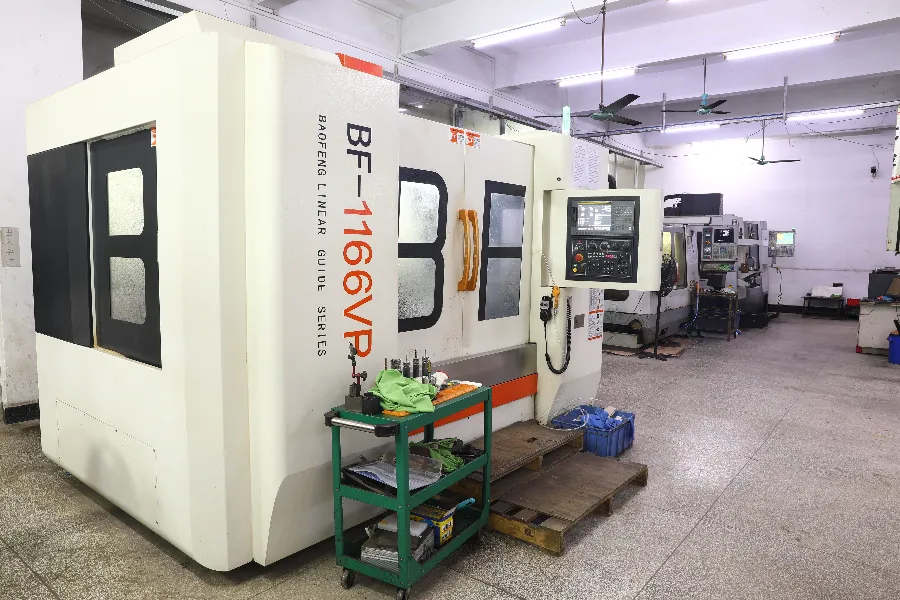
Lavorazione CNC (7–15 giorni)
Il blocco dello stampo è lavorato in acciaio temprato (Grado P20 o H13). Fresatura CNC, Elettroerosione (lavorazione tramite elettroerosione), e il taglio del filo creano la geometria della cavità con una tolleranza di ±0,02 mm. Le cavità delle lenti richiedono una lucidatura di livello ottico.
Assemblaggio dello stampo & Test (3–5 giorni)
Lo stampo completato è assemblato, montato, e testato sulla macchina per lo stampaggio a iniezione. Scatti iniziali (colpi brevi) verificare il flusso del materiale, modello di riempimento, e dimensioni della parte. Le regolazioni vengono apportate finché lo stampo non produce parti conformi alle specifiche.
Vantaggio interno
Avere internamente lo sviluppo di stampi CNC significa che controlliamo la sequenza temporale. I reparti stampi esterni aggiungono costi di comunicazione e ritardi nelle code. Il nostro tipico tempo di consegna dello stampo è di 15–25 giorni per una maschera standard a lente singola; 20–30 giorni per uno stampo a coiniezione con sistema di posizionamento del telaio.
Fase 4-5: Campionamento & Approvazione
Campioni T1 (Primi articoli)
I primi campioni del nuovo stampo vengono misurati e ispezionati rispetto alle specifiche di progettazione originali. Forniamo:
- Rapporto dimensionale (dimensioni chiave misurate con CMM o calibri)
- Rapporto di ispezione visiva (qualità della superficie, flash, segni di affondamento, colpi brevi)
- Prova funzionale (adattamento dell'assemblaggio, flessibilità della gonna, chiarezza della lente)
- Certificati dei materiali (lotto di resina, lotto di silicone, prova di durezza)
Riceverai 3-5 campioni con il rapporto di ispezione completo. Esamina i campioni in base alle tue esigenze e fornisci feedback. Richieste di aggiustamento comuni: morbidezza della gonna (regolare la durezza del silicone ±5 Shore A), posizione dell'aletta della cinghia (±2 mm), corrispondenza dei colori (Verifica Pantone).
Campioni T2 (Revisione)
Se i campioni T1 richiedono modifiche, lo stampo viene modificato e vengono prodotti i campioni T2. La maggior parte dei progetti viene completata in 1–2 cicli di campionamento. Potrebbero essere necessari progetti complessi con requisiti estetici rigorosi 3 giri.
Fase 6: Campione d'oro & Pre-produzione
Una volta approvati i campioni, entrambe le parti firmano a “campione d'oro” — il riferimento fisico che definisce la qualità accettabile per la produzione di massa. Il campione dorato viene sigillato e conservato presso la linea di produzione. Ogni unità prodotta viene confrontata con essa durante il controllo qualità.
Fase 7: Produzione di massa (30–60 giorni)
Programma di produzione
| Fare un passo | Durata | Porta QC |
|---|---|---|
| Approvvigionamento materiale (Resina PC, LSR, vetro temperato, cinghie) | 5–10 giorni | QI: ispezione del materiale in entrata |
| Stampaggio ad iniezione (cornici, gonne) | 5–15 giorni | IPQC: controlli dimensionali in-process |
| Taglio e tempera delle lenti | 3–5 giorni | QI: qualità del bordo della lente, chiarezza ottica |
| Assemblea (telaio + gonna + lente + cinghia) | 5–10 giorni | IPQC: adattamento dell'assemblaggio, prova di tenuta |
| Ispezione finale | 3–5 giorni | FQC: 100% visivo + Test funzionale AQL |
| Imballaggio ed etichettatura | 3–5 giorni | OCC: audit pre-imbarco |
Controllo qualità: Sistema a quattro porte
| Cancello | Nome | Che succede |
|---|---|---|
| 1 | QI (Controllo qualità in entrata) | Materie prime controllate: durezza del lotto di silicone, qualità del bordo della lente in vetro, Verifica del grado della resina PC |
| 2 | IPQC (Controllo di qualità durante il processo) | Controlli in linea durante lo stampaggio e l'assemblaggio: forza di adesione della gonna, allineamento dell'obiettivo, funzione della valvola snorkel |
| 3 | FQC (Controllo qualità finale) | 100% ispezione o campionamento AQL dopo l'assemblaggio: prova di tenuta all'aria, test di durata antiappannamento, ispezione visiva |
| 4 | OCC (Controllo qualità in uscita) | Audit pre-imbarco: integrità dell'imballaggio, precisione dell'etichettatura, verifica della quantità, test funzionali casuali |
MOQ, Prezzi & Termini di pagamento
| Articolo | Termini standard |
|---|---|
| MOQ (progettazione personalizzata) | 300 pezzi per colore |
| MOQ (progettazione delle scorte, marchio personalizzato) | 50–100 pz |
| Costo dello stampo | $1,500–$ 5.000 per componente (a seconda della complessità) |
| Costo del campione | $100–$500 (rimborsato contro il primo ordine superiore a MOQ) |
| Tempi di produzione | 30–60 giorni dall'approvazione del campione |
| Termini di pagamento | 30% depositare, 70% prima della spedizione (standard); negoziabile per ordini ripetuti |
Domande frequenti
Posso visitare la fabbrica durante la produzione?
SÌ. Diamo il benvenuto a visite in fabbrica per prove di stampo, approvazione del campione, e ispezione pre-imbarco. Pianifica almeno 2 settimane in anticipo in modo da poter organizzare il tour della linea di produzione e la dimostrazione del controllo qualità.
Cosa succede se ho bisogno di modificare il design dopo l'inizio della produzione??
Modifiche minori (cambiamento di colore, regolazione della cinghia) di solito possono essere soddisfatti senza interrompere la produzione. Modifiche importanti (geometria del telaio, dimensione della lente) richiedono modifiche allo stampo e un nuovo ciclo di campionamento. Quanto prima finalizzi il progetto, quanto più il progetto è economicamente vantaggioso.
Fornisci supporto continuo dopo il primo ordine?
SÌ. Manteniamo il vostro stampo nel nostro magazzino. I riordini utilizzano lo stesso stampo collaudato: non è necessario ripetere il campionamento a meno che non si richiedano modifiche. Il tempo di riordino è in genere di circa 30 giorni (più velocemente del primo ordine poiché lo stampo è collaudato e i parametri di processo sono impostati).