لا يزال بإمكان الزعنفة التي تجتاز الفحص البصري على رصيف التحميل أن تفشل العميل بحلول الأسبوع الثالث. يصاب جذر النصل بتشقق شعري بعد موسم من الشمس. يتم تثبيت الحزام في العطلة الثانية التي يتم استخدامه فيها. لقد امتد جيب القدم الذي بدا وكأنه في صالة العرض بشكل فضفاض. لا تظهر أي من هذه الإخفاقات في لحظة القبول، فهي عيوب كامنة مرفقة بالعد التنازلي, والطريقة الوحيدة للقبض عليها قبل طباعة اسم علامتك التجارية على العبوة هي اختبار جودة زعانف الغطس المصممة وفقًا للطرق التي تموت بها الزعانف فعليًا.
لمديري ضمان الجودة وأصحاب العلامات التجارية الذين يقومون بمراجعة الموردين, فئة الزعانف محرجة: يبدو الأمر بسيطًا - قطعة مصبوبة من البوليمر مع حزام - والتي تتطلب بروتوكولات فحص دقيقة, ويفشل في الميدان بسبب الإرهاق المادي بدلاً من خطأ التجميع, الذي يدعو إلى اختبارات خاطئة. وفي الوقت نفسه، تركز شكاوى المشترين على الآليات الثلاث التي لا تلتقطها البوابة المرئية أبدًا: التعب المرن للشفرة, متانة الحزام, وتدهور الأشعة فوق البنفسجية.
يحدد هذا الدليل بروتوكول اختبار عملي لأنماط الفشل الثلاثة هذه, يقوم بتعيينها على نظام الجودة الخاص بالمورد حتى تتمكن من تدقيق ما يقومون بتشغيله بالفعل, ويوضح الوثائق التي يجب أن يكون بمقدور مصنع الزعانف المختص تسليمها إليك دون أن يُطلب منك ذلك مرتين.
الوجبات الرئيسية
- تفشل الزعانف بسبب التعب وتدهور الصورة, ليس خطأ في التجميع - بروتوكول الجودة المنسوخ من الأجهزة الإلكترونية أو المنتجات البرمجية سوف يفتقد أوضاع الفشل الثلاثة التي تولد معظم شكاوى الزعانف.
- يجب أن يكون اختبار بليد المرن دوريًا, ليست ثابتة: الانحناء المتكرر في الجذر حتى يظهر التشقق يخبرك بالحياة; لا يخبرك فحص الانحناء والملمس الفردي بأي شيء لا يستطيع المنافس تزييفه.
- تستحق أنظمة الحزام اختبار سحب مدمرًا في كل من جسم الحزام ونقطة التثبيت, لأن المرفق هو المكان الذي تتجمع فيه حالات الفشل.
- المقاومة للأشعة فوق البنفسجية هي قرار صياغة مركب يظهر بعد أشهر من اجتياز فحص البضائع - الإصرار على المركبات المثبتة للأشعة فوق البنفسجية كتابيًا والتحقق من التقادم المتسارع للعينات المحتجزة.
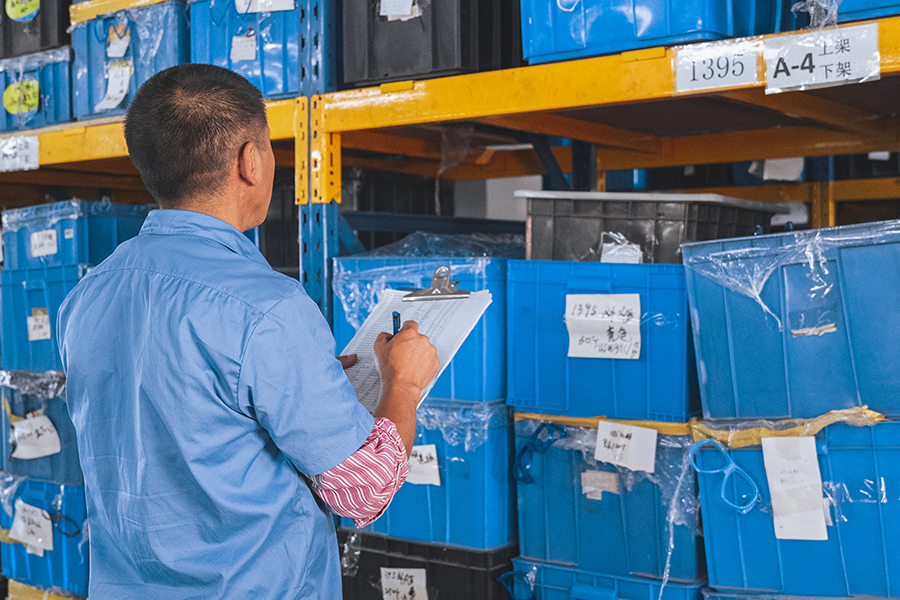
- يدير نظام الجودة لمورد الزعانف المختص نفس القوس المكون من خمس مراحل - فحص المواد الواردة من خلال اختبار الأداء المعملي قبل التعبئة - ويمكنه عرض سجلات المختبر, ليس فقط الشهادات.
لماذا تفشل الزعانف بشكل مختلف عن معظم معدات الرياضات المائية
ابدأ من دفتر الأستاذ الفشل. أقنعة الضباب والتسرب; الغطس يبتلع الماء; تتشقق الزعانف, تمتد, والمفاجئة. الفرق هو أن الزعنفة عبارة عن زنبرك: كل ركلة تحمل النصل من خلال جذره, يفرغه, ويحملها مرة أخرى - آلاف الدورات في كل عطلة, مدفوعة من خلال البوليمر الذي أشعة الشمس, ملح, والحرارة تتدهور بهدوء. عمر خدمة الزعنفة هو عمر التعب, ويعيش التعب تحت عتبة أي شيء يمكنك رؤيته على طاولة السلع التامة الصنع.
وهذا له نتيجة مباشرة لكيفية الشراء. الشيكات الثابتة – البعد, وزن, مظهر, انحناء واحد – ضروري ولكنه قريب من عدم القيمة كدليل على الجودة, لأن كل زعنفة تمر بها في اليوم الأول. ما يتنبأ بالفشل الميداني هو السلوك في ظل التكرار والشيخوخة, وهذا هو سبب أهمية الاختبارات الثلاثة (المرن الدوري, حزام السحب إلى الفشل, الشيخوخة فوق البنفسجية) وتستغرق جميعها أيامًا وليس ثوانٍ ويجب تشغيلها على العينات, وليس على الشحنة.
اختبار بليد فليكس: دورات, لا ينحني
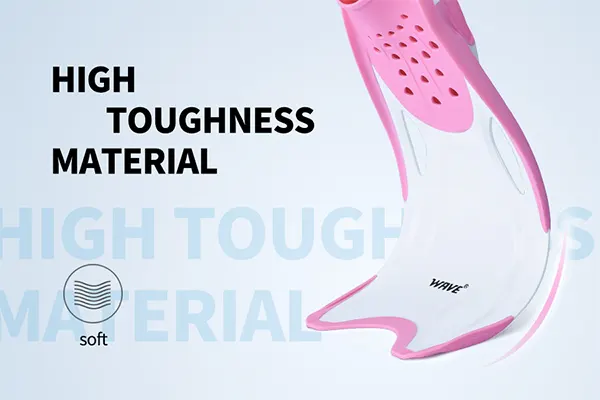
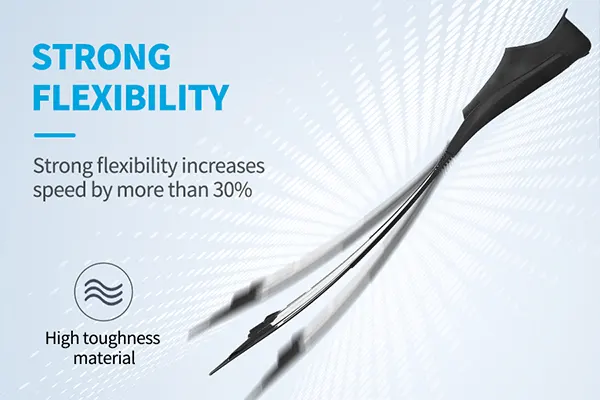
تتمثل مهمة الشفرة في تخزين الطاقة وإعادتها أثناء الركل, مما يجعل الانتقال من الشفرة إلى الجذر - حيث يلتقي الجيب الصلب بالشفرة المرنة - أعلى نقطة ضغط في المنتج. اختبار المرن الجيد يستجوب ثلاثة أشياء:
- نمط مرن تحت الحمل. يجب أن تنحني الشفرة على طول الخط المفصلي المصمم لها, لا شبك عند نقطة تعسفية. يركز العقد على الضغط ويحدد موقع الكراك مسبقًا.
- التحمل الدوري. الثني المتكرر – عن طريق تثبيت الآلة للبرامج الحقيقية, عن طريق دورات يدوية منضبطة لفحص العينات - حتى أول تلف مرئي. يعد التشقق أو التبييض في الجذر بعد ركوب الدراجات المتواضعة مشكلة مركبة أو هندسية, ولن يتحسن مع تعلم الإنتاج.
- استعادة. لقد فقدت الشفرة المتعبة التي لا تعود إلى شكلها المرونة التي جعلتها زعنفة. المجموعة الدائمة بعد ركوب الدراجات قابلة للقياس ويجب تحديدها.
ما يمكن للمشتري المعقول أن يطلبه بدون مختبر خاص به: نتيجة دورة مرنة موثقة للمركب الدقيق وهندسة الشفرة المطلوبة, يتم تشغيلها على عينات الإنتاج بدلاً من النموذج الأولي الذهبي. المركب وراء السلوك المرن - صلابة الشاطئ, عائلة المطاط الصناعي, تحميل الحشو - مغطى بالقطعة المصاحبة لدينا مواد زعانف الغوص: ممحاة, نظام الحماية المؤقت, السيليكون, والمركبات, ومن الأفضل قراءة الوثيقتين معًا: تشرح المواد سبب تصرف الشفرة على هذا النحو; يثبت الاختبار أن الدفعة تتصرف بهذه الطريقة بالفعل.
متانة الحزام: نقطة التعلق تحكي الحقيقة
تفشل الأشرطة بطريقتين مختلفتين لسببين جذريين مختلفين. يتدهور جسم الحزام — وتفقد المرونة عملية التعافي, يتمزق السيليكون عند فتحات الضبط - بينما يتم سحب الجهاز المرفق من الشفرة أو القص عند دبوسه. أنماط الشكوى الميدانية تتجه باستمرار نحو المرفق, وهي مشكلة صب وإدراج التصميم, ليس نسيجًا.
تبدو خطة اختبار الحزام الذي يمكن الدفاع عنه هكذا:
| امتحان | طريقة | ما يمسك | منطق القبول |
|---|---|---|---|
| السحب إلى الفشل | التوتر المدمر على الحزام والتعلق بنقطة الكسر | أجهزة تحت المواصفات, مخزون حزام رفيع, صب إدراج ضعيف | يجب أن يزيل حمل الفشل مجموعة محددة من قوى الركل الواقعية |
| تحميل حزام دوري | تكرار دورات التشغيل والإيقاف وإطلاق التوتر | فقدان الانتعاش المرن, انزلاق التعديل | الاحتفاظ والملاءمة ضمن التسامح بعد عدد الدورات المحدد |
| التعرض للملح والشمس على قطع الغيار | مقارنة العينة العمرية مع الضوابط غير القديمة | الطباشير, تصلب, المفاجئة هشة من المطاط الصناعي المتدهورة | لا تكسير السطح; الاحتفاظ بالاستطالة فوق الأرضية المتفق عليها |
يعد اختبار السحب أحد المعدات القياسية في أحد مصانع الرياضات المائية الكبرى - أجهزة الشد التي تنتج أرقامًا, وليس آراء. إذا لم يتمكن مختبر المورد من إظهار سجلات اختبار السحب المرتبطة بدفعات الإنتاج, لم يتم قياس الحزام الموجود على زعنفتك فعليًا.
مقاومة الأشعة فوق البنفسجية: وضع الفشل مع تأخير
لا شيء يدمر الزعنفة بشكل أسرع من موسم واحد. يشق الضوء فوق البنفسجي سلاسل البوليمر على السطح; الشفرة التي انحنت بشكل جميل في طباشير غرفة العينة, جنون, ثم تتشقق على طول خط الجذر بعد ثمانية أسابيع من موسم المنتجع. لأن الضرر هو الإفراج عن الوقت, يمكن للشحنة أن تمر بكل بوابة تمر عليها ولا تزال تفشل عميلك.
نقطة التحكم هي المنبع للاختبار بالكامل: صياغة مركبة. مركبات مثبتة بالأشعة فوق البنفسجية وتحميل أسود الكربون (حيث يسمح اللون) هي الدفاعات المثبتة, وهي قابلة للتحديد - اكتب درجة تثبيت الأشعة فوق البنفسجية في اتفاقية المواد في مرحلة أمر الشراء, بنفس الطريقة التي تكتب بها درجة مثبطات اللهب في مواصفات السلع الخفيفة. ثم تحقق, بدلا من الثقة: تسريع الشيخوخة على العينات المحتجزة من كل عملية إنتاج, مقارنة مع الضوابط غير القديمة لتغيير اللون, جنون السطح, و- الأكثر إفادة - الاحتفاظ بالاستطالة قبل الاستراحة. النصل الذي فقد امتداده قبل أن يفقد مظهره هو النصل الذي على وشك الفشل في الميدان.
نفس منطق تحديد مقاومة التدهور على مستوى المركب, والتحقق على مستوى الدفعة, يحكم الطلاءات المضادة للضباب على الأقنعة ومقاومة الكلور في الملابس; إذا قمت بالتدقيق عبر برنامج الرياضات المائية المختلطة, بروتوكول جانب القناع الخاص بنا على اختبار جودة قناع الغوص يشارك الإطار.
رسم خرائط الاختبارات على نظام الجودة الخاص بالمورد
لا ينبغي أن تحتاج إلى اختراع نظام موازٍ لمراقبة الجودة داخل شركتك الخاصة; أنت بحاجة إلى التحقق من أن نظام المصنع يلتقط كل وضع فشل في المرحلة الصحيحة. يمس برنامج الزعانف الذي يتم تشغيله من خلال عملية داخلية كاملة نفس نقاط التفتيش الخمس, وكل واحد هو المكان الذي ينتمي إليه اختبار معين:
- فحص المواد الواردة. شهادات مركبة مقابل الدرجة المحددة - بما في ذلك حزمة الأشعة فوق البنفسجية - بالإضافة إلى التحقق على مستوى الدفعة من صلابة Shore وسلوك الشد على عينة من كل دفعة واردة. هذا هو المكان الذي يتم فيه اكتشاف المركب البديل قبل تشكيله.
- فحص القوالب أثناء العملية. فحوصات بصرية وأبعاد أولية لكل إعداد للجهاز, مع الانتباه إلى الخطوط المتماسكة وملء جذر الشفرة، وهي عيوب هندسية تؤدي إلى تشققات التعب.
- التحقق من التجميع. عزم ربط الحزام وفحص السحب على خط التجميع, نظرًا لأن قوالب الإدخال وتجميع الأجهزة تختلف حسب التحول بقدر ما تختلف حسب المورد.
- اختبار الأداء المعملي قبل التعبئة. الاختبارات الرئيسية الثلاثة – ركوب الدراجات المرنة, سحب الحزام, مقارنة العمر - يتم إجراؤها على عينات الإنتاج بتكرار محدد, مع السجلات المرفقة بالدفعة.
- التفتيش قبل الشحن الصادرة. أخذ عينات AQL من البضائع المعبأة النهائية من أجل الصنعة والوظيفة; لاحظ ما لا يغطيه AQL — التحمل والشيخوخة موجودان في سجلات المختبر, ليس في مراجعة الكرتون.
هذا القوس هو فحص المواد الخام من خلال القولبة الدقيقة, تجميع موحد, اختبار معمل الأداء, والتعبئة والتغليف - هي بنية الجودة ISO 9001:2015 ومن المفترض أن يضمن النظام, وتغطية التدقيق الاجتماعي BSCI لا تفعل شيئًا من أجل متانة المنتج; أنت بحاجة إلى كلا النظامين والسجلات المعملية التي تقف خلفهما. يتم تعيين طبقة الشهادة في موقعنا نظرة عامة على شهادات الجودة, ويتم تناول عواقب اختيار الموردين للمختبر المفقود كيفية اختيار الشركة المصنعة لزعانف الغطس.
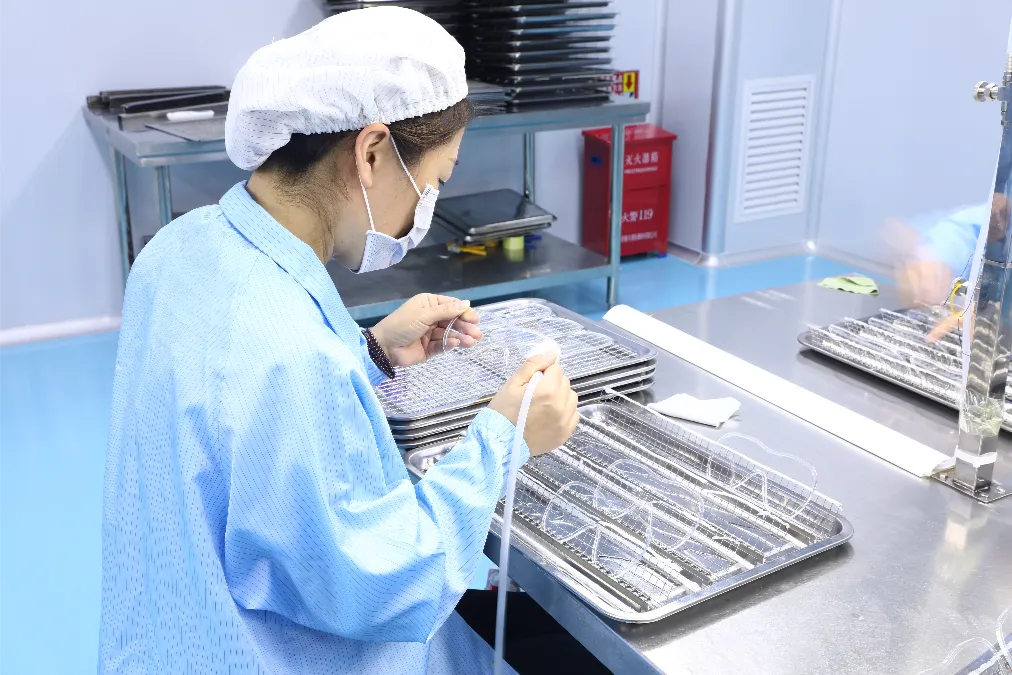
ما هي الوثائق التي يجب طلبها قبل الشحن
يقوم المورد الواثق في برنامج الزعانف الخاص به بتسليم الأدلة دون احتكاك. قم ببناء هذه العناصر الخمسة في أوراق أمر الشراء واحصل على القبول ضدها:
- ورقة مواصفات المواد لكل مكون - شفرة, جيب, حزام, الأجهزة - مع درجة مركبة بما في ذلك مستوى تثبيت الأشعة فوق البنفسجية.
- سجلات التفتيش الواردة مرتبطة بالكميات المركبة التي تستهلكها دفعتك فعليًا.
- تقرير اختبار المختبر تغطية المرن, قيم سحب الحزام, ومقارنة العمر بتكرار أخذ العينات المتفق عليه - FAI في المقالات الأولى, OQC على القطع الصادرة.
- خطة أخذ عينات AQL مع تصنيفات العيوب ومستويات الجودة المتفق عليها, تم تنفيذه ضد أمر الشراء الخاص بك, ليس الافتراضي للمصنع.
- الاحتفاظ بالتزام العينة - العينات المادية المحتفظ بها لكل دفعة, لذلك يمكن إرجاع الشكوى الميدانية إلى الأدلة المختبرة بدلاً من الحجة.
أول عمليتي إنتاج تستحق إضافة واحدة: التحقق الخاص بك من قبل طرف ثالث لنفس الاختبارات, على العينات الخاصة بك, لذا فإن أرقام المصنع وتوقعاتك تصف نفس الواقع المادي. بعد عمليتي تشغيل متوازيتين، تقوم بمراجعة السجلات; قبل ذلك, أنت تثق بهم.

الأسئلة المتداولة
ما هي اختبارات الجودة التي يجب أن يطلبها مشتري زعانف الغطس من المصنع?
ثلاث عائلات, الحد الأدنى: اختبار مرن للشفرة الدورية مع معيار نجاح محدد للتكسير والضبط الدائم, اختبار السحب المدمر للأشرطة في الجسم والملحقات, ومقارنة شيخوخة الأشعة فوق البنفسجية على العينات المحتجزة مقابل الضوابط غير القديمة. طبقة التحقق من المواد الواردة وخطة أخذ عينات البضائع التامة الصنع تحتها, وتتطلب أن تكون نتائج المختبر مرتبطة بدفعات الإنتاج بدلاً من اقتباسها من اختبار النوع العام.
كيف يمكنك اختبار مقاومة الأشعة فوق البنفسجية على الزعانف بدون معمل مواد?
طريقان عمليان. أولاً, اسحبه من المورد: الإصرار على تقارير الشيخوخة المتسارعة للدرجة المركبة الدقيقة, مع أرقام الاستطالة المحتفظ بها, ليس فقط المخططات الملونة. ثانية, قم بتشغيل بروتوكول مراقبة منخفض التقنية بنفسك - احتفظ بالعينات المحتجزة من كل دفعة وقم بتعريض العينات المقترنة لأسوأ بيئة حقيقية لديك (سطح السقف, التعرض الجنوبي, الهواء المالح), مقارنة السلوك المرن مع الضوابط المختومة شهريًا. إنه أبطأ من مقياس الطقس, ولكنه يرتكز على المناخ الفعلي الذي يتم بيع منتجك فيه.
هل أخذ عينات AQL كافٍ لضمان جودة الزعانف?
لا, والتعامل معها على أنها كافية هو الخطأ البروتوكولي الأكثر شيوعًا في هذه الفئة. تم تصميم أخذ عينات AQL للعيوب التي يمكن اكتشافها - المظهر, أبعاد, الصنعة - على مستوى الثقة المعلن. يعد عمر التعب وتدهور الأشعة فوق البنفسجية من الخصائص التي تعتمد على الوقت والتي لا يمكن لأي تدقيق للكرتون ملاحظتها. AQL يحمي الشحنة; برنامج المختبر يحمي الموسم. أنت بحاجة إلى كليهما, مع السجلات المعملية المرفقة بنفس الدفعات التي تم أخذ عينات من فحص AQL فيها.
ما هي العيوب التي يجب أن يكتشفها فحص المادة الأولى في نموذج الزعنفة الجديد?
المقالات الأولى من الأدوات الجديدة هي التي تعلن فيها المشكلات الهندسية عن نفسها: لقطات قصيرة وخطوط متماسكة في جذر الشفرة, خطوط التدفق التي تحدد المنطقة المرنة, أبعاد الجيب مقابل الأخير, إدراج موضع لمثبتات الحزام, والسلوك المركب على أول انثناء دوري للتجويف الجديد. قم بتشغيل بطارية الاختبار الكاملة على عينات FAI — flex, يحذب, الشيخوخة - لأن الإنتاج اللاحق لهذه الأداة يرث كل ما تخفيه الطلقات الأولى. قم بالتوقيع على تقرير FAI قبل إطلاق الإنتاج الضخم, ليس عندما تكون البضاعة معبأة.