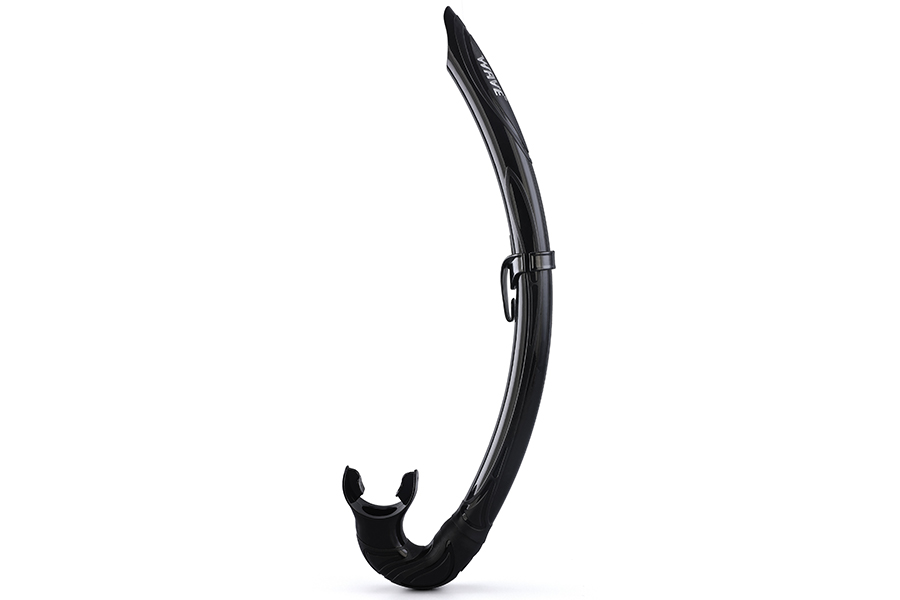
Каждый возврат трубки, Претензия по гарантии и плохой отзыв, в котором упоминается вода, в конечном итоге связаны с одним из трех небольших компонентов: брызговик, который определяет, сколько воды попадет внутрь, поплавковый клапан, который решает, герметично ли закрывается трубка, и продувочный клапан, который решает, что произойдет с водой, прошедшей первые два. Ни один из них не является сложным. Все они находятся там, где «сухой» или «защита от утечек» заявка либо задерживается на полке розничного продавца, либо тихо терпит неудачу после одного сезона.
В этом руководстве каждый клапан и уплотнительный механизм рассматриваются отдельно с точки зрения покупателя — что они должны делать., как это на самом деле отлито и собрано, режим отказа для проверки, и вопросы по статьям, которые отличают хорошо спроектированную трубку от той, которая будет стоить вам прибыли.. Это написано для инженеров-продуктистов., технические покупатели и закупщики OEM, выбирающие трубку продувочного клапана для линейки бренда, не для конечного пловца, выбирающего снаряжение для отдыха.
Ключевые выводы
- Управление водой трубки представляет собой цепочку из трёх компонентов — брызговик., поплавковый клапан с сухим верхом, базовый продувочный клапан — и спецификация, в которой указан только один из них, является неполной.
- Поплавковый клапан с сухим верхом является наиболее ценным, часть с наибольшим риском: это причина того, «сухой» претензия существует, и причина, по которой сухие трубки обеспечивают большую часть доходов, связанных с клапанами, когда они дешевы..
- Производительность продувочного клапана зависит от материала заслонки и допусков седла.; жесткая или плохо сидящая заслонка либо просачивается обратно, либо застревает и блокирует дренаж.
- Защита от утечек — это системное свойство, ни одна особенность: уплотнение работает только при верхнем клапане, чистка, и интерфейс мундштук-губа указаны вместе.
- Оцените поставщика по владению инструментом и разрезанному образцу., не по словарю клапанов в даташите — слова «сухой,» «полусухой» и «защита от утечек» описать формы, не маркетинг.
Какие три типа клапанов имеются в трубке и для чего нужен каждый из них?
Прочтите любое приличное техническое описание трубки, и вы действительно прочтете описание трех различных работ, выполняемых в трех разных местах трубки.. Пополнение словарного запаса – первый шаг, потому что покупатели обычно путают их, а затем выбирают неправильный.
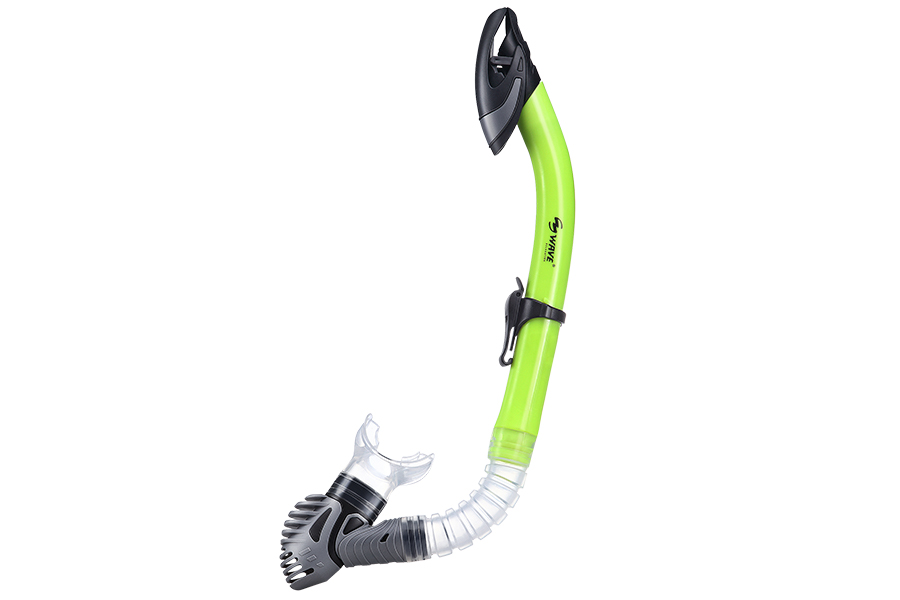
Защита от брызг (полусухой дефлектор). Формованная крышка с вентиляционными отверстиями, расположенная над открытым воздухозаборником.. У него нет подвижного уплотнения. Вся его работа состоит в том, чтобы разбить брызги и волны, попадающие в верхнюю часть трубки, на поверхность, чтобы меньше воды попадало в нее., и позволить тому, что входит, вытечь обратно. Он не прекращает затопление, когда наконечник уходит под воду — в брызговиках ничего не говорится о том, что так должно быть.. В спецификации, его качество зависит от геометрии вентиляционного отверстия и от того, дребезжит ли ограждение или прогибается при транспортировке..
Поплавковый клапан с сухим верхом. Определяющий компонент сухой трубки: плавучий поплавок в корпусе с клеткой на входе, который поднимается, прижимая мягкое уплотнение к отверстию дыхательных путей в момент погружения наконечника, закрытие трубки до того, как вода сможет вылиться в отверстие. Когда пользователь снова появляется, поплавок опускается под действием силы тяжести, и дыхательные пути вновь открываются. Полное механическое прохождение живет в что такое сухая трубка и как она работает; сравнение с покупателем того, когда лучше использовать дефлектор, находится в стадии разработки. сухая и полусухая трубка.
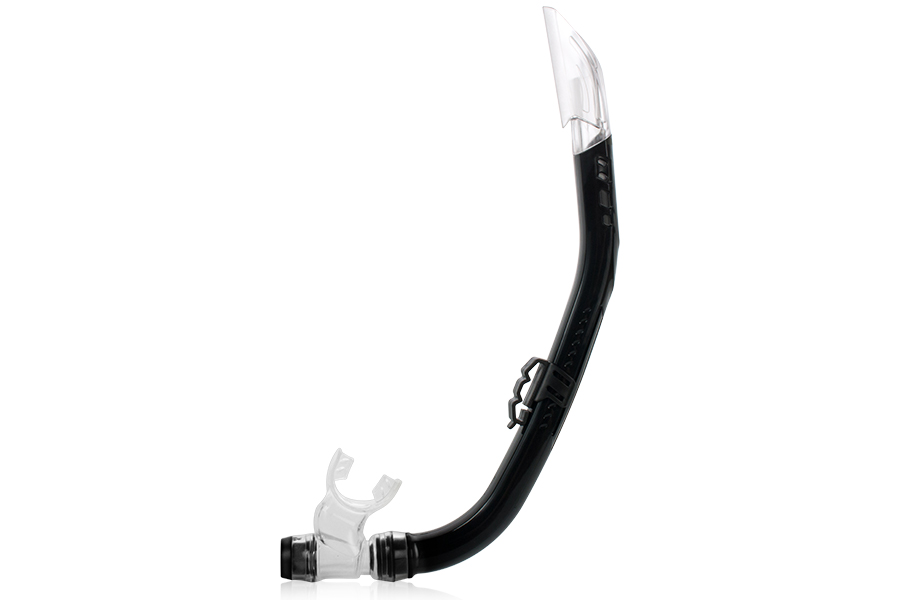
Базовый продувочный клапан. Односторонняя мембрана (обычно силиконовая заслонка на жестком седле), установленная под мундштуком.. Он открывается при легком выдохе, чтобы вытолкнуть собранную воду из трубки., и закрывается, поэтому вода не может быть втянута обратно через то же отверстие. Даже с идеально герметичным сухим верхом, конденсат и небольшое попадание вокруг губ скапливается на дне тюбика; продувочный клапан - это то, что не дает ему превратиться в глоток. Сухая трубка без продувочного клапана — это только половина системы..
Как на самом деле работает продувочный клапан, и как это терпит неудачу?
Продувочный клапан обманчиво прост: гибкая заслонка, жесткое сиденье, к которому оно прилегает, и шарнир или молдинг, который позволяет ему раскачиваться наружу под давлением и опускаться обратно под действием собственной упругости.. Пользователь выдыхает в заполненную трубку.; давление воздуха поднимает заслонку; вода выталкивается и заслонка откидывается назад.
Почти все жалобы, связанные с продувкой, объясняются тремя режимами отказа., и каждый из них можно проверить на образце, прежде чем вы сделаете заказ:
- Набор заслонок / деформация. Если силиконовая заслонка надолго закрепится в форме, в термоусадочной пленке, или в горячей емкости, он больше не лежит на сиденье и не плачет на вдохе. Спросите, какой твердостью по Шору обладает состав заслонки и отлит ли он отдельно от корпуса..
- Допуск сиденья. Заслонка герметизирует только чистую, хорошо обработанное сиденье. Вспышка, знак раковины, или неправильный разрез на жестком сиденье создает канал для воды. Это проблема качества пресс-формы., и именно поэтому два завода, использующие один и тот же чертеж, могут различаться по годам эксплуатации..
- Стик и соль. В соленой воде заслонка может прилипнуть к сиденью по мере высыхания., так что при первом выдохе трубка не очищается — точная жалоба арендованного автопарка, который плохо промывает. Небольшой угол наклона сиденья и шарнир с насечками уменьшают залипание..
Ничего из этого не видно на фотографии. Их видно на разрезанном образце., вот почему серьезный покупатель просит один и смотрит прямо на заслонку и ее гнездо..
Что делает уплотнение поплавкового клапана с сухим верхом вместо утечки?
Поплавковый клапан находится там, где большая часть «сухой» Ценность трубки и большая часть ее риска заключаются в том, что. Две детали решают, получит ли он такое название.:
Материал уплотнения и его сопрягаемая геометрия. Мягкое силиконовое уплотнение, надеваемое на хорошо обработанное седло, закрывается при низком давлении (легкое погружение герметизирует его) и аккуратно освобождается при падении поплавка.. Твёрдый или чрезмерно терпимый тюлень либо плачет, либо плачет. (трубка все равно затоплена) или палочки (трубка не откроется снова, что намного хуже). Правильная неудача в проектировании — это плач..
Клетка вокруг поплавка. Поплавок должен свободно перемещаться на несколько миллиметров и оставаться в этом положении после сезона песка.. Клетка удерживает мусор на пути движения, не забивая поплавок., и выживает, когда его бросают на шлюпочную палубу. Клетка, которая трескается, или это позволяет песку заклинивать поплавок в открытом положении, превращает сухую трубку во влажную по более высокой цене.
Для технического покупателя, контрольный вопрос поставщику не «здесь сухо??» — все говорят да — но «Поплавок и седло представляют собой отдельный сменный узел или залиты в корпус крышки??» Сменное седло означает, что претензия сохраняется при частичном износе.; литое седло означает, что вся крышка становится гарантийным предметом, когда седло изнашивается.
Является «защита от утечек» функция или система?
Маркетинговые удовольствия «защита от утечек» как будто это одна особенность. Это системное свойство, которое проявляется только тогда, когда одновременно сохраняются три интерфейса.:
- Верхний клапан предотвращает попадание в отверстие основной массы поверхностной и погружной воды..
- Продувочный клапан удаляет воду, которая все еще собирается., не позволяя ему вернуться.
- Интерфейс между мундштуком и губами — уплотнение, которое трубка разделяет с человеческим., не с водой — предотвращает попадание в область укуса.
Шноркель, который забивает первые два и доставляет тяжелую нагрузку., плохо мигающий мундштук все равно будет протекать, потому что большая часть реального проникновения происходит вокруг губ, не слишком. Вот почему мы определяем состав мундштука (мягкий, гипоаллергенный силикон, подходящий к разным типам лиц.) и уплотнительный фланец на прикусе в составе того же разговора, что и клапаны. В спецификации, «защита от утечек» имеет смысл только тогда, когда названы все три; Техническое описание, в котором обещают защиту от утечек, но при этом неясно говорят о мундштуке, описывает стремление, не дизайн.
Как покупатель должен проверять и тестировать клапаны шноркеля перед заказом??
Вы можете превратить словарь клапанов в техническом описании в обязательную предварительную проверку с помощью короткого, дешевый протокол. Та же дисциплина, которую мы применяем к запечатыванию масок, изложена в стандарты тестирования качества масок для дайвинга; для клапанов, версия на стороне покупателя:
- Испытание на герметичность сухого верха. Погрузите наконечник и убедитесь, что поплавок закрывает дыхательные пути — попытка всасывания мундштука должна соответствовать герметичной трубке., не черпать воду. Повторите это после двадцатикратного вращения поплавка, чтобы поймать сиденье, которое работает только в новом состоянии..
- Испытание продувочного потока и обратного уплотнения. Ввести в трубку отмеренное количество воды., выдохнуть через мундштук, и подтвердите полный дренаж за один вдох; затем переверните трубку и убедитесь, что заслонка не входит обратно..
- Тест на соленую и сухую прилипаемость. Наводнение, осушать, и дайте клапану высохнуть с остатками соли, затем убедитесь, что следующий выдох очищается. Это воспроизводит реальный провал арендованного автопарка..
- Проверка установки заслонок. Осмотрите заслонку, лежащую ровно на своем месте, под лучами света на наличие постоянной складки или вдавленного канала вспышки..
Поставщик, владеющий оснасткой для клапанов и изготовителем пресс-форм, будет приветствовать этот список.; трейдер, который передает ограничения на аутсорсинг, будет хеджировать их. Этот ответ сам по себе является результатом проверки., и это ядро как найти надежного производителя трубок.
Часто задаваемые вопросы
Все ли сухие трубки имеют продувочный клапан??
Они должны, но не все так делают. Поплавок с сухим верхом удерживает большую часть воды., однако конденсат и попадание губ все равно собираются у основания, и только продувочный клапан очищает это без жесткой струйной очистки. Хорошо продуманная сухая трубка представляет собой двухклапанное изделие.: плавать сверху, очистить снизу. Когда в техническом описании упоминается только сухой верх, относиться к отсутствующей чистке как к реальному пробелу в технических характеристиках, не деталь.
В чем разница между продувочным клапаном и сухим верхом?
Они сидят на противоположных концах и выполняют противоположные работы.. Сухой верх представляет собой поплавковый клапан на впуске, который герметизирует трубку до того, как вода попадет в нее при погружении в воду.; продувочный клапан представляет собой одностороннюю заслонку в основании, которая позволяет воде, уже находящейся внутри, вытекать при выдохе.. Трубка может иметь один, другой, или оба — и «сухая трубка» категория заполнена только при условии, что оба работают как система.
Почему продувочные клапана текут после сезона?
Почти всегда заслонка или ее седло, не концепция. Силиконовая заслонка, которая принимает постоянный набор в горячем транспортировочном контейнере, перестает лежать ровно; жесткое сиденье с выступом или раковиной оставляет канал для стекания воды обратно; соль, которая высыхает между заслонкой и седлом, вызывает залипание, поэтому следующий выдох не очищается. Все три плесень- и вопросы качества материалов, именно поэтому срок службы клапана — это вопрос проверки поставщика, а не вопрос заботы о пользователе..
Стоит ли шноркель продувочного клапана более высоких затрат на арендуемый парк автомобилей??
Для арендных и курортных автопарков, да: продувочный клапан лишает навыков очистки, которых не хватает новичкам, что снижает доходность в середине сессии, а также жалобы на залитую трубку, приводящую к плохим отзывам. Коммерческое предостережение заключается в долговечности: модель автопарка должна иметь продувку со сменным седлом и устойчивую к мусору клетку с сухим верхом., потому что низкая совокупная стоимость владения хорошо оснащенным клапаном превосходит дешевую односезонную деталь, повторяемую в сотнях единиц..